A Whiteout Grips New England
The biting chill of Monday morning was accompanied by a stark white landscape across New England, as a formidable snowstorm continued to assert its dominance over the region. For many, the dream of a quiet start to the week evaporated under the relentless onslaught of winter’s fury, with the promise of two feet of snow becoming a tangible reality for some communities.
The storm, which began its sweep across the northeastern United States, transformed familiar streets and landscapes into a scene of widespread disruption. As residents peered out their windows, the sheer volume of snow presented an immediate challenge, signaling a day defined by shovels, snowplows, and the pervasive quiet that only a deep snowfall can bring.
The Lingering Chill and the Road Ahead
While the most intense phase of the snowfall may have subsided by the time Monday dawned, the wintry conditions were far from over. A lingering chill in the air was coupled with the ongoing reality of more snow flurries and squalls, keeping the possibility of further accumulation alive and well.
Plow crews, the unsung heroes of such events, had been engaged in a tireless battle against the elements throughout the night. Their efforts, however, were a testament to the sheer magnitude of the storm. Despite their round-the-clock work, roads remained a significant challenge, far from being completely clear and posing a persistent obstacle to daily life.
Disruption and Adaptation
The impact of the heavy snowfall was immediately felt across all facets of daily life. The most visible sign of this disruption came with the widespread announcement of school closures. On Tuesday, January 27th, students across many districts found themselves with an unexpected day off, a direct consequence of the nearly 19 inches of snow that had fallen in the preceding 24 hours.
The forecast had warned of more snow overnight, and as is often the case with these major winter systems, the accumulation continued. This sustained snowfall necessitated a prolonged response from municipal services and a period of adjustment for residents.
A City Under Snow Emergency
In response to the escalating conditions, Mayor Wu of Boston declared a Snow Emergency. This declaration, which went into effect on Sunday, January 25th, at 8 a.m., included the implementation of a parking ban. This measure is designed to facilitate the critical work of snow removal by ensuring that streets are as clear as possible for plows and emergency vehicles.
The parking ban underscores the seriousness with which city officials were treating the storm. It is a necessary, albeit inconvenient, step to allow for the efficient clearing of public roadways, a task that becomes exponentially more difficult with parked cars lining the streets.
The End of the Ban, The Beginning of the Dig Out
As the storm’s grip began to loosen, so too did the restrictions. The Snow Emergency and parking ban, a symbol of the city’s mobilization against the snow, were set to conclude on Tuesday, January 26th, at 8 p.m. This marked a turning point, signaling the transition from active storm management to the extensive task of clearing and recovery.
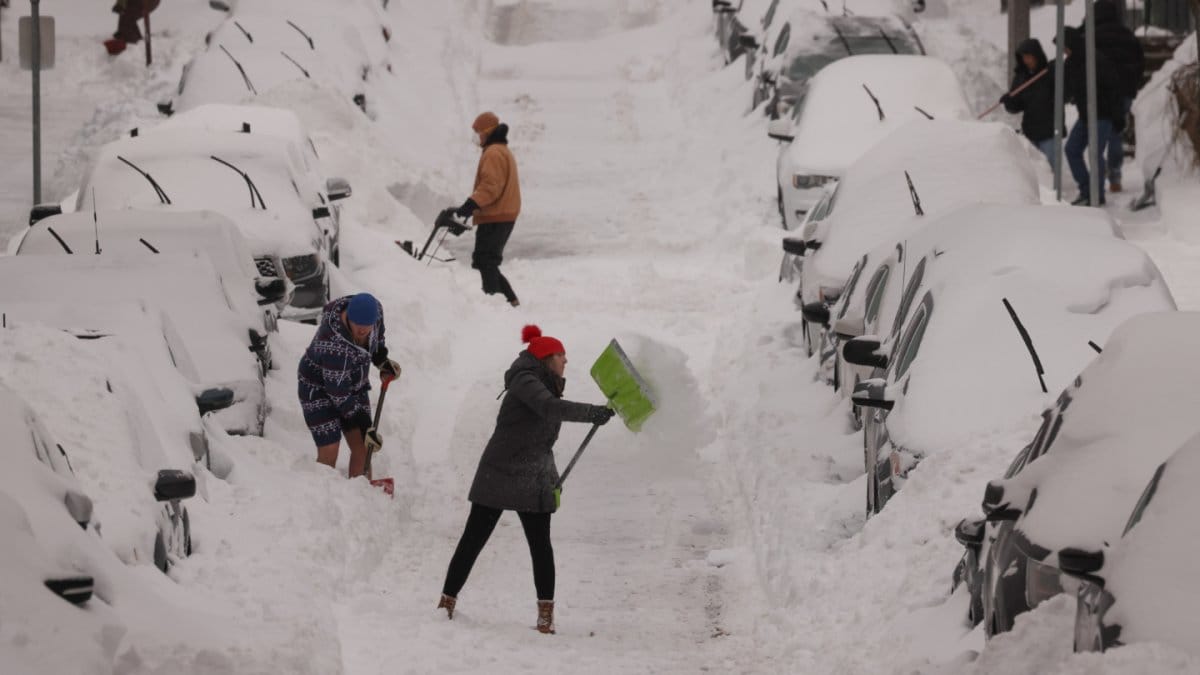
Residents, many of whom had been confined to their homes or navigating treacherous conditions, could begin to reclaim their streets. However, the end of the ban did not mean the end of the challenges. The sheer volume of snow required significant effort from both municipal crews and individual citizens to return to normalcy.
The Human Element of a Winter Storm
Beyond the statistics of snowfall and the logistical challenges, a snowstorm like this highlights the resilience and adaptability of communities. Neighbors often help neighbors, shoveling driveways, checking on the elderly, and sharing resources. These acts of solidarity are the quiet narratives that unfold against the dramatic backdrop of a winter tempest.
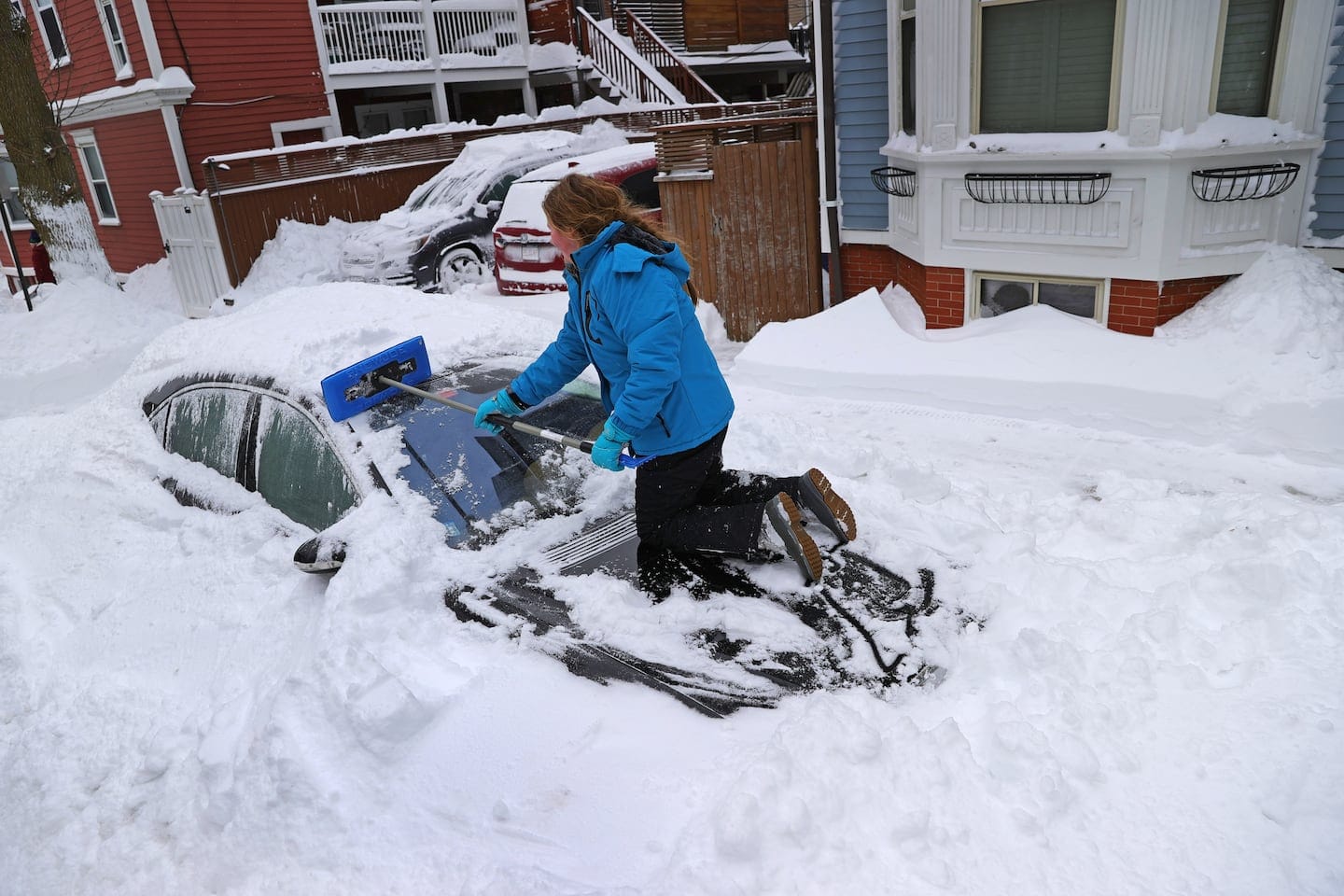
The pictures are invariably striking: cars transformed into snowdrifts, rooftops laden with thick blankets of white, and the stark beauty of a world temporarily reshaped by nature’s power. Children, bundled against the cold, might find joy in the unexpected day off, building snow forts and engaging in snowball fights, a poignant reminder of the simple pleasures that can emerge even amidst disruption.
Looking Towards Spring
As the snow begins to melt and the last shovelfuls are pushed to the curbside, the focus inevitably shifts. Thoughts turn to clearing roads for commerce, restoring routines, and preparing for the eventual return of warmer weather. The deep snow serves as a powerful, albeit temporary, reminder of the forces of nature and the importance of preparedness.
The cycle of winter storms, with their power to disrupt and their capacity to unite, is a recurring theme in the narrative of New England. Each event, while unique in its intensity and specific impact, reinforces the region’s enduring relationship with winter and the collective spirit that helps it weather the storm.