Kaiser Permanente Faces Statewide Healthcare Worker Strike
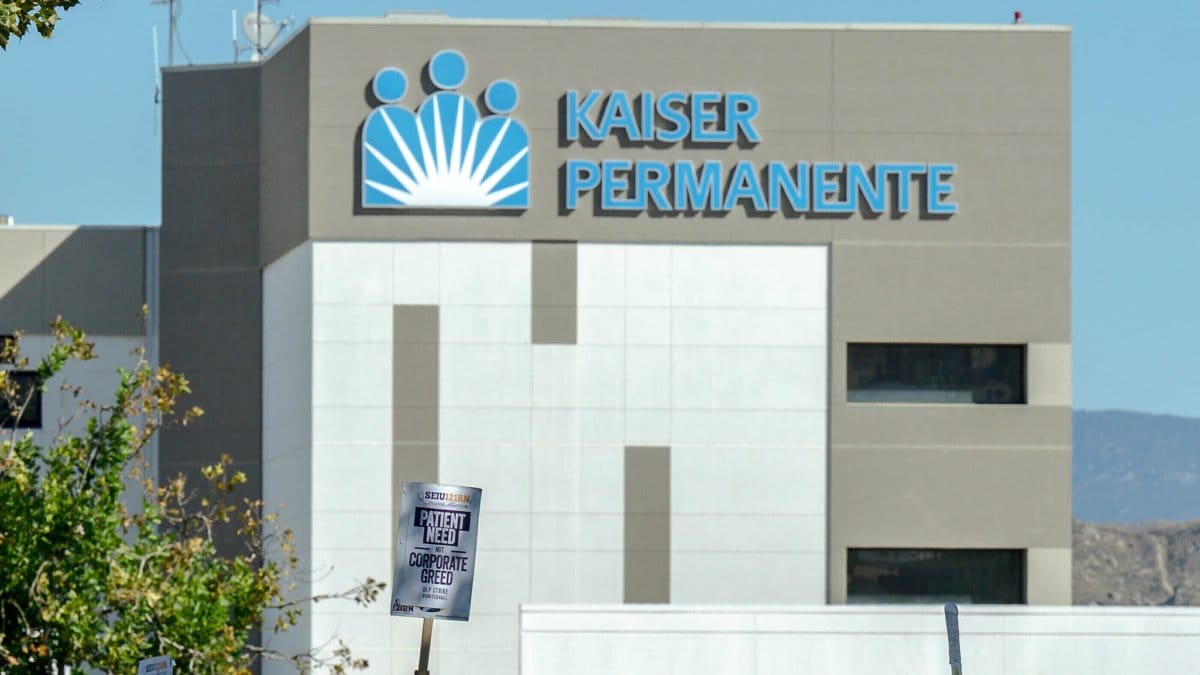
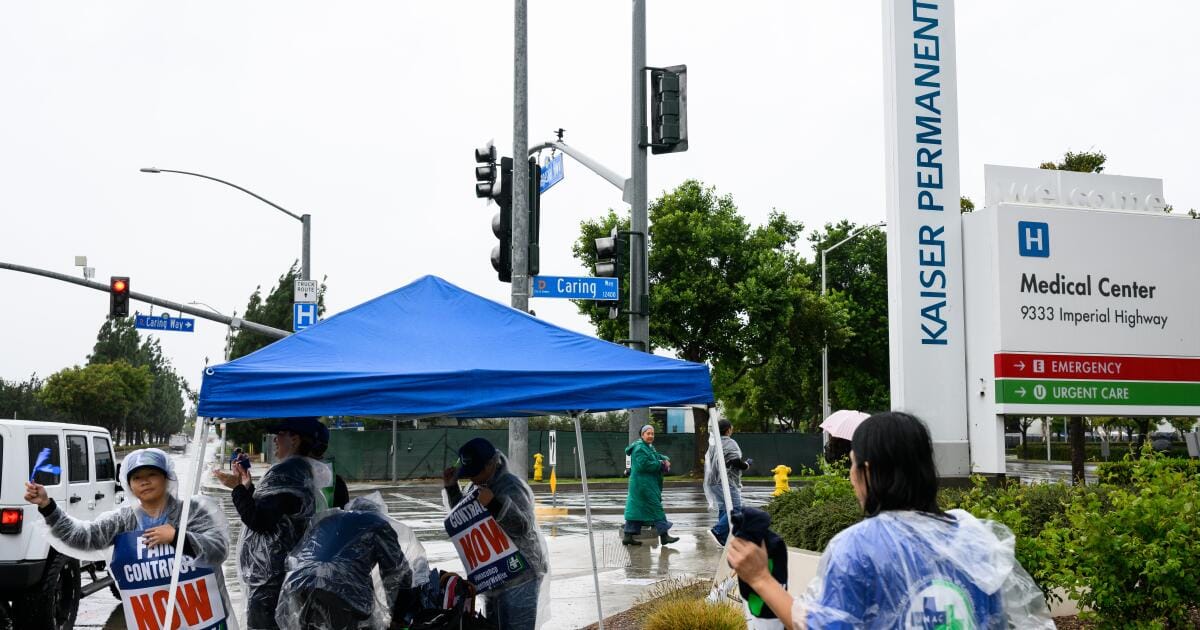
A significant labor action is looming for Kaiser Permanente, with tens of thousands of nurses and health care workers across California preparing to go on strike. The planned work stoppage is set to impact numerous facilities, including hospitals in the densely populated Los Angeles and Orange counties.
The strike is primarily driven by allegations of unfair labor practices, a critical issue that has galvanized a large segment of the healthcare workforce. The action is expected to involve approximately 28,000 Kaiser health workers, though some reports indicate the total number could be closer to 31,000, encompassing nurses and other essential health care professionals.
Scope and Impact of the Strike
The strike is not confined to a single region but is planned as a statewide event, affecting Kaiser Permanente’s operations throughout California. The inclusion of major metropolitan areas like Los Angeles and Orange counties suggests a substantial disruption to patient care and services within these key healthcare markets.
Initial reports confirm that thousands of Kaiser Permanente nurses and health care workers in the Los Angeles area are expected to participate. The breadth of the action indicates it could extend to facilities in Hawaii as well, although the primary focus of the current planning appears to be California.
Labor Disputes and Unfair Practices
The core of the dispute revolves around claims of unfair labor practices. While the specifics of these allegations are often detailed in collective bargaining agreements and negotiations, they typically involve issues such as alleged bad-faith bargaining, unfair discipline or discharge of union members, or interference with employees’ rights to organize and bargain collectively.
Such strikes are often a last resort for unions when negotiations reach an impasse. They serve as a powerful tool to pressure employers to address the workers’ demands and grievances. The high number of workers involved suggests widespread dissatisfaction with the current labor relations at Kaiser Permanente.
Kaiser Permanente’s Response and Contingency Planning
Kaiser Permanente, a major integrated managed care consortium, operates numerous hospitals and medical facilities across the United States, with a significant presence in California. The organization typically relies on a vast workforce of skilled professionals to deliver care to millions of members.
In anticipation of such a large-scale strike, healthcare providers like Kaiser Permanente often engage in contingency planning. This can include bringing in temporary or replacement staff, adjusting service levels, and potentially diverting patients to other facilities if critical care capacity is threatened. The aim is usually to maintain essential services while mitigating the impact of the labor action.
The Broader Context of Healthcare Labor
This potential strike occurs within a broader context of increasing labor activism in the healthcare sector. Nurses and other healthcare workers across the country have been at the forefront of essential work during the COVID-19 pandemic, often facing intense workloads, high risks of exposure, and concerns about staffing levels and compensation.
These pressures have led to increased unionization efforts and a greater willingness among healthcare professionals to engage in collective bargaining and, when necessary, strike actions. Issues such as safe staffing ratios, fair wages, benefits, and workplace safety are common focal points in these disputes.
Potential Ramifications for Patients
A strike of this magnitude has the potential for significant disruption to patient care. While unions typically seek to exempt emergency services and critical care areas from strike actions, the reduction in available staff can lead to longer wait times for appointments, delays in non-emergency procedures, and a strain on remaining staff.
Patients with scheduled appointments or ongoing treatment plans may face uncertainty regarding whether their care will be affected. Kaiser Permanente is expected to communicate directly with its members about any potential service disruptions and to provide guidance on how to access care during the strike period.
The Economic and Social Dimensions
Beyond the immediate impact on patient care, the strike also carries economic and social weight. It highlights the ongoing tension between large healthcare corporations and their workforce, particularly concerning the value placed on essential healthcare labor. The outcome of this dispute could set precedents for future labor negotiations within the industry.
The story is supported by readers who choose to support independent local reporting. Those who find value in such reporting are encouraged to make a donation to power newsrooms.