Ohio Braces for Major Winter Storm: State of Emergency Declared
Ohio’s governor has declared a state of emergency as the state prepares for a significant winter storm expected to impact the region over the weekend. The declaration signals the seriousness of the approaching weather event and allows for the mobilization of state resources.
The National Weather Service has issued a Winter Storm Warning, highlighting the potential for heavy snowfall and rapidly deteriorating road conditions. This alert, coupled with a ‘Level 3’ snow emergency warning from local authorities in some areas, underscores the severity of the anticipated impacts.
Timing and Expected Impacts
The storm is forecast to begin with snow showers picking up on Friday night, intensifying through Saturday and Sunday. The first half of Saturday is expected to start dry but cold and cloudy, with the Winter Storm Warning officially going into effect at 10 am. However, significant snowfall is not anticipated immediately at the onset of the warning.
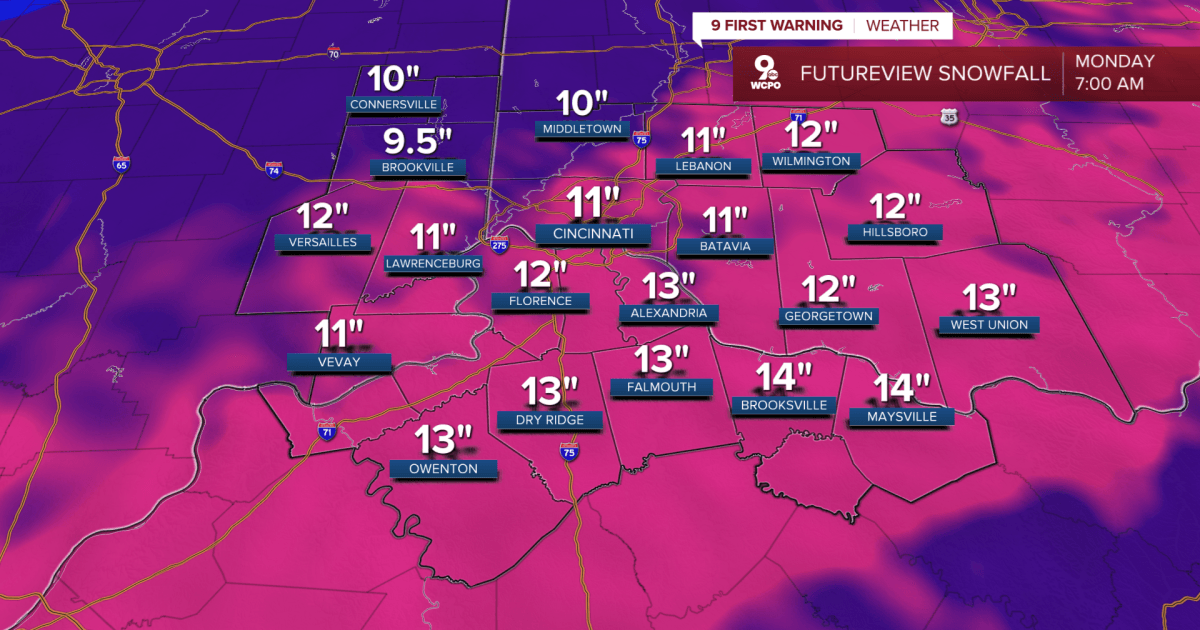
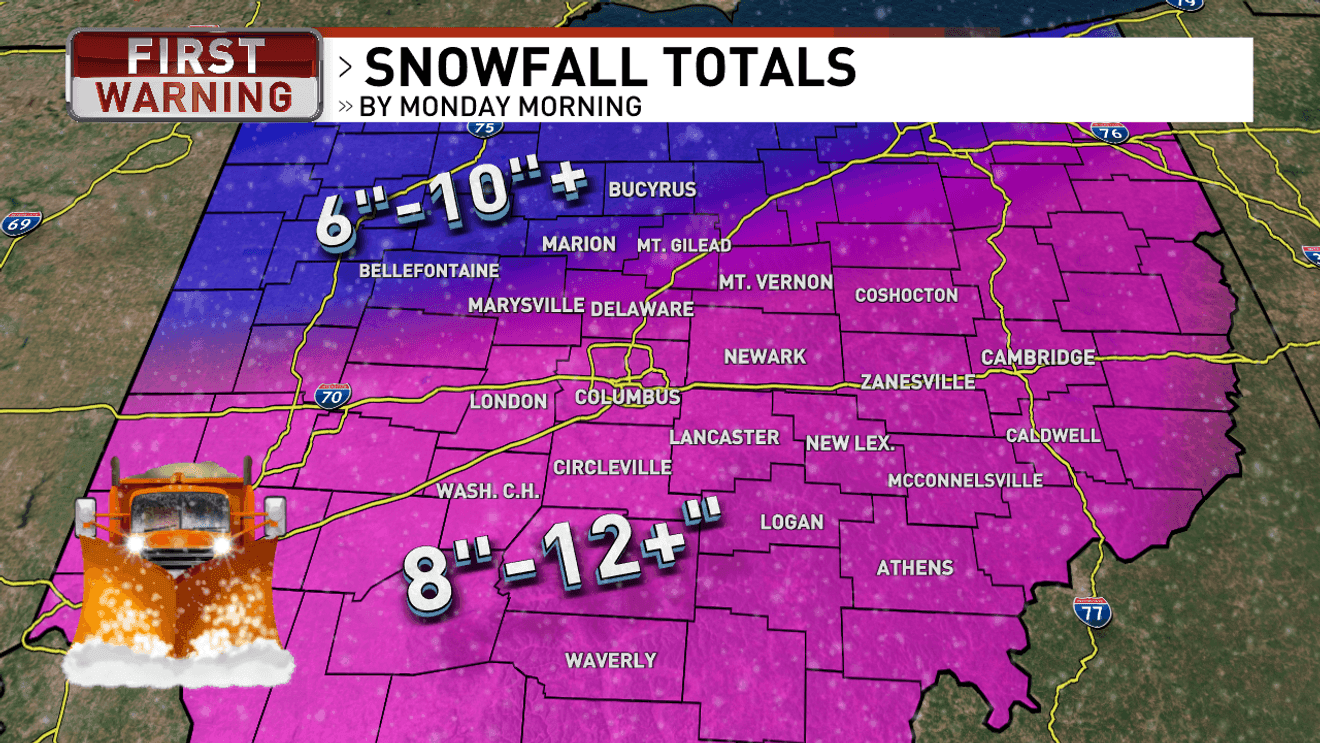
The most impactful period for heavy snowfall is expected to span through Sunday. This prolonged period of intense weather will likely lead to quickly deteriorating road conditions, posing significant challenges for travel and transportation across the state, particularly in major urban centers like Cincinnati and Columbus.
Local Preparations and Warnings
In anticipation of the severe weather, Columbus, Ohio’s mayor has warned of potential ‘Level 3’ snow emergencies. A ‘Level 3’ emergency typically indicates that travel is prohibited due to extremely hazardous conditions, with authorities urging residents to stay off the roads.
A Cold Weather Advisory remains in effect for Central Ohio on Friday morning and afternoon, indicating dangerous wind chills and extreme cold temperatures. This advisory precedes the main winter storm but highlights the already harsh conditions residents are facing.
Broader Context: The Increasing Frequency of Severe Weather
This declaration of a state of emergency in Ohio arrives amidst a broader trend of increasingly severe and unpredictable weather events across the United States. Climate scientists have noted a potential link between a warming climate and more extreme weather patterns, including heavier snowfall events in some regions, alongside more frequent and intense heatwaves and storms.
The economic implications of such widespread winter storms are considerable. Beyond immediate costs associated with snow removal and emergency response, prolonged disruptions can impact supply chains, delay shipments, and affect industries reliant on transportation networks. Businesses may face lost productivity due to closures and reduced workforce availability.
For communities, the immediate concern is public safety. Emergency services are put on high alert, and residents are advised to prepare for potential power outages, ensure they have adequate supplies of food and water, and take precautions against the cold. The psychological toll of being isolated and facing extended periods of harsh weather also warrants consideration.
Looking Ahead
As the state of emergency is in effect, Ohioans are advised to monitor local weather updates closely and adhere to advisories from state and local officials. The full extent of the storm’s impact will become clearer in the coming days, but preparedness and caution are paramount. The declaration of emergency status is a proactive measure aimed at ensuring the safety and well-being of residents during this challenging weather event.
The mobilization of resources under the state of emergency will likely focus on snow removal, emergency response, and providing assistance to vulnerable populations. The duration of the storm’s impact and the subsequent recovery efforts will be closely watched as the situation unfolds.
This event serves as a stark reminder of the need for robust infrastructure and emergency preparedness plans to cope with the growing challenges posed by extreme weather, a trend expected to continue in the years to come.
Further updates will be provided as the storm progresses and its impacts become more defined across the state.