
Strategic Convergence: QSR, Entertainment IP, and Demographic Targeting
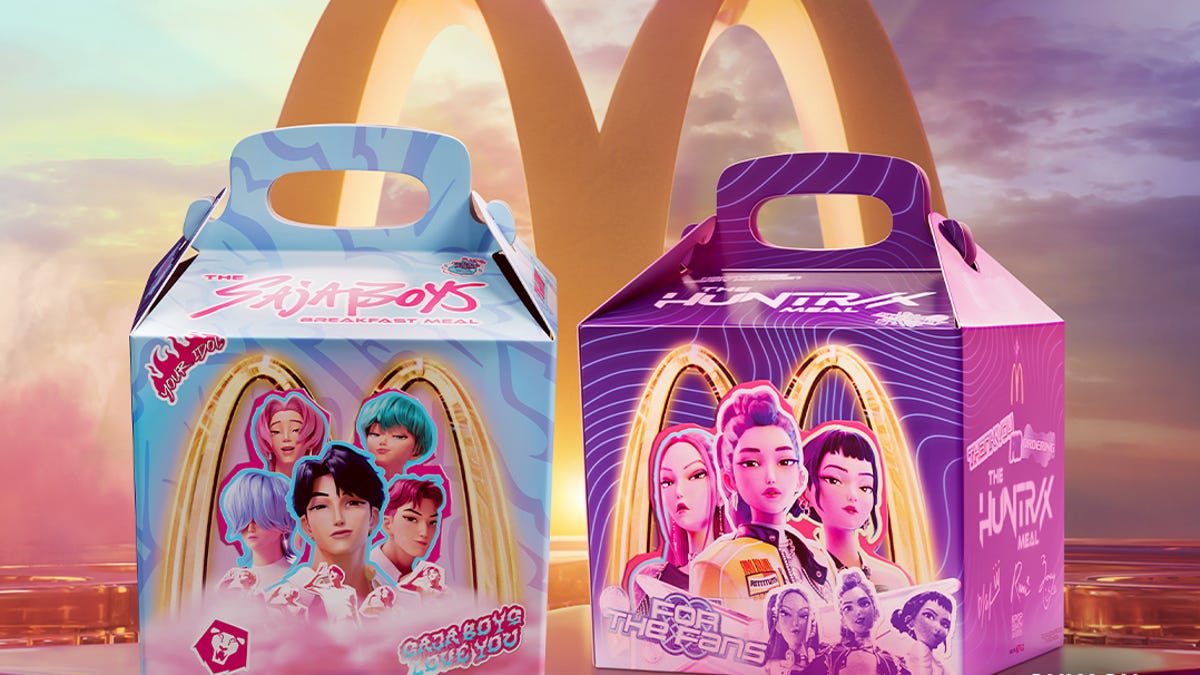
McDonald’s has initiated a high-leverage cross-promotional strategy with Netflix, centering on two distinct, K-Pop-themed adult meals linked to the intellectual property of the film “KPop Demon Hunters.” Beginning March 31, 2026, this campaign signals a calculated move to monetize established, high-velocity fandoms through physical product distribution.
The partnership explicitly targets the substantial economic power of the global K-pop audience by leveraging the fictional rivalry between the groups HUNTR/X and the Saja Boys to drive immediate transactional volume. Projections suggest the campaign could yield $100 million in initial sales within days, underscoring McDonald’s objective to secure revenue streams anchored in cultural currency.
Critical to success is the integration of South Korean culinary-inspired flavors. This is not mere thematic branding; it translates the narrative and aesthetic success of the Oscar-winning film into a tangible, multisensory experience designed to deepen consumer immersion and justify the premium pricing of these adult-focused Limited Time Offerings (LTOs).
Leveraging Collectibility and Digital Gating for Velocity
The engagement core relies on collectible photocards, faction-aligned with HUNTR/X or Saja Boys, directly incentivizing repeat purchases to secure complete sets or signal allegiance. This collectible mechanism accelerates initial velocity by mirroring scarcity models used in streetwear drops and trading card games, activating FOMO and secondary market behavior.
Furthermore, the inclusion of the Derpy the Tiger access card functions as a crucial digital gate. This card unlocks exclusive content within the McDonald’s proprietary app, transforming a physical food purchase into a measurable lead generation event for their mobile ecosystem.
The narrative payoff—a reveal detailing which group wins the “Battle for the Fans”—is a sophisticated use of delayed gratification to sustain engagement post-initial purchase, solidifying a transactional loop that maximizes Customer Lifetime Value (CLV) during the campaign duration.
Institutional Alignment and Brand Repositioning
Alyssa Buetikofer, McDonald’s CMO, framed the synergy as a “natural fit,” indicating deep institutional synchronization between the QSR giant and Netflix’s content distribution pipeline. This integration places the product directly within the narrative universe of a critically validated property.
The source material’s critical validation—an animated feature winning two Academy Awards, including Best Animated Feature—provides a proven commercial foundation. McDonald’s effectively acquires cultural capital from a vetted property, mitigating the risk associated with unproven LTO concepts.
Comments from Marian Lee confirm the strategy’s sophistication in translating on-screen rivalry into experiential consumer conflict, utilizing embedded Korean cultural touchstones to achieve deeper resonance than superficial co-branding efforts.
Competitive Exposure and Premiumization Strategy
This high-visibility IP collaboration places immediate competitive pressure on QSR rivals relying on lower-engagement LTOs or generic endorsements. McDonald’s establishes a higher benchmark for promotional efficacy by securing top-tier, globally recognized entertainment IP.
The specific targeting of an adult meal tier is significant: it signals a clear strategy to increase Average Transaction Value (ATV) by appealing to older consumers with higher disposable income, contrasting with historical fast-food promotions often focused on value or children’s segments.
The focus on South Korean cultural elements positions McDonald’s advantageously to capitalize on the expanding global recognition of Hallyu (the Korean Wave), aiming for first-mover advantage in embedding these cultural touchpoints within mainstream American consumerism via a ubiquitous platform.
Operationalizing Cultural Resonance and Scarcity
The primary operational hurdle is integrating specialized, culturally authentic menu items into a standardized global supply chain without degrading quality or service speed. Success hinges on precise inventory management to sustain perceived authenticity alongside McDonald’s core operational tempo.
The limited-time nature of both the meals and the exclusive digital rewards acts as a primary lever for immediate operational throughput, forcing rapid purchasing decisions. This manufactured scarcity drives crucial initial weeks’ performance metrics.
The sequel development for “KPop Demon Hunters” implies a potential for sustained, cyclical engagement opportunities, shifting this promotion from a one-off event to a potential recurring strategic platform if initial KPIs are achieved.
Stakeholder Analysis: Netflix IP Valuation
For Netflix, this venture powerfully demonstrates extending the economic lifecycle and cultural relevance of owned IP outside the core subscription window. By monetizing content into a tangible product ecosystem, Netflix extracts ancillary revenue and deepens brand loyalty amidst competitive SVOD pressures.
The linkage between cinematic achievement (Oscar wins) and immediate commercial activation validates investment in premium, culturally specific content production, setting a precedent where artistic merit translates directly to high-volume retail activation.
The Ecosystem of Fandom Economics Mechanics
The deliberate binary choice between HUNTR/X and Saja Boys meals activates the tribalism intrinsic to large fandoms, compelling public alignment and potentially doubling purchase frequency as consumers acquire both meals to collect all assets or participate fully in the narrative conflict.
Photocards serve as micro-assets entering an informal secondary market, driving consumer behavior based on perceived scarcity of one faction’s cards over the other, irrespective of potential parity in the food offerings.
The QR code mechanism linked to the McDonald’s app is a critical data acquisition point, allowing precise mapping of purchasing behavior directly to digital engagement metrics, quantifying the conversion efficiency of cultural marketing expenditure.
Long-Term Trajectory and Structural Shifts in QSR Marketing
If velocity metrics are met, this campaign will accelerate the QSR industry trend toward deep, narrative-driven IP collaborations over broad, generalized awareness campaigns. The focus shifts to concentrated, high-intensity transactional spikes driven by cultural affinity.
The structural significance lies in the successful fusion of high-capitalized sectors: global fast-food logistics and premium entertainment production. This model mitigates typical friction points between content producers seeking ancillary revenue and retailers requiring high-impact traffic drivers.
The strategic integration of Korean cultural elements suggests future LTO strategies industry-wide will require greater cultural specificity and sensory authenticity to replicate this level of immersive consumer engagement.
Operationalizing Scarcity and Digital Adoption
The strict limited-time availability of both physical meals and digital content acts as the primary lever for immediate throughput, compelling immediate purchasing decisions unlike evergreen menu items.
The app access mechanism ensures the campaign’s impact extends beyond POS transactions to the sustained activity within the proprietary digital channel, a vital metric for modern retail valuation.
Success will be benchmarked on the sustained engagement rate of app users acquired specifically for content redemption, validating the long-term ROI of the digital integration layer.
Cultural Capital and Perceptual Shift
By aligning with an Oscar-winning property, McDonald’s elevates the perceived prestige of its LTO program, shifting brand perception among older, discerning consumers away from juvenile tie-ins toward sophisticated cultural participation.
The high-stakes narrative framing—demons battling via music—justifies the fervor of fandom behavior by tapping into competitive enthusiasm rather than mere product preference.
Execution demands flawless coordination across Netflix’s content timeline, physical product launch, and digital asset deployment, highlighting the increasing complexity of integrated marketing spanning physical logistics and digital asset management.
Downstream Implications for Content Licensing
This deal establishes a new precedent for how major studios value mid-tier, successful IP, positioning robust QSR partnerships as essential components of content monetization, rather than secondary marketing costs. The reported immediate upside enhances content owners’ future negotiation leverage in retail collaborations.
Operational success in scaling South Korean-inspired flavors will influence future menu development, encouraging broader experimentation with international profiles in Western markets, validated by the proven resonance of this cultural LTO.
The collectible card/digital unlock blueprint establishes a robust model for future cross-platform engagement, where controlled physical scarcity directly drives measurable digital adoption and data capture.
Strategic Depth of the Fandom Mechanism
The calculated binary choice forces consumers into an emotional investment mirroring real-world fandom tribalism; the purchase is a declared allegiance, not just a transaction.
This structure maximizes potential cross-group purchasing, as dedicated fans may buy the opposing meal to complete card sets or engage with the narrative conflict outside their primary affiliation.
Involving the film’s soundtrack success broadens appeal, capturing consumers whose primary IP connection is auditory, ensuring maximum penetration across diverse consumption modalities.
The App in Customer Retention and Data Capture
The QR code system functions as a high-efficiency tool for immediate app user acquisition, bypassing organic store promotion. The perceived value of the exclusive reveal must outweigh the friction of digital onboarding.
This digital onboarding is key to McDonald’s long-term strategy, as app users exhibit higher visit frequency and larger basket sizes, justifying the content cost as a CAC (Customer Acquisition Cost) investment.
The content reveal is timed to generate a final, concentrated burst of activity as the physical LTO window closes, ensuring sustained relevance throughout the campaign lifecycle.
Cultural Translation and Market Penetration Metrics
Translating complex K-pop fandom dynamics into the high-volume QSR environment represents advanced cultural mediation, simplifying narrative conflict while retaining the emotional intensity driving fan expenditure.
This partnership validates the global commercial viability of South Korean entertainment exports, signaling to multinationals a reliable pathway to high-yield demographic engagement via deep integration with Hallyu properties.
Competitors will scrutinize this model, potentially escalating bidding wars for similarly critically acclaimed and culturally resonant IP across the entertainment sector.

Photo by mirashin1 on Pixabay.