
Morocco Forges Ahead in Advanced Industry and Innovation
Casablanca, Morocco’s economic heartbeat, is increasingly cementing its position as a dynamic hub for industrial advancement and technological innovation. Recent developments underscore a proactive national strategy aimed at diversifying the economy and strengthening its standing on the global stage. These events collectively paint a picture of a nation committed to fostering a vibrant ecosystem for startups, attracting significant foreign investment, and deepening regional economic ties.
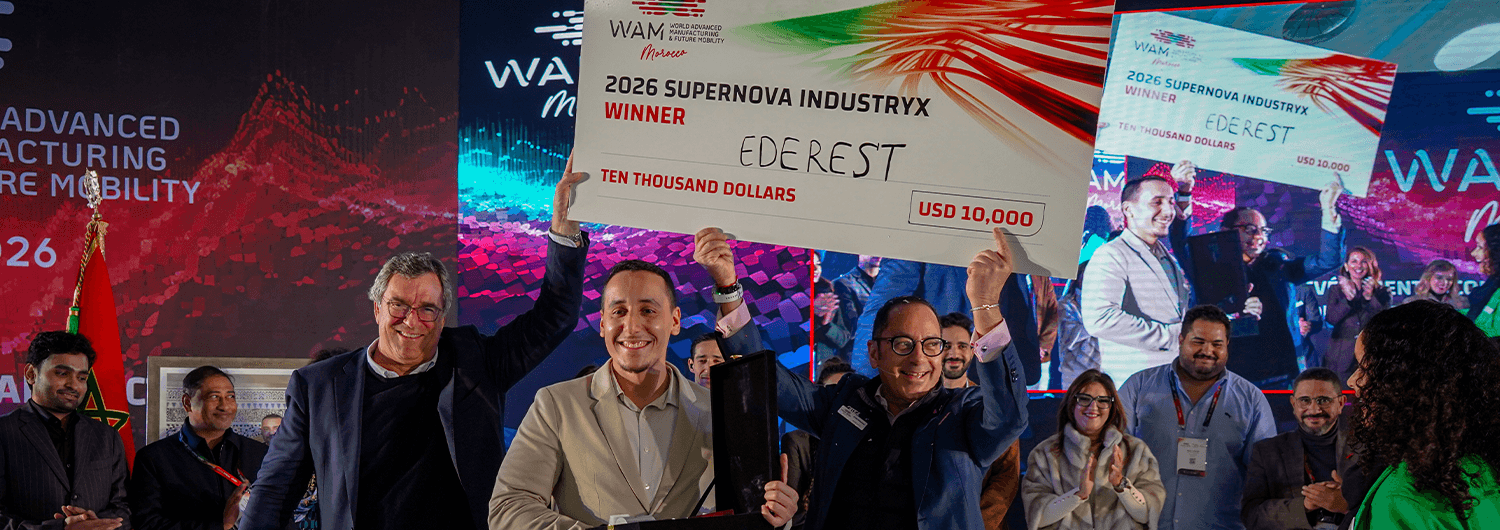
At the forefront of this wave of activity was the inaugural edition of WAM Morocco, a pivotal event launched in Casablanca. This gathering successfully convened a diverse group of stakeholders, including industrialists, investors, technology partners, and burgeoning startups. A highlight of WAM Morocco was the Supernova Challenge, where Ederest emerged victorious, signaling the country’s rising potential in competitive innovation.
Further solidifying Casablanca’s role as an industrial magnet, the city’s Salon on Advanced Industry and Mobility successfully attracted a notable contingent of Italian investors. This interest from a key European industrial player highlights Morocco’s growing appeal as a destination for foreign direct investment in sophisticated manufacturing and related sectors.
Concurrently, a compelling call for «co-industrialization» as a strategic lever for Morocco has been voiced by Aminou Akadiri of the Economic Community of West African States (ECOWAS). This perspective emphasizes the importance of integrated regional approaches to industrial development, positioning Morocco not just as a national economic player but as a crucial partner within the broader African continental framework. These interconnected events reflect a strategic thrust by Morocco to redefine its economic landscape, marrying local innovation with international collaboration and regional integration.
WAM Morocco and the Supernova Challenge: Fueling the Startup Ecosystem
The launch of WAM Morocco in Casablanca marks a significant milestone in the nation’s journey towards an innovation-driven economy. Designed as a platform for dialogue, collaboration, and investment, WAM Morocco’s inaugural edition brought together critical players from various sectors. Its success in uniting industrialists, financial backers, technological innovators, and entrepreneurial ventures demonstrates a concerted effort to create a fertile ground where ideas can blossom into market-ready solutions.
The Supernova Challenge, a central feature of WAM Morocco, exemplifies the country’s dedication to identifying and nurturing promising talent within its startup ecosystem. Ederest’s triumph in this competition not only grants recognition to an innovative company but also shines a spotlight on the potential for technological breakthroughs originating from Morocco. Such challenges are vital mechanisms for young companies, providing essential visibility, access to funding networks, and invaluable mentorship.
Morocco’s broader strategy for startup growth extends beyond singular events. The government actively supports a network of incubators, accelerators, and specialized funds designed to foster entrepreneurial spirit. This robust infrastructure is crucial for economic diversification, enabling the country to move beyond traditional sectors like agriculture and tourism towards high-value technology and advanced services.
The deliberate inclusion of industrialists, investors, and tech partners alongside startups at WAM Morocco is strategic. It aims to bridge the often-present gap between nascent innovation and its market application, facilitating the flow of capital and expertise towards promising ventures. This synergistic environment is essential for translating entrepreneurial vision into tangible economic output and job creation.
Ultimately, Morocco’s commitment to building a knowledge-based economy is evident in these initiatives. By cultivating a vibrant ecosystem that attracts both local talent and international players, the nation positions itself as a competitive and attractive destination. Its favorable business climate, coupled with a strategic geographical location, further enhances its appeal to those seeking to invest in the next wave of innovation.
Attracting Global Capital: The Lure of Advanced Industry and Mobility
The Casablanca Salon on Advanced Industry and Mobility serves as a testament to Morocco’s commitment to modern industrial development. By focusing on advanced manufacturing techniques, smart technologies, and progressive transportation solutions, the fair aligns with global imperatives for sustainable and efficient industrialization. These sectors are critical drivers of economic growth and technological progress in the 21st century.
The attraction of Italian investors to this fair is particularly significant. Italy boasts a rich industrial heritage, especially in specialized manufacturing, machinery, and automotive components. Their interest suggests potential for robust partnerships, invaluable technology transfer, and substantial foreign direct investment (FDI) into Moroccan enterprises. Such collaborations can accelerate the integration of Moroccan industries into global value chains.
Morocco’s appeal to European investors is multifaceted. Its close geographical proximity to Europe, coupled with well-developed infrastructure including modern ports, an expanding highway network, and dedicated industrial free zones, significantly reduces logistical hurdles. A relatively stable political and economic environment, alongside preferential trade agreements with the European Union, further enhances its attractiveness as a manufacturing and export base.
The nation’s ambitious industrial acceleration plans are pivotal in this regard. Targeted sectors like automotive, aerospace, and renewable energy have seen substantial government support and investment, creating competitive industrial ecosystems. The establishment of world-class facilities, such as the automotive clusters around Tanger Med and Kenitra, and the aerospace hub at Casablanca Midparc, showcases Morocco’s capability to host and nurture complex manufacturing operations.
Furthermore, the emphasis on “mobility” at the fair is forward-thinking. This encompasses a broad spectrum of innovations, from electric vehicles and smart urban transit systems to advanced logistics and connected infrastructure. It reflects Morocco’s understanding that future industrial growth is intrinsically linked to sustainable and technologically sophisticated movement of goods and people, positioning it as a proactive player in a rapidly evolving global landscape.
Co-industrialization: A Pillar for Regional Integration and Growth
Aminou Akadiri’s assertion that «co-industrialization» represents a lever for Morocco, as expressed from the perspective of ECOWAS, underscores a strategic vision for integrated regional development. Co-industrialization refers to a model where nations collaborate on joint production, develop shared value chains, and align industrial policies. This approach aims to create a more integrated and resilient regional economy, moving beyond simple trade relationships to deeper productive partnerships.
For Morocco, this concept holds particular significance given its long-standing economic and diplomatic engagement with West African nations. The country has consistently sought to strengthen its ties with the continent, positioning itself as a natural bridge between Europe and Africa. The prospect of closer integration, potentially through enhanced cooperation with or even eventual membership in ECOWAS, presents immense opportunities for mutual growth and shared prosperity.
The benefits of co-industrialization for the broader West African region are substantial. It facilitates the development of robust regional supply chains, reducing dependency on external markets and enhancing economic resilience against global shocks. By fostering industrial diversification and encouraging economies of scale, it can significantly boost intra-African trade and investment, unlocking new avenues for growth across the continent.
Morocco’s existing industrial strengths make it an ideal partner for such initiatives. Its relatively advanced manufacturing base, skilled labor force, modern infrastructure, and expertise in key sectors like phosphates, automotive, and renewable energy, offer a strong foundation for collaborative industrial projects. These capabilities can be leveraged to support the industrialization efforts of neighboring ECOWAS member states, creating a symbiotic relationship.
From a geopolitical and economic standpoint, co-industrialization is a powerful tool for building collective regional resilience. By pooling resources and expertise, countries can better compete on the international stage, attract larger investments, and accelerate technological transfer. This strategic integration is crucial for fostering shared prosperity and ensuring sustainable development across Africa, making Akadiri’s call resonate deeply with Morocco’s continental aspirations.
Why These Developments Matter: Broader Trends and Strategic Vision
Morocco’s Vision for Economic Diversification and Regional Leadership
These recent developments in Casablanca are not isolated incidents but rather integral components of Morocco’s overarching economic strategy. The nation is actively pursuing a path of economic diversification, seeking to move beyond traditional pillars like agriculture and tourism towards higher-value manufacturing, technology, and advanced services. This strategic shift is designed to create a more robust, resilient, and knowledge-based economy capable of sustained growth.
Morocco’s ambition to serve as a gateway to Africa is visibly reinforced by these initiatives. Its proactive investments across the continent and its astute diplomatic efforts are now being complemented by tangible economic platforms that foster innovation and industrial collaboration. Events like WAM Morocco and the attraction of foreign investors demonstrate a practical commitment to solidifying its position as a leading economic player in Africa, facilitating a two-way flow of capital, technology, and expertise.
The success of these endeavors hinges significantly on the strength of public-private partnerships and robust international collaboration. Government support for innovation, investor confidence, and effective regional cooperation are all deeply interconnected elements driving this transformation. By strategically aligning these forces, Morocco is building a framework that encourages sustained growth and fosters an environment conducive to both local entrepreneurship and international investment.
Responding to Global Economic Imperatives
Morocco’s strategic focus on advanced industry, innovation, and regional integration is a direct response to prevailing global economic imperatives. The push for more resilient and localized supply chains, catalyzed by recent global disruptions, highlights the need for diversified manufacturing bases. Simultaneously, the imperative for green industrialization and the rapid advancements of the Fourth Industrial Revolution (Industry 4.0) demand nations to adapt and innovate swiftly.
By investing in advanced manufacturing capabilities and fostering its tech ecosystem, Morocco is strategically positioning itself to capitalize on these global trends. The country offers a stable and competitive base for manufacturing and innovation, ideally situated to serve both European and burgeoning African markets. This dual market access provides a significant advantage for investors looking to expand their reach.
The deliberate emphasis on advanced industry and mobility is therefore not accidental; it aligns perfectly with the global demand for technologically sophisticated, sustainable, and efficient solutions. From electric vehicle components to smart city infrastructure, Morocco is cultivating expertise in areas that are central to the future global economy, ensuring its relevance and competitiveness in an ever-evolving landscape.
Looking Ahead: A Future Defined by Innovation and Integration
Continued Investment and Ecosystem Growth
The trajectory initiated by events like WAM Morocco and the successful Casablanca industrial fair suggests a future marked by continued investment flows into Morocco’s advanced industrial sectors. Driven by its strategic advantages, proactive economic policies, and a growing reputation for stability, the country is poised to attract even greater foreign direct investment in the coming years. This will further fuel job creation and technological upgrading across various industries.
We can anticipate a further growth and maturation of Morocco’s startup ecosystem. Platforms like WAM Morocco will continue to play a crucial role in identifying, nurturing, and accelerating the development of innovative companies. As these startups mature and scale, they will contribute significantly to Morocco’s economic diversification, creating new industries and positioning the nation as a regional leader in technological entrepreneurship.
The potential for Morocco to evolve into an even more significant hub for research and development, as well as specialized manufacturing, is considerable. By attracting highly skilled talent and further integrating its industries into global value chains, Morocco can enhance its competitive edge. This will allow the country to move up the value chain, transitioning from a mere manufacturing base to a center for innovation and high-tech production.
Deepening Regional Ties and Influence
The call for co-industrialization by ECOWAS points towards the increasing importance of strengthening economic bonds between Morocco and its West African partners. These efforts are likely to intensify, leading to more integrated regional supply chains and shared industrial development initiatives. Such collaborations will not only benefit Morocco by expanding its market reach and strengthening its regional influence but also contribute significantly to the economic development and stability of the entire ECOWAS region.
This deepening integration is critical for fostering shared prosperity across Africa. By working together, nations can leverage collective strengths, overcome common challenges, and build a more resilient and self-sufficient continental economy. Morocco’s leadership in this regard will serve as a model for intra-African cooperation, demonstrating how strategic partnerships can unlock mutual growth and sustainable development.
In conclusion, Morocco is on a clear trajectory towards becoming a dynamic, forward-looking economy. By strategically leveraging innovation, fostering strong partnerships both domestically and internationally, and deepening its regional leadership, the nation is well-positioned to achieve sustainable economic growth and secure a prosperous future in the global economy. The events in Casablanca are not just headlines; they are foundational steps in a grander strategic vision for Morocco.
Photo by Nasalune-FcK on Pixabay.