Searing Heat Grips Melbourne Park on Day 7 of Australian Open
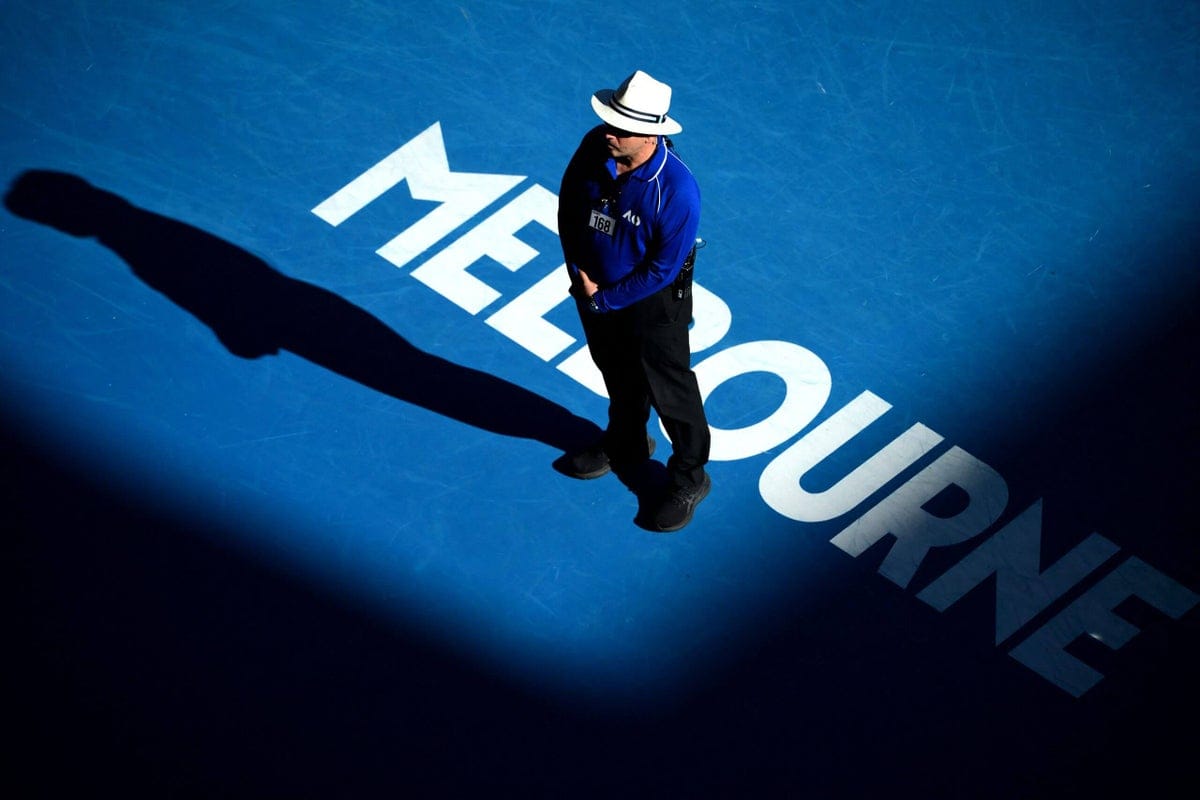
The seventh day of the Australian Open in Melbourne arrived with a punishing embrace of the summer sun, transforming the normally vibrant tennis arenas into a crucible of extreme heat. As third-round action continued, the mercury was forecast to climb to a staggering 41 degrees Celsius (approximately 106 degrees Fahrenheit), pushing the limits of both the athletes and the tournament’s infrastructure.
The relentless Australian sun is a familiar foe for players at this Grand Slam, but forecasts for Day 7 indicated a particularly brutal onslaught. Anticipating the sweltering conditions, tournament organizers took proactive measures to mitigate the impact on the day’s play.
Schedule Adjustments Amidst the Inferno
In response to the impending heatwave, the Australian Open implemented significant schedule adjustments. The start time for matches was moved earlier, and an extra match was added to the schedule on the partially covered Margaret Court Arena. These changes were designed to provide players with more time between matches and potentially more shade, offering a small reprieve from the intense heat.
The decision to adjust the schedule underscored the severity of the heat forecast. Organizers continuously monitor the ambient temperature and the wet-bulb globe temperature (WBGT) to implement the Extreme Heat Policy, which can include suspending play or activating the roof on Rod Laver Arena and John Cain Arena.
Jannik Sinner Faces a Fiery Test
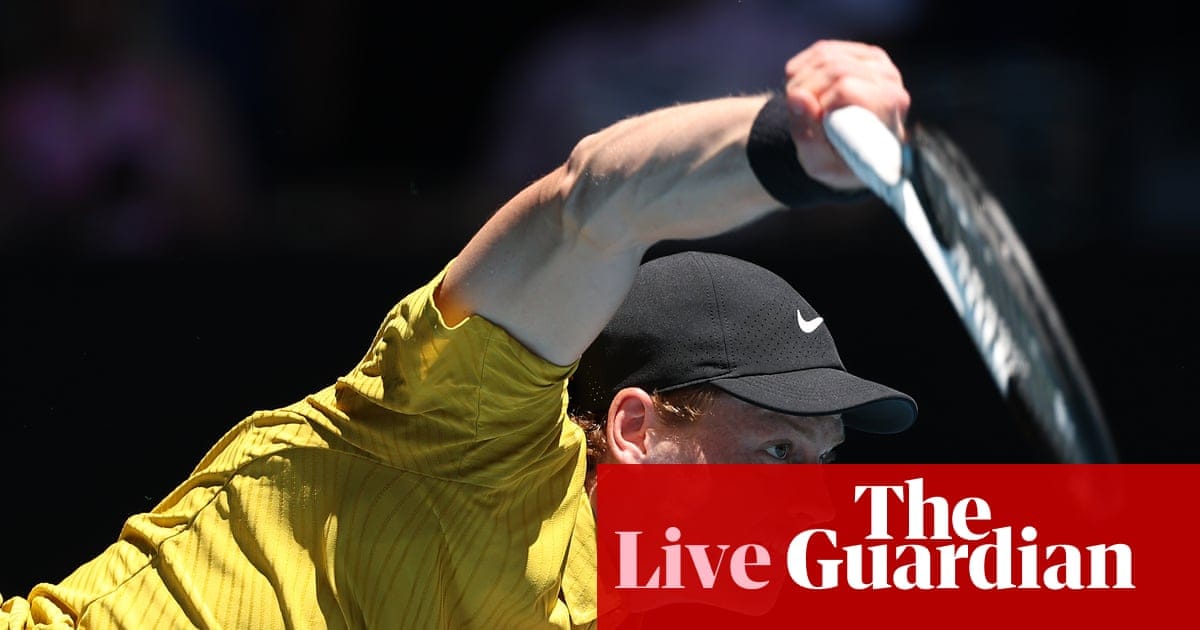
Among the players navigating the challenging conditions was Italy’s Jannik Sinner, the second seed. His third-round match against American qualifier Zachary Svajda proved to be a stern examination, not just of his skill but of his endurance under the oppressive Melbourne heat.
Svajda, a tenacious opponent, refused to yield easily. The American put up a significant fight, pushing Sinner to the brink in rallies and forcing the Italian to earn every point. Reports from the court indicated that Svajda was making Sinner work for his winners, presenting a physical challenge that was amplified by the scorching temperatures.
The scoreline reflected the close nature of the contest and Svajda’s resilience. At one point, with Sinner leading, the scoreboard showed Svajda with a slight advantage within a game, indicating the pressure he was applying. The match was a testament to the mental and physical fortitude required to compete at the highest level when nature itself becomes a formidable opponent.
Keys and Pegula Advance with Ease
While some faced gruelling battles, other top seeds managed to navigate the heat and their opponents with relative comfort. American duo Madison Keys and Jessica Pegula, both strong contenders, eased through their respective third-round matches.
Keys, known for her powerful game, demonstrated her class by advancing efficiently. Pegula, consistently a top performer in Grand Slams, also secured her passage to the next round without expending excessive energy, a crucial advantage when facing prolonged heat exposure.
Their performances highlighted the different ways players can adapt and succeed under pressure, whether it’s through sheer dominance or by conserving energy strategically. The ability to manage one’s physical state in such extreme heat is as vital as any on-court tactic.
The Spectacle of Grit and Resilience
The Australian Open, held in the heart of Melbourne’s summer, is no stranger to heat. However, the intensity of the conditions on Day 7 served as a stark reminder of the unique challenges presented by this Grand Slam. The tournament is as much a test of endurance and mental fortitude as it is of athletic prowess.
Fans braving the heat to attend the matches also played a part in the atmosphere, their cheers a constant backdrop to the on-court drama. The resilience of the players, pushing through pain and exhaustion under the unforgiving sun, captivated audiences worldwide.
As the tournament progresses, the forecast remains a critical factor. Players and organizers alike will continue to monitor the conditions, adapting strategies and schedules as needed. The Australian Open continues to be a battleground where skill, strategy, and sheer human resilience are tested against the elements.