Regulatory Paradigm Shift in Cheyenne Following Industrial Contamination
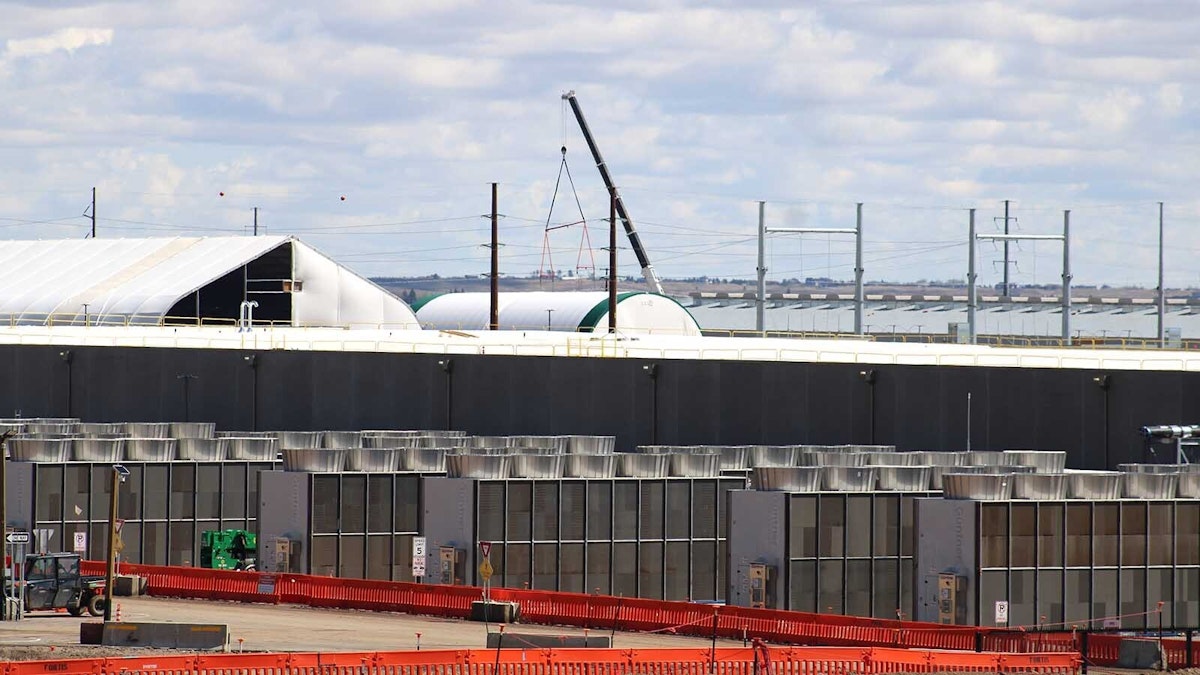
The Cheyenne Board of Public Utilities (BOPU) has formally identified Goat Systems LLC, a contractor for Meta Platforms, as the source of a biological contamination that incapacitated the city’s water reclamation infrastructure. The incident, occurring during the commissioning of Meta’s $800 million ‘Project Cosmo’ data center, introduced the rare bacterium Cupriavidus gilardii into the municipal sewer system. This breach triggered a cascade of operational failures, forcing Cheyenne’s reuse water system offline for several months and necessitating a complete re-evaluation of industrial wastewater protocols within the High Plains Business Park.
The failure occurred during the ‘fill-and-flush’ phase, a standard procedure used to purge debris and flux residues from massive closed-loop cooling systems. Instead of a routine cleaning, this process served as a vector for a metal-resistant pathogen that compromised two separate reclamation plants. In response, the BOPU has transitioned from punitive fines to structural retaliation: the permanent termination of Meta’s discharge privileges and a city-wide prohibition on specific data center wastewater practices. This move marks a pivot toward internalizing the environmental risks of hyperscale infrastructure rather than externalizing them onto public utilities.
Biological Profile: The Resilience of Cupriavidus gilardii
Cupriavidus gilardii is an environmental organism distinguished by its extreme resilience in high-stress, heavy-metal-rich environments. While generally categorized as harmless in soil, it acts as an opportunistic pathogen for immunocompromised populations. In a municipal utility context, its presence is a technical catastrophe; the bacterium’s resistance to standard chemical treatments allows it to survive the biological processes used to treat and reclaim water, effectively poisoning the nutrient-rich environment of reclamation bioreactors.
The persistence of the contamination required months of specialized mechanical and chemical cleaning. For the BOPU, the discovery of this organism during February testing highlighted a systemic vulnerability: the potential for rare environmental bacteria to be concentrated and discharged at levels that disrupt municipal-scale treatment. This biological interference has forced the city to reset its baseline for acceptable industrial effluent, recognizing that traditional disinfection cycles are insufficient against specialized industrial pathogens.
Operational Failures and the ‘Fill-and-Flush’ Vector
The contamination highlights a critical oversight in the lifecycle of data center cooling systems. During ‘fill-and-flush,’ thousands of gallons of water are circulated to stabilize the internal chemistry of the cooling loops. In the case of Goat Systems LLC, the failure to treat or contain this water before it entered the municipal stream bypassed the protective barriers intended to isolate industrial waste. The BOPU characterized this as a significant violation of industrial pretreatment regulations, which are designed to protect the biological integrity of city treatment stages.
The suspension of the reclaimed water program impacted the city’s broader water conservation strategy, as the non-potable supply used for irrigation had to be entirely halted to prevent environmental spread. The complexity of the decontamination process underscores the severity of the contractor’s operational lapse, illustrating that hyperscale industrial projects cannot be integrated into municipal systems without rigorous, onsite real-time monitoring and isolated treatment buffers.
Strategic Policy Repercussions for Data Center Hubs
The BOPU’s new policy prohibiting wastewater discharges from data centers using closed-loop cooling and ‘fill-and-flush’ systems represents a permanent decoupling of city infrastructure from the most intensive phases of tech development. By revoking discharge privileges, Cheyenne is forcing industrial tenants to adopt onsite treatment or expensive offsite hauling. This regulatory hardening signals to the tech industry that municipal assets will no longer be offered as a low-cost safety net for high-risk industrial waste management.
This event serves as a warning for other municipalities hosting large-scale data centers. The Cheyenne incident exposes the sensitivity of modern reclaimed water networks to resilient pathogens that can survive treatment and enter the wider environment via irrigation. As the demand for hyperscale cooling water grows, the BOPU’s aggressive stance provides a roadmap for municipal sovereignty, prioritizing the long-term health of public utility infrastructure over the immediate logistical convenience of corporate partners.