Monetizing Heritage: High-Margin Merchandise as an Anniversary Catalyst
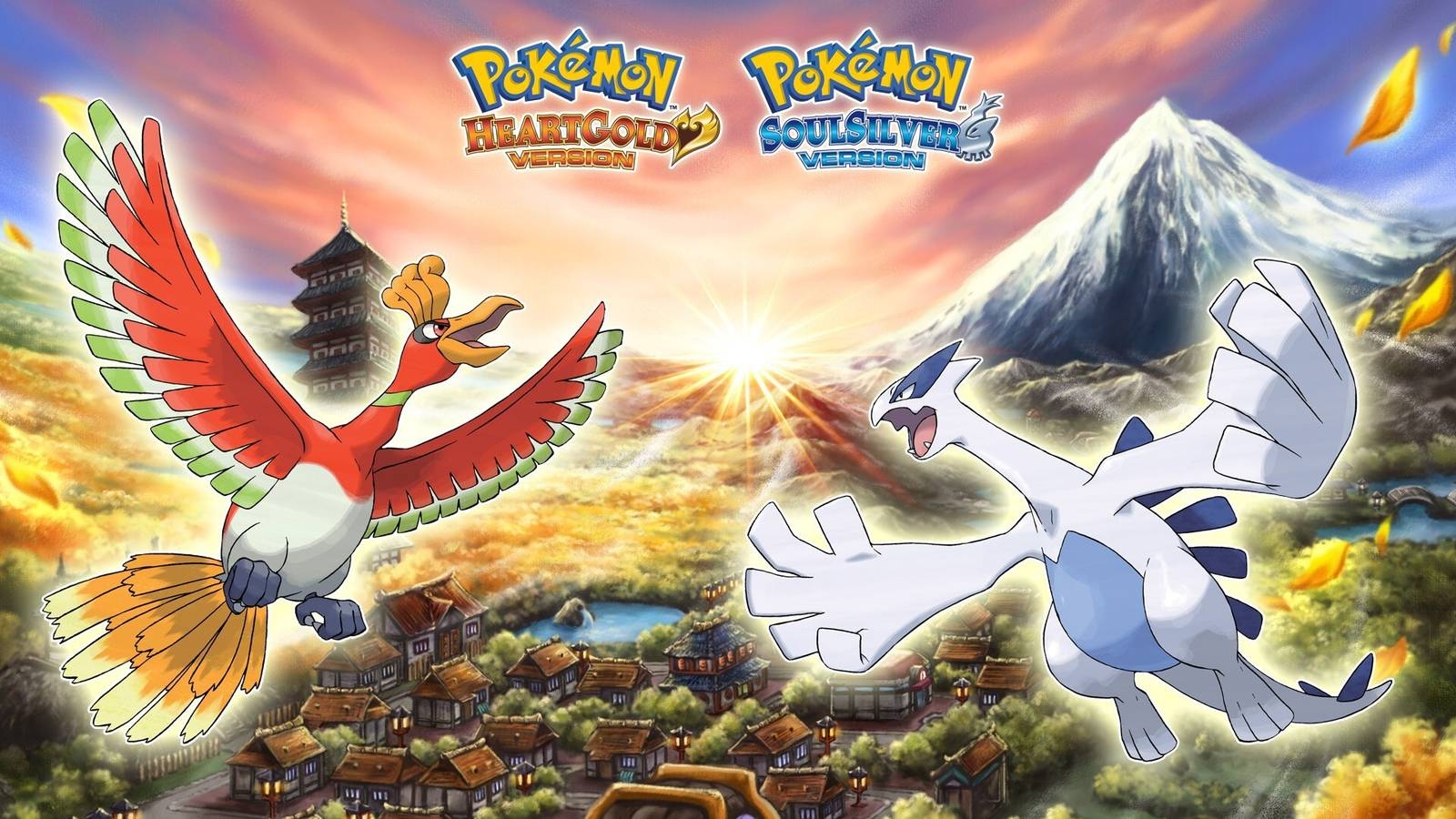
As The Pokémon Company approaches its 30th anniversary, its commercial strategy increasingly balances future releases with the systematic monetization of legacy intellectual property. The roll-out of collectible pin sets for Pokémon HeartGold and SoulSilver (2009) through the Japanese Pokémon Center—following commemorative releases for Pokémon Ruby, Sapphire, and Emerald (2002–2004)—illustrates an efficient IP exploitation model. Rather than relying exclusively on capital-intensive software development, the franchise utilizes low-overhead physical merchandise to capture consumer surplus across its mature player demographics.
Strategic Demographics and Portfolio Segmentation
Targeting the Game Boy Advance and Nintendo DS eras directly engages millennials and older Gen Z cohorts who entered the ecosystem during the transition between hardware generations. This demographic bifurcation serves two structural functions:
- Multi-Generational Portfolio Balance: While primary software efforts like Pokémon Winds and Pokémon Waves focus on onboarding younger audiences, archival merchandising sustains monetization among high-disposable-income veterans without cannibalizing new mainline releases.
- Asset Optimization: Reissuing physical collectibles based on established 2D and early dual-screen assets minimizes creative expenditures while capturing premium margins.
Fan Sentiment and Regional Scarcity Economics
The pivot toward Johto- and Hoenn-themed merchandise functions partly as community relationship management. In the wake of fan frustration surrounding unproduced projects like the rumored Pokémon Legends: Johto title, targeted merchandising reconciles unmet consumer demand with controlled corporate output. Furthermore, confining initial releases of the HeartGold and SoulSilver pins to the Japanese Pokémon Center creates synthetic scarcity, accelerating domestic retail velocity while stimulating secondary market demand globally.
Long-Term IP Longevity and Market Implications
Following the benchmark validation of titles like FireRed and LeafGreen on modern hardware platforms like the Nintendo Switch, nostalgia-driven merchandising serves as a low-risk gauge for audience appetite. By systematically honoring generational milestones, The Pokémon Company protects its core brand equity, preserves long-term affinity, and establishes operational blueprints for future remakes and archival retrospectives.