Nintendo Direct 2026: Strategic Dual-Platform Vision for Switch & Switch 2, Next-Gen IP Evolution
The Nintendo Direct on September 9, 2026, served as a definitive declaration of Nintendo’s forward strategy, outlining a meticulously planned dual-platform approach for its existing Switch console and the highly anticipated Nintendo Switch 2. This presentation went beyond mere game announcements, detailing a deliberate transitional ecosystem designed to optimize market presence, sustain user engagement, and drive future hardware adoption.
Navigating the Generational Shift: Nintendo’s Dual-Platform Mandate
Nintendo’s commitment to a dual-platform strategy is central to its next-generation rollout. By simultaneously catering to the expansive installed base of the original Nintendo Switch and cultivating an early adopter market for the Switch 2, the company aims to orchestrate a smoother, less disruptive generational shift. This approach mitigates the risk of alienating millions of existing users, ensuring a continuous revenue stream from software sales while strategically phasing in new hardware capabilities. The content roadmap unveiled exemplifies this, demonstrating a balanced allocation of resources for cross-generational support and exclusive next-gen experiences.
First-Party Franchises: Evolutionary Leaps and Strategic Diversification
Kirby Enters the Open World: “Kirby and the World Beyond”
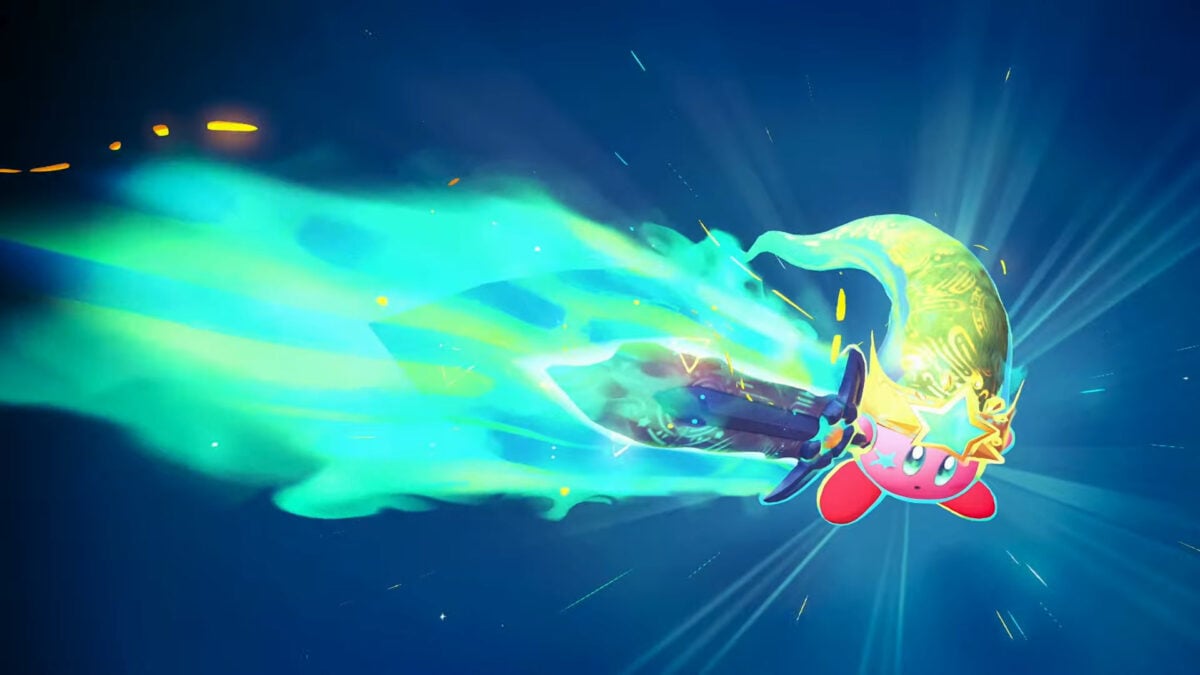
The announcement of “Kirby and the World Beyond,” slated for Spring 2027, signifies a profound strategic evolution for one of Nintendo’s foundational IPs. Moving beyond the linear 3D progression seen in “Kirby and the Forgotten Land,” this title plunges the character into an ambitious open-world adventure. This bold shift directly addresses prevailing industry trends favoring expansive player-driven environments and signals Nintendo’s intent to modernize core franchises and broaden their competitive appeal within the action-adventure genre.
The premise—Kirby wielding a large sword and possessing the ability to “smash open the sky”—suggests a significant expansion of gameplay mechanics and narrative scope. Visually, Kirby breaking through the sky to reveal a “world beyond” introduces a meta-textual layer, inviting player interpretation of the game’s boundaries. The presence of a “mysterious magical purple lady” (a probable antagonist, consistent with franchise lore), a “weird structure in the sky,” and a “mechanical giant snake” indicate a complex, multi-layered world designed for extensive exploration and diverse combat encounters. This strategic investment in a contemporary game design paradigm positions Kirby to attract a wider demographic and enhance the franchise’s market share and longevity.
Metroid’s Enduring Legacy: A New 2D Experience
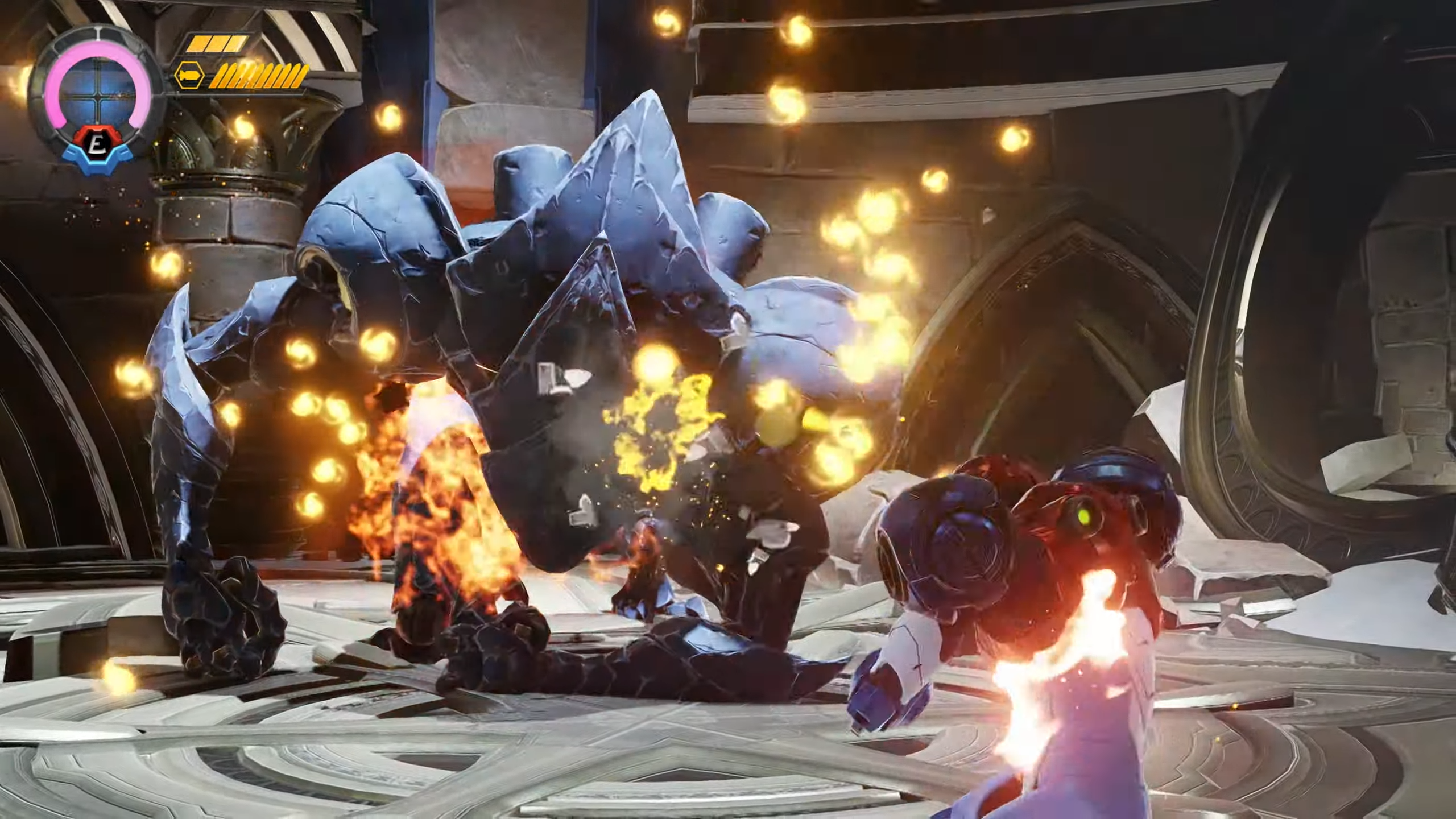
Complementing the evolutionary leap of Kirby, the reveal of a new 2D Metroid game underscores Nintendo’s commitment to its diverse first-party portfolio and its established fan bases. This strategic move ensures that traditional gameplay experiences, central to Nintendo’s heritage, are continuously supported and revitalized. It caters to a segment of players who value classic design principles, balancing innovation with the preservation of beloved genres within the company’s ecosystem.
Third-Party Synergy and Ecosystem Expansion on Switch 2
The Direct’s emphasis on robust third-party support is critical to the Switch 2’s market entry and long-term viability. Securing high-profile titles from major publishers ensures a diverse and compelling launch library, immediately establishing the new hardware’s competitive standing.
- Capcom’s “Monster Hunter Wilds”: A Nintendo Switch 2 port, complete with all updates, launching December 4, strategically anchors a major third-party franchise to the new platform. The subsequent “Ascendance” expansion in 2027 reinforces a long-term content roadmap, vital for sustained player engagement and recurring revenue.
- Square Enix’s “Final Fantasy 7 Revelation”: Launching April 8 with immediate pre-orders, this major title further expands the Switch 2’s global appeal, demonstrating Nintendo’s success in attracting significant publishing partnerships.
- Broadened Library with Proven Hits: The inclusion of three new Resident Evil titles and two Far Cry games as Switch 2 ports rapidly bolsters the platform’s content offerings. This strategy addresses potential content gaps in the early lifecycle, appealing to a broad audience seeking established, high-quality franchises.
Cross-Generational Content Enhancement and User Retention
Nintendo’s strategy extends to enhancing its existing popular titles, providing compelling incentives for both current Switch owners and prospective Switch 2 purchasers. This approach maximizes the value proposition of its software library and ensures continued engagement across generations.
- “Mario Kart World”: The announcement of “more maps” signifies ongoing content support for a perennial bestseller, extending its lifecycle and community engagement.
- “Pikmin 4”: A “comprehensive Switch 2 upgrade” offers a significant incentive for players to transition to the new hardware, leveraging the enhanced capabilities while rewarding existing fans.
Strategic Implications: Operations, Finance, and Market Position
This dual-platform transition carries profound operational and financial implications. Operationally, it demands sophisticated resource allocation for optimizing games across distinct hardware specifications, potentially increasing development complexity. Financially, it aims to maximize revenue by extending the commercial viability of the original Switch’s vast installed base while progressively driving sales of the Switch 2. The staggered release schedule of major titles reflects a deliberate pacing strategy, ensuring consistent market momentum and sustained consumer interest.
In the competitive landscape, this measured approach differentiates Nintendo from rivals often opting for abrupt generational shifts. By offering cross-generational support, Nintendo aims to foster greater brand loyalty, minimize churn, and secure a larger segment of its existing user base. The Direct’s comprehensive pipeline reinforces Nintendo’s market dominance, shaping consumer expectations and bolstering investor confidence ahead of the Switch 2’s full unveiling.
Institutional Vision and Ecosystem Resilience
The September 9, 2026, Nintendo Direct was more than a product showcase; it was a critical institutional communication, articulating a clear strategic roadmap for the coming years. It highlighted a balanced philosophy that prioritizes gradual ecosystem evolution, combining innovation in core franchises with robust third-party partnerships. The breadth of announcements, from new IPs to significant upgrades and ports, collectively portrays a healthy, vibrant, and resilient proprietary ecosystem.
Ultimately, Nintendo’s strategic posture for the next era is defined by a careful balance between continuity and innovation. The introduction of the Switch 2 alongside continued, thoughtful support for the original Switch underscores a commitment to sustained growth, strong developer relations, and a leading position in the global interactive entertainment market.