The Institutional Re-evaluation of Creative Divergence
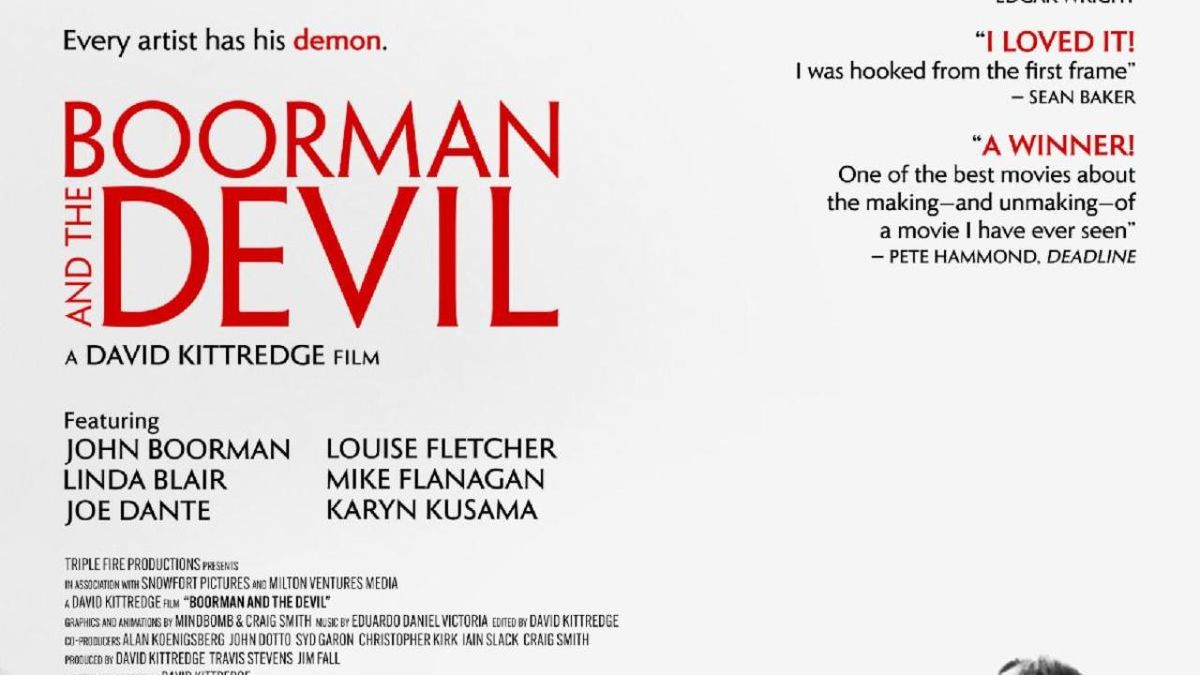
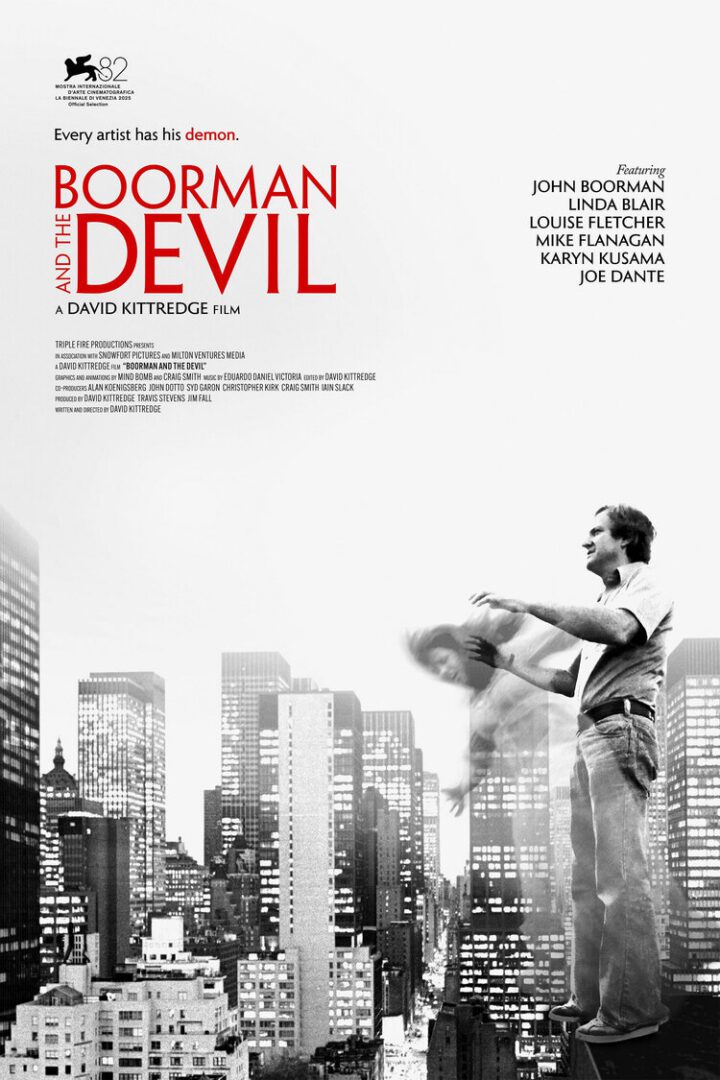
The premiere of David Kittredge’s documentary, Boorman and the Devil, on TCM signals a shift in the historiography of commercial anomalies. By dissecting John Boorman’s Exorcist II: The Heretic, the film provides an investigative post-mortem on the breakdown of franchise management. Warner Bros. originally sought to scale the visceral success of William Friedkin’s 1973 progenitor, yet the decision to grant Boorman absolute creative autonomy resulted in a fundamental ontological rift between market expectations and directorial intent.
Kittredge reveals that Boorman’s participation was contingent upon a total rejection of the original film’s narrative drivers. This strategic pivot—transitioning from a visceral exploration of evil to what Boorman envisioned as a metaphysical fairy tale—engineered a product that did not merely fail to meet audience expectations, but actively subverted them through stylistic abstraction.
Capital Allocation and the Risk of Brand Dilution
The 1970s studio system was characterized by high-stakes capital deployment based on the perceived leverage of auteur directors. The significant financial commitment from Warner Bros. to Exorcist II underscores this era’s reliance on ‘visionary’ leadership. However, by funding a sequel that shared only a nominal connection to its predecessor, the studio exposed its primary intellectual property to catastrophic brand dilution.
The documentary explores how the decision-making process bypassed the mechanical requirements of the horror genre in favor of an experimental approach that lacked a quantifiable demographic. This capital misallocation served as a structural catalyst for the industry’s eventual shift toward producer-led, risk-averse franchise models, as studios learned the dangers of decoupling a brand from its established tonal identity.
Operational Friction and Production Volatility
Through testimonies from the original production crew, Kittredge maps the operational friction inherent in Boorman’s process. The testimonies highlight a fragmented environment where technicians were forced to reconcile a ‘fairy tale’ aesthetic with the rigid requirements of a big-budget horror sequel. This lack of cohesive strategic direction resulted in a production that was as chaotic in its execution as it was in its reception.
Nearly fifty years later, this internal reckoning offers a longitudinal look at the professional impact of high-profile failure. The documentary serves as a repository for institutional memory, documenting how the absence of a unified creative-technical framework can destabilize even the most well-funded cinematic ventures.
The Auteur’s Defense and Long-term Franchise Management
Despite the backlash, John Boorman remains steadfast in his defense of the film’s artistic merit. This persistence exemplifies the eternal tension between individual expression and the institutional mandates of commercial cinema. From a strategic perspective, Boorman’s refusal to replicate the ‘smash hit’ formula was an act of creative insurgency, prioritizing personal legacy over stakeholder ROI.
The legacy of The Heretic is now inextricably linked to the evolution of the modern blockbuster. The fallout from this production accelerated the implementation of oversight mechanisms designed to ensure that sequels remain tethered to the core brand value. Boorman’s work remains a unique artifact: a moment when a director used studio capital to challenge the foundations of a franchise, resulting in a strategic experiment that failed the market but remains a subject of intense academic study.