
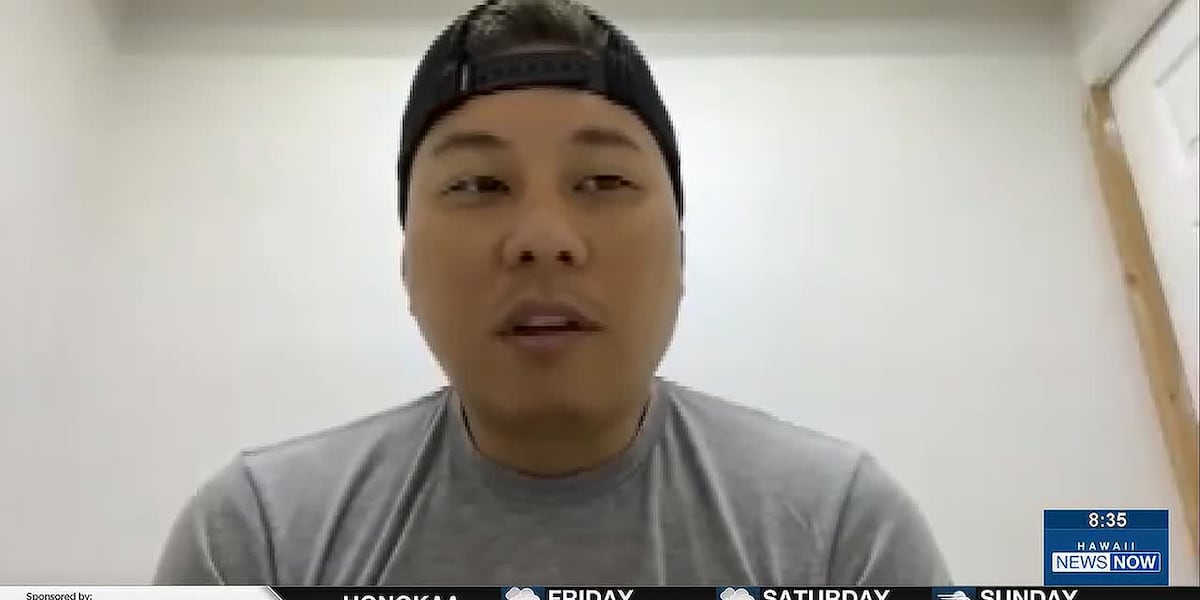
On September 24, 2024, federal law enforcement authorities in Honolulu executed the arrest of 44-year-old Sean Sakaida, a prominent figure in Hawaii scholastic athletics, on charges of receipt and possession of child pornography. Sakaida, the former head coach of the Moanalua High School girls’ wrestling program, was taken into custody following a criminal complaint filed in the U.S. District Court for the District of Hawaii. He currently remains in custody at the Federal Detention Center in Honolulu as investigators widen the scope of an inquiry that traverses more than a decade of athletic coaching.
Federal Allegations and Digital Evidence
The criminal complaint details a series of electronic interactions occurring between 2023 and 2024, alleging that Sakaida utilized the encrypted messaging platform WhatsApp to communicate with a minor. According to the U.S. Attorney’s Office, Sakaida received multiple sexually explicit photographs during these exchanges. The federal nexus of the case is established under interstate commerce doctrines, as the use of commercial telecommunications to transmit illicit imagery triggers federal jurisdiction. If convicted, Sakaida faces a mandatory minimum of five years and a maximum statutory term of 20 years in federal prison, alongside significant monetary fines and life-long supervised release.
Institutional Scrutiny and Historical Red Flags
The arrest has cast a harsh light on the administrative oversight of Hawaii’s scholastic athletic programs. Sakaida’s coaching career was marked by significant achievement, including four state championships at Moanalua and being named the 2024 National Wrestling Coaches Association Hawaii Coach of the Year. However, this professional success appears to have existed alongside a history of reported misconduct. In 2012, while coaching at Roosevelt High School, Sakaida was the subject of parental complaints regarding inappropriate 3:00 a.m. text messages and the alleged kissing of a 13-year-old student. Despite these formal warnings, Sakaida continued to operate within the state’s athletic ecosystem, eventually ascending to a high-profile role at Moanalua.
FBI Investigation and Victim Outreach
The FBI Honolulu Field Office has launched a comprehensive victim identification effort, creating a digital intake portal for former athletes and witnesses. Investigators have explicitly defined the period of interest as 2012 through 2024, coinciding with Sakaida’s tenure at multiple schools. Federal agents believe Sakaida targeted minor female wrestlers, using his position of authority to bypass typical social boundaries. The forensic analysis of seized electronic devices is expected to provide a deeper timeline of communications, potentially leading to superseding indictments as more witnesses come forward via the federal repository.
Systemic Implications for Scholastic Safety
The Sakaida case underscores critical vulnerabilities in inter-school personnel vetting and the enforcement of ‘safe-sport’ protocols. The transition from Roosevelt to Moanalua despite prior disciplinary flags suggests a lack of centralized record-keeping for athletic personnel. Educational institutions are now facing renewed pressure to audit their compliance with Title IX and internal safety mandates, particularly concerning coach-athlete digital communication. As the legal proceedings move toward a grand jury, the case serves as a pivotal moment for Hawaii’s athletic governance to reform oversight and ensure the protection of student-athletes.

Photo by quanganhsmiler on Pixabay.