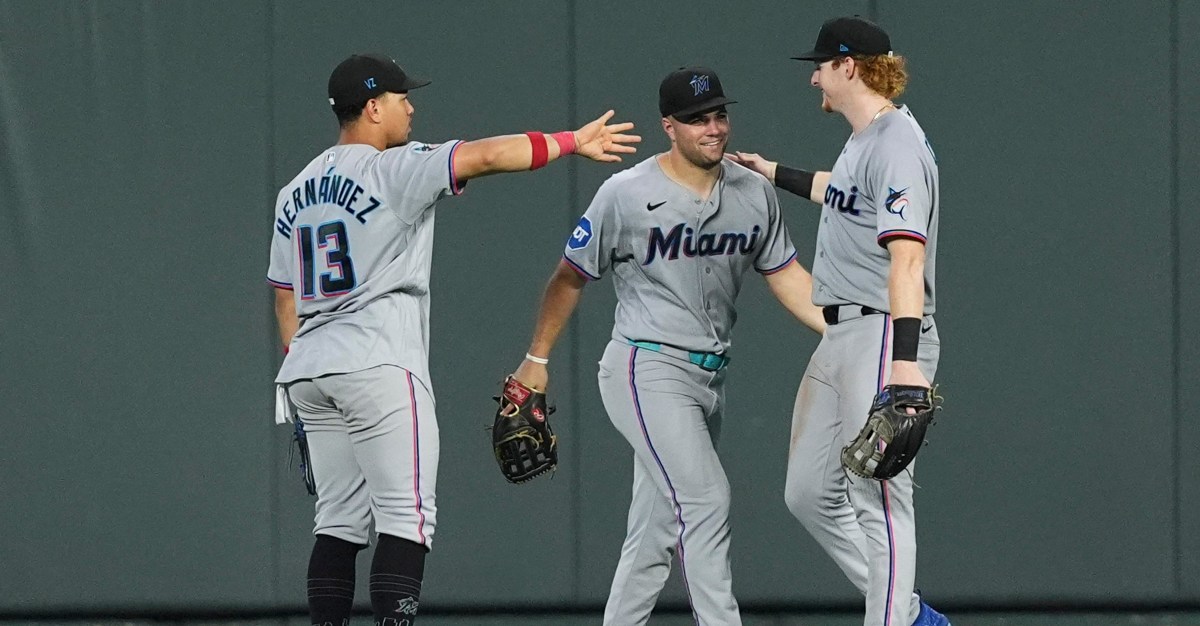
The Chicago Cubs enter their final regular season home series of 2026 at Wrigley Field with a notable pitching matchup advantage against the visiting Miami Marlins. Due to rotation schedules, the Cubs avoid facing Marlins ace Sandy Alcántara, allowing the coaching staff to face the same trio of Miami starting pitchers encountered earlier in Florida.
Recent momentum favors the hosts. Since their last meeting, the Chicago Cubs have posted a 6-6 record, highlighted by a 6-3 surge featuring three consecutive series victories. Conversely, the Miami Marlins arrive carrying a 4-8 mark over the same span, punctuated by a series sweep at the hands of the San Diego Padres.
Historical Context and Wrigley Field Metrics
At Wrigley Field, the Cubs hold a 67-55 regular-season home record against the Miami Marlins, contrasting with a 1-5 postseason mark against the franchise. During their last home set, the Cubs secured two victories in three contests. Historical continuity indicates that home sweeps are rare; the Cubs’ last home sweep of Miami occurred in May 2018.
Roster Construction and Performance Leverage
The Chicago lineup enters this critical sequence on an offensive surge, scoring at least four runs in four consecutive games and eight of their last ten. Meanwhile, outfielder Pete Crow-Armstrong approaches a historical milestone, needing five home runs to reach 50 for his career—a feat achieved by only two players in franchise history.
Lineup Adjustments and Managerial Strategy
Managerial decisions must account for key injuries, notably third baseman Alex Bregman remaining sidelined following a facial fracture. The coaching staff has implemented tactical shifts and positional reconfigurations to maintain defensive stability. The primary objective is securing a postseason berth for the second consecutive season, which can be clinched with a victory in the series opener.
Institutional Positioning and Media Impact
Broadcast partners Marquee Sports Network and radio carrier 104.3 The Score capture heightened viewer engagement as regional audiences monitor the playoff race. Reaching the postseason in consecutive years validates front-office roster construction and demonstrates organizational depth capable of absorbing high-profile injuries.