White House Ban Triggers Unprecedented Media Solidarity Boycott
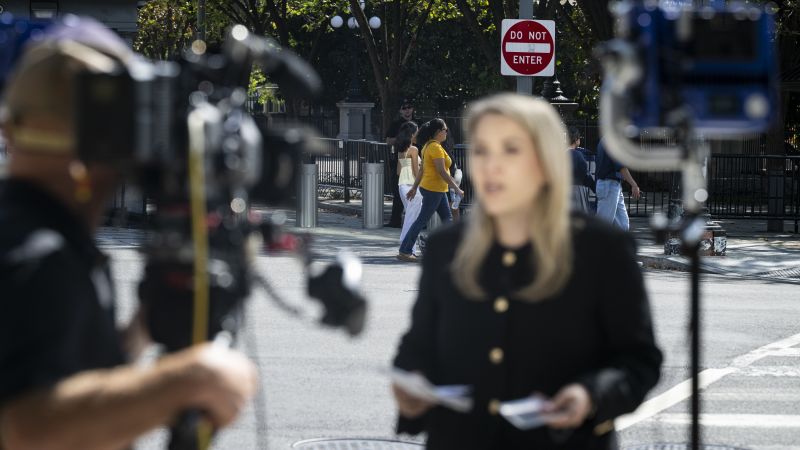
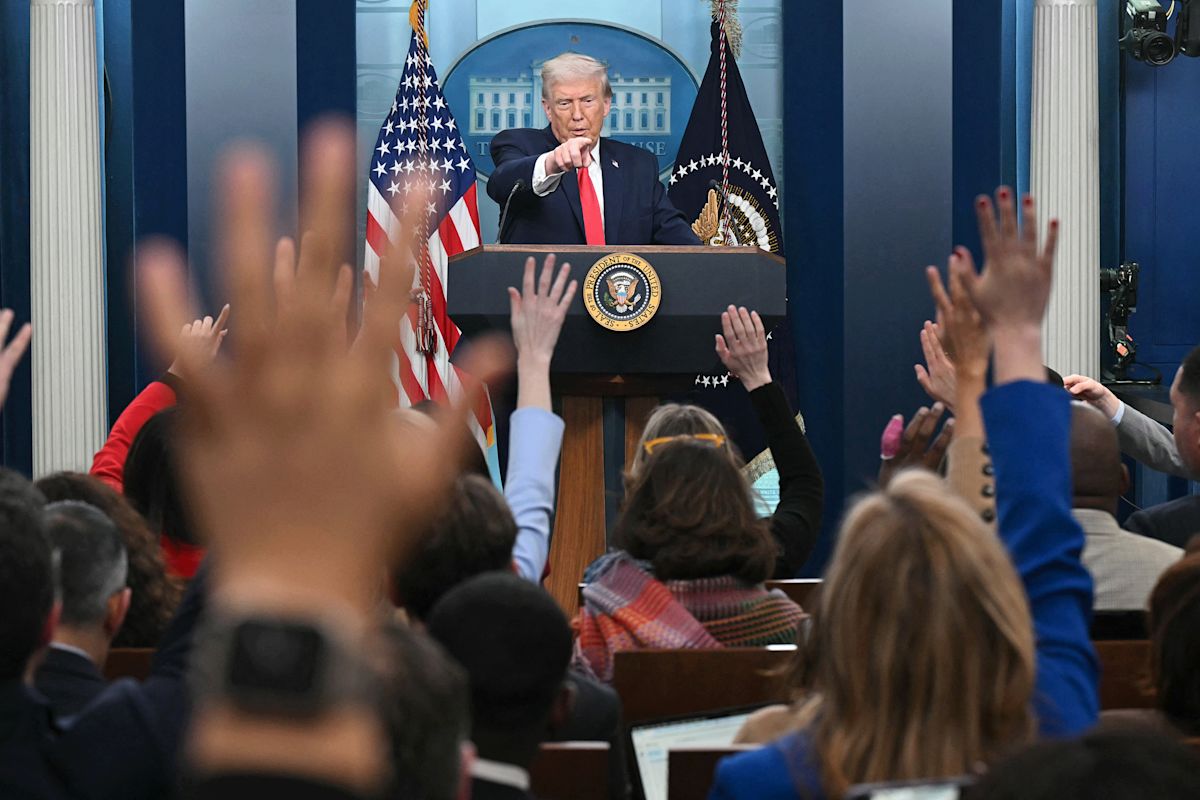
In a significant escalation of tensions, major news organizations have announced a collective refusal to publish White House pool photos. This action is a direct response to the Trump administration’s decision to ban reporters from CNN, MS NOW, and Politico from covering the president and his administration.
The boycott, initiated on Monday, sees The Washington Post, The New York Times, and HuffPost joining leading television networks—ABC, CBS, NBC, and Fox News—in opting out of the White House pool system. This pool is a critical mechanism for disseminating visual and audio documentation of presidential activities to the broader press corps.
Information Flow Disruption and Control
The White House pool operates on a rotating basis, with designated journalists and photographers documenting presidential events and sharing content. By barring specific organizations, the administration disrupts this established information flow, creating a void that other media entities are refusing to fill through their continued participation. This refusal directly impacts the administration’s ability to control its public narrative via official channels.
Strategic Battle Over Information Control
The administration’s ban on specific outlets and the subsequent media solidarity boycott highlight a strategic battle for information control. The development of “Trump TV,” announced shortly after the ban, suggests an intent to bypass traditional media gatekeepers and establish a direct communication channel with the public, mirroring strategies to circumvent critical journalistic scrutiny.
This development signals a potential shift in presidential-media engagement, moving towards preferential access for favored outlets and exclusion of dissenting voices. This could lead to further polarization of media consumption, with audiences increasingly relying on aligned sources.
Distributional Impact and Collective Advantage
The administration gains an advantage if it successfully establishes direct communication channels and diminishes the influence of critical reporting. Banned organizations and those boycotting face reduced access to official events. However, the solidarity boycott amplifies the message of participating media, demonstrating potential disruption to the administration’s public relations efforts and increasing their leverage.
Institutional Alignment and Precedent Setting
A joint statement from ABC, CBS, CNN, Fox News, and NBC underscores a rare alignment, emphasizing the principle of independent information access. This institutional response recognizes the importance of press freedom and the potential for normalizing restrictive access policies.
The current situation sets a precedent for future administrations’ interactions with the press, potentially leading to a more fragmented media landscape. The success of direct communication channels like “Trump TV” will be a critical factor in shaping these evolving relations.
Competitive Landscape and Systemic Effects
The competitive dynamic is influenced by preferential access for aligned outlets versus challenges for banned or boycotting organizations. The reliance of local and international media on the White House pool highlights the systemic impact. Disruption in this content supply chain can have cascading effects on global perception of the U.S. presidency.
Incentive Structures and Capital Investment
Maintaining access to the presidency is crucial for media reporting, advertising revenue, and market relevance. The administration’s incentive is to control its public image. The boycott represents a short-term cost for participating networks, likely calculated as a long-term investment in journalistic principles and institutional credibility, influencing capital investment and audience loyalty.
Performance Leverage and Stakeholder Impact
The administration’s performance leverage lies in shaping public perception independently of critical media. Media organizations’ leverage comes from their collective power to disrupt the administration’s communication strategy and rally support for press freedom. Stakeholders, including the public and policymakers, are impacted by curtailed access to diverse reporting.
Evolution Scenarios and Legal Challenges
One scenario involves the administration prioritizing direct-to-consumer communication, potentially leading to a bifurcated information environment. Alternatively, sustained pressure from a unified media front and legal challenges could prompt reconsideration of access policies. The outcome of lawsuits filed by CNN, MS NOW, and Politico will significantly influence the trajectory of these relations.
First Amendment Implications
Lawsuits invoking the First Amendment allege violations of free speech and press rights. This legal battle will scrutinize the administration’s actions against constitutional protections, potentially setting precedents for future presidential-media interactions. The outcome could affirm or restrict the press’s right to unfettered access.
Broader Ecosystem and Professional Solidarity
The disruption impacts local and international media relying on the pool. The solidarity shown by major networks in declining to replace banned pool crews is a powerful signal of industry interconnectedness, demonstrating that perceived infringements on one outlet’s rights are viewed as a threat to the entire profession.
The Role and Impact of “Trump TV”
The announcement of “Trump TV” introduces a new dimension to information control strategy. If successful, it could serve as a model for bypassing traditional media filters. Its operational details and content strategy will be critical in assessing its long-term impact on the media landscape and its ability to displace or discredit independent news sources.
Historical Context and Adversarial Dynamics
Tension between administrations and the press is recurring, but the current administration’s direct bans and the scale of media solidarity represent a significant departure. The administration’s leverage hinges on maintaining public support despite adversarial media relations, while media leverage derives from their collective ability to hold power accountable, challenged by access restrictions.
Market Signals and Capital Allocation
These actions send strong signals to investors. Commitment to journalistic principles, even at the cost of access, signals long-term value for media companies. The administration’s approach may signal prioritization of narrative control over journalistic norms. The financial viability of “Trump TV” and continued investment in independent journalism will indicate capital flow responses.
Consequences for Public Discourse and Trust
Reduced documentation of presidential activities can lead to a less informed citizenry, more susceptible to the administration’s narrative without independent verification. The adversarial relationship may contribute to further erosion of trust in institutions and a more polarized, less fact-based public debate.
Strategic Realignments and Innovation
The administration’s actions necessitate strategic realignments for news organizations. Banned outlets must find alternative information gathering methods, while boycotting organizations weigh solidarity against access loss. This situation could spur innovation in news gathering and dissemination but also raises concerns about traditional journalistic models’ sustainability.
Incentives for Future Interactions
The precedent set will influence future administrations and media. If the administration’s strategy proves effective in narrative control, subsequent presidencies may adopt similar tactics. Conversely, successful media action and legal challenges could reinforce the importance of open access and journalistic oversight.
Resource Deployment and Performance Metrics
Boycotting media may reallocate resources for independent reporting or legal defenses. “Trump TV” suggests significant capital investment in administration media infrastructure. The long-term viability of these investments depends on audience attraction and communication goal achievement. Performance of the administration will be judged on managing its public image directly, while media performance is measured by accountability efforts despite access limitations.
Accountability in the Information Ecosystem
The public’s ability to discern credible information from propaganda becomes a critical metric for the information ecosystem. The long-term health of democratic discourse depends on the press’s effectiveness in holding power accountable and the public’s critical evaluation of information.