
The Structural Shift in Independent Horror
The success of Curry Barker’s Obsession represents a pivotal case study in the evolving economics of independent horror. By integrating high-concept narratives with intense, character-driven performances, the film demonstrates how mid-budget productions can effectively compete with established studio franchises for market share.
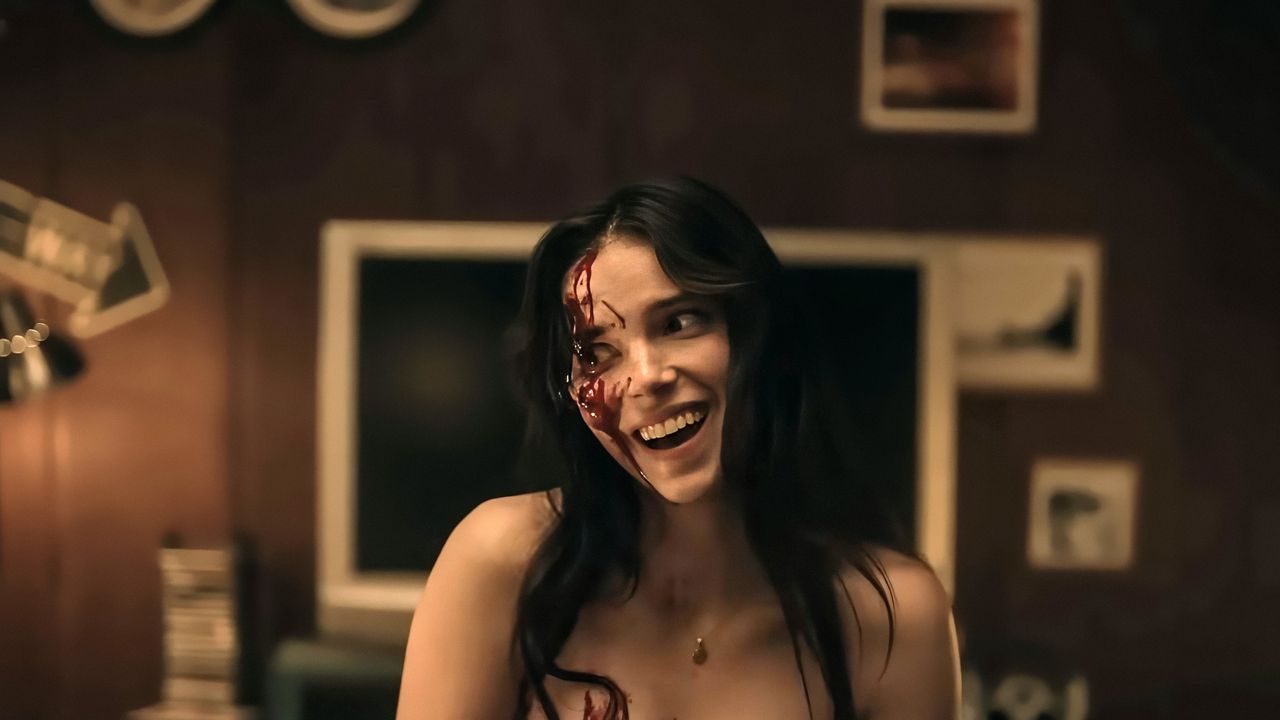
Anchored by Inde Navarrette’s performance as Nikki Freeman, the film highlights the role of actor-centric marketing within the digital ecosystem. Navarrette’s portrayal has become a central point for discourse, illustrating how nuanced acting can generate organic social media momentum, thereby reducing reliance on traditional high-cost advertising.
Operational Dynamics and Performance
Navarrette’s application of immersive preparation techniques mirrors the rigorous demands of modern psychological horror. This level of commitment offers a competitive advantage, as contemporary audiences increasingly prioritize depth over the generic archetypes prevalent in earlier horror cycles. The film’s narrative—utilizing a “Monkey’s Paw”-inspired premise paired with precise long-take cinematography—establishes a distinct visual identity that resonates with a horror-literate demographic.
The Economics of Audience Reception
A critical driver of the film’s reception is its subversion of the “jealous girlfriend” trope. By stripping the character of her agency and placing her in a state of involuntary entrapment, the film taps into specific psychological anxieties. The discourse surrounding the film’s granular character motivations suggests that viewers are engaging with it as a text for dissection, extending the content’s lifecycle well beyond the initial release.
Institutional Market Implications
The rapid success of Obsession indicates that independent producers are becoming increasingly adept at navigating modern media landscapes. By prioritizing performance-driven content, the production maintains a lean operational structure while achieving significant box office potential. Navarrette’s ability to embody complex emotional states positions her as a strategic asset, capable of anchoring projects that demand high technical precision.
Conclusion: Future of Independent Cinema
The trajectory of Obsession validates the viability of the independent model when executed with strategic intensity. As the industry recalibrates investment strategies, the success of this project serves as a foundational reference for the value of narrative innovation, suggesting that barriers to entry are shifting toward films that prioritize creative depth over extensive promotional overhead.