Institutional Reclassification: The ‘Critical’ Designation
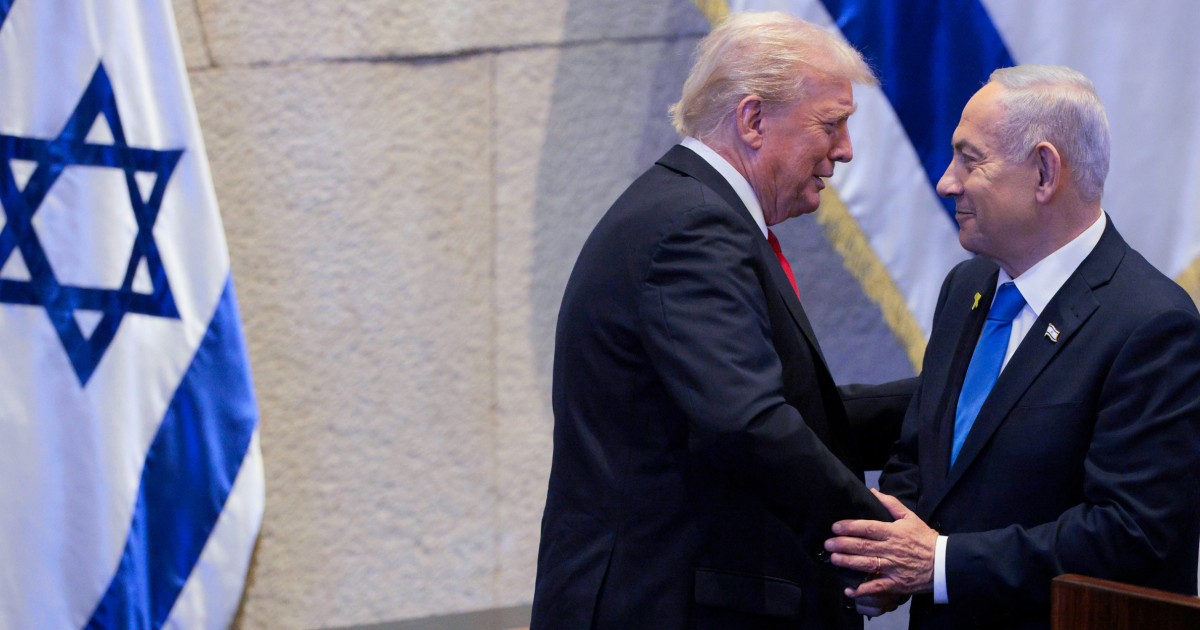
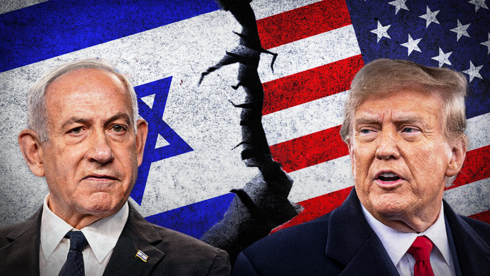
The Defense Intelligence Agency (DIA) has implemented a high-stakes administrative shift, elevating the counterintelligence threat level associated with Israel to “critical.” This designation, the highest within the U.S. security framework, indicates that the perceived risk of espionage now overrides traditional diplomatic exemptions. The move signals an institutional consensus that Israeli intelligence-gathering efforts have moved beyond standard liaison friction into an active disruption of U.S. internal deliberations.
The Seven-Page Assessment: Technical and Human Vectors
A restricted seven-page DIA assessment serves as the catalyst for this recalibration. The document details a surge in both signals intelligence (SIGINT) and human intelligence (HUMINT) operations targeting senior officials. By mapping specific threat vectors, the report identifies a sophisticated effort to penetrate the Trump administration’s private decision-making infrastructure. This data-driven analysis suggests that current Israeli operations are designed to bypass established U.S. security safeguards, necessitating an immediate hardening of communication protocols across the Department of Defense.
Strategic Asymmetry and the Iran Pivot
The primary driver of this intelligence escalation is a widening strategic rift concerning the Islamic Republic of Iran. As the U.S. pursues a specific diplomatic and military trajectory, Israeli leadership has reportedly perceived an information vacuum. Feeling marginalized in high-level ceasefire and regional security negotiations, Israeli agencies have allegedly increased unauthorized collection to anticipate U.S. policy shifts. This proactive posture aims to secure leverage, ensuring that Israeli national interests are protected even when excluded from formal diplomatic channels.
Internal Friction: Pentagon vs. Executive Branch
The reclassification has highlighted a notable disconnect between the U.S. intelligence apparatus and the executive branch. While the DIA’s technical assessment mandates a defensive posture, White House officials have publicly dismissed the findings as inaccurate. Simultaneously, the Israeli Embassy has issued a categorical denial, maintaining a policy of non-interference. This discrepancy suggests a complex internal struggle: the intelligence community is prioritizing threat mitigation and operational security, while the political wing seeks to preserve a foundational strategic alliance.
Operational Consequences and Long-Term Fallout
The ‘critical’ status mandates a more rigorous monitoring of personnel and a reassessment of encryption standards for officials involved in Middle East policy. Beyond immediate security adjustments, the move risks a long-term erosion of trust. If the U.S. defense establishment continues to view its closest regional ally as a primary counterintelligence concern, the frequency and depth of bilateral information sharing will likely contract. This reduction in transparency could lead to strategic miscalculations, as both nations navigate a volatile regional landscape with diminishing mutual confidence.