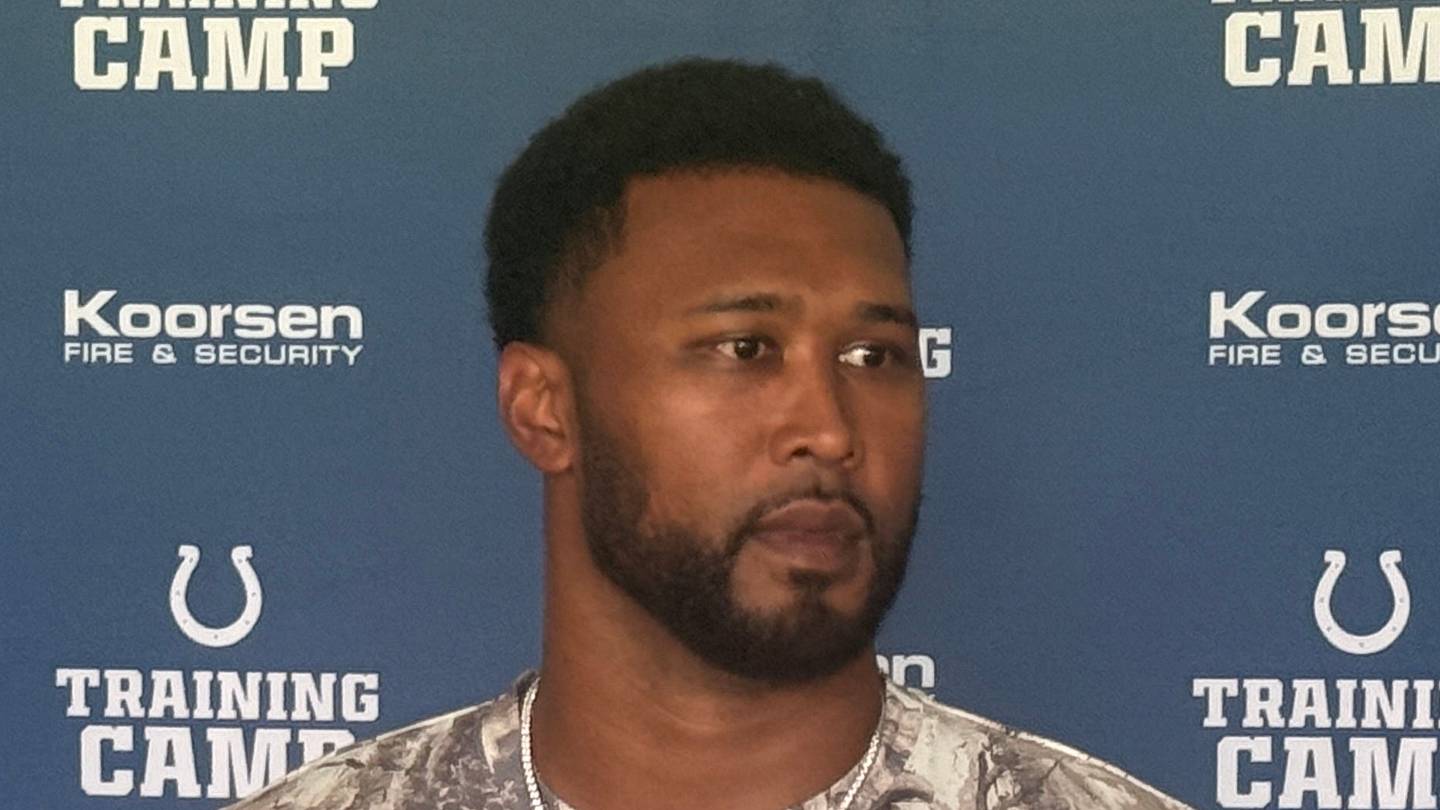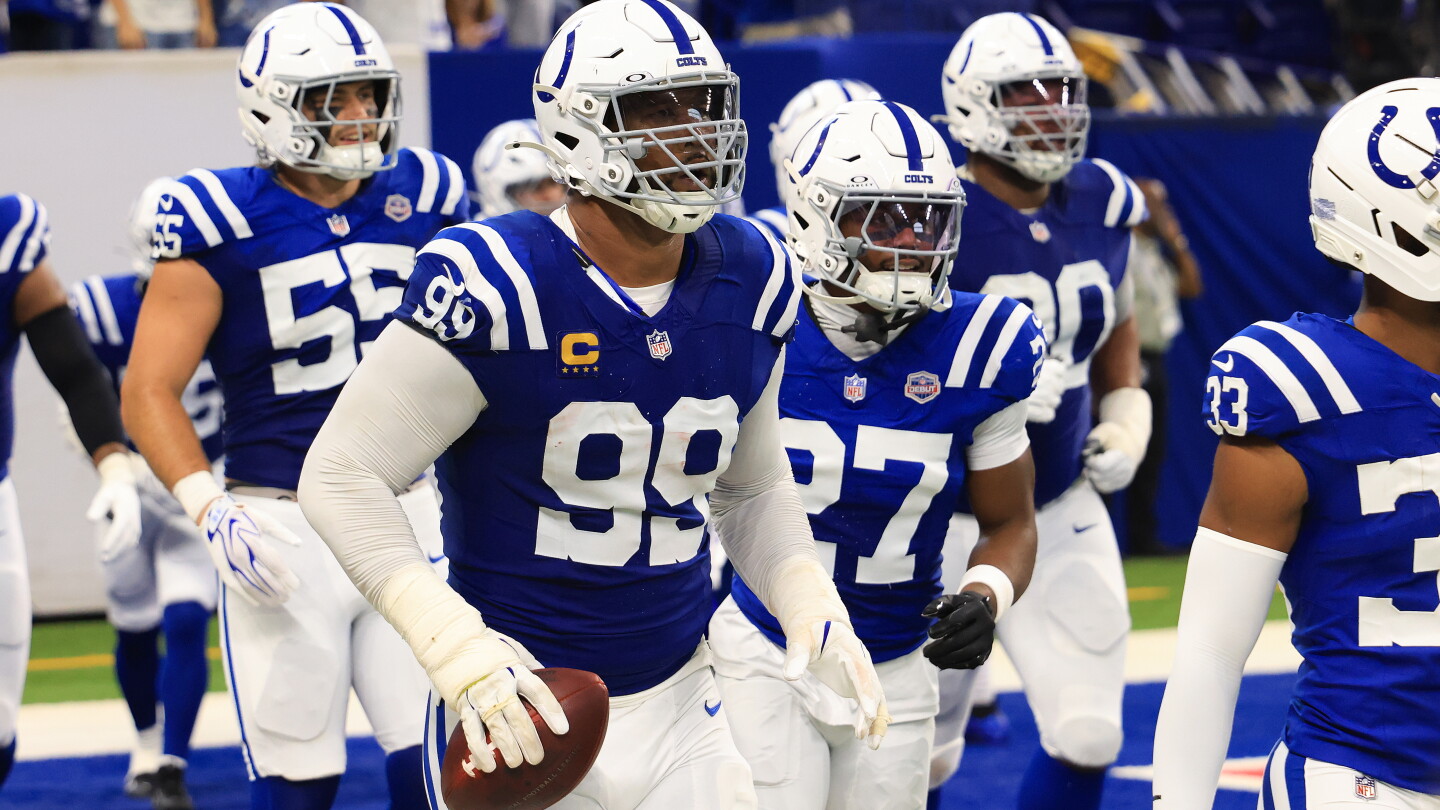
Entering Week 2, the Indianapolis Colts face mounting pressure following an opening-week defensive performance that surrendered 304 passing yards and 202 rushing yards. This output prompted immediate internal assessments regarding institutional standards and tactical execution. Defensive lineman DeForest Buckner characterized the performance as unacceptable, emphasizing that professional accountability demands immediate correction on the game tape.
The immediate operational challenge centers on the management of key personnel, specifically Buckner’s ongoing neck condition. Sustained during the 2025 campaign, the injury leaves the veteran defensive tackle listed as probable for Week 2 after missing Friday’s practice. At 32 years of age with over a decade of experience, Buckner is a critical pillar whose physical longevity dictates the defensive front’s operational ceiling.
Structural Realities of Aging Roster Assets
Buckner’s statistical profile highlights a broader structural shift common among veteran athletes. Prior to 2024, durability was a career hallmark, with only two missed games across multiple campaigns. Subsequent metrics reveal an upward trend in missed availability, totaling 12 absences since 2024, including seven matches sidelined during the previous year.
This physical attrition introduces strategic complexities for front offices balancing long-term roster construction with immediate competitive windows. As contracts near expiration, organizations weigh diminishing snap counts and heightened medical management against the costs of replacing elite production. With his current agreement concluding after the 2026 season, these realities frame discussions regarding Buckner’s career longevity.
Defensive Vulnerabilities and Tactical Adjustments
The opening-week defeat highlights systemic issues in run-stopping efficiency and containment. Head coach Shane Steichen explicitly identified open-field tackling as the primary operational breakdown. Addressing this requires immediate technical refinement in run fits and engagement angles to neutralize dynamic ball carriers.
Stakes are magnified by the upcoming matchup against the Kansas City Chiefs. Entering the contest as 6.5-point road underdogs, execution errors akin to those observed against Baltimore risk replicating catastrophic statistical concessions. Maintaining structural discipline against multifaceted offensive threats necessitates flawless coordination across all defensive tiers.
Competitive Implications in the AFC Landscape
Early-season deficits carry outsized weight within the AFC, where the margin for error remains exceedingly narrow. A subsequent defensive collapse would compound early momentum losses and validate external concerns regarding the unit’s baseline competence. Conversely, a resilient performance anchored by veteran leadership could reestablish institutional confidence.
Ultimately, the trajectory of the Indianapolis defense depends on the coaching staff’s ability to enforce tackling standards and optimize personnel deployment around health constraints. As the franchise prepares to face high-caliber execution, the collective response on the field will indicate the team’s competitive viability.