
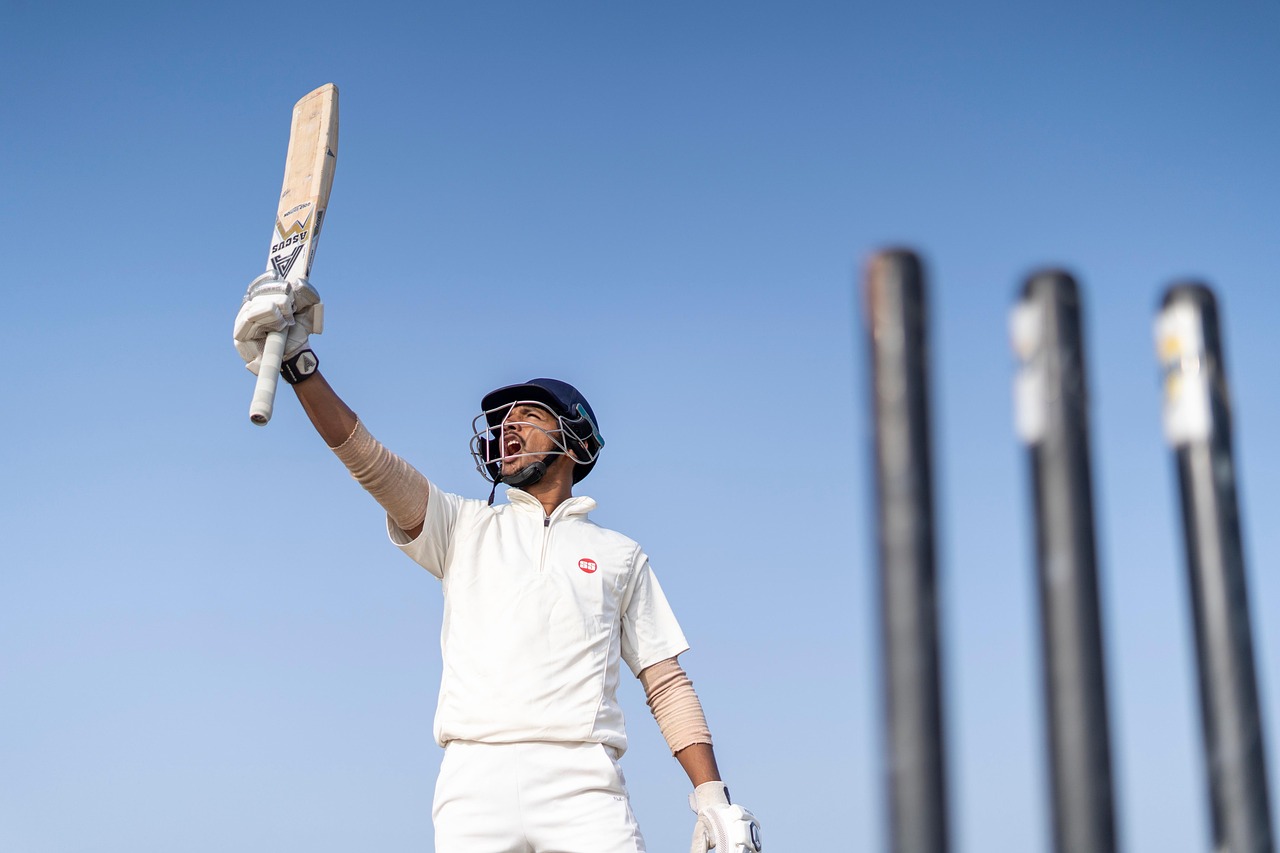
The series opener of the 2026 One Day International circuit between Australia and Zimbabwe at the Harare Sports Club has established a definitive benchmark for Australia’s evolving tactical architecture. Securing a 59-run victory, the Australian side demonstrated a sophisticated integration of aggressive top-order strike rotation and disciplined high-velocity bowling, effectively neutralizing Zimbabwe’s home-ground advantage.
Technical Calibration: The Renshaw Pivot
Matt Renshaw’s performance—a strike-rate-intensive 109 off 94 deliveries—represents a successful technical pivot in his multi-format career. By anchoring the innings while maintaining a scoring rate above 115 percent, Renshaw validated a shift in selection philosophy that prioritizes bridging the gap between traditional stability and white-ball volatility. This century served as the operational spine of the innings, allowing the middle order to navigate the Harare surface without the immediate pressure of a collapsing run rate.
Renshaw’s utility was further amplified by his defensive contribution with the ball, where a four-over spell yielded 1/32. This secondary role provides the Australian captaincy with critical flexibility, allowing for the aggressive deployment of specialist seamers like Josh Hazlewood and Billy Stanlake by mitigating the risk of the fifth-bowler quota.
Surface Dynamics and Tactical Miscalculations
Zimbabwe’s decision to bowl first proved a calculated gamble that failed to account for the rapid desiccation of the Harare Sports Club pitch. While early conditions offered marginal lateral movement, the Australian top order’s successful negotiation of the powerplay forced the Zimbabwean attack into defensive lines prematurely. The failure to restrict Australia to a sub-250 total placed an unsustainable burden on a batting lineup that eventually succumbed for 235 in 45.1 overs.
The 59-run margin highlights a significant disparity in middle-over efficiency. Australia’s ability to find boundaries contrasted sharply with Zimbabwe’s struggle to maintain momentum against elite pace. This outcome necessitates a re-evaluation of home-ground strategy, particularly when facing a bowling unit that combines Hazlewood’s metronomic precision with Stanlake’s vertical dimension and steep bounce.
Bowling Synergy: Precision and Velocity
The inclusion of Josh Hazlewood and Billy Stanlake signaled Australia’s intent to exploit specific soil and atmospheric conditions. Hazlewood acted as the attack’s anchor, inducing errors through relentless accuracy, while Stanlake’s return introduced a verticality that Zimbabwe’s top order struggled to manage. This structural balance ensures Australia can defend totals even on surfaces offering minimal assistance to spin.
Institutional and Global Context
The broadcast of this series via FanCode, ZBC TV, and Foxtel underscores the commercial viability of bilateral ODIs in 2026. This global visibility is essential for the market valuation of transitioning players. Furthermore, the oversight of match referee Andy Pycroft and on-field officials Alex Wharf and Langton Rusere maintained the technical integrity required for ICC ranking systems, ensuring that Australia’s 1-0 lead serves as a legitimate indicator of their standing in the international hierarchy.
Cover photo by yogendras31 on Pixabay.