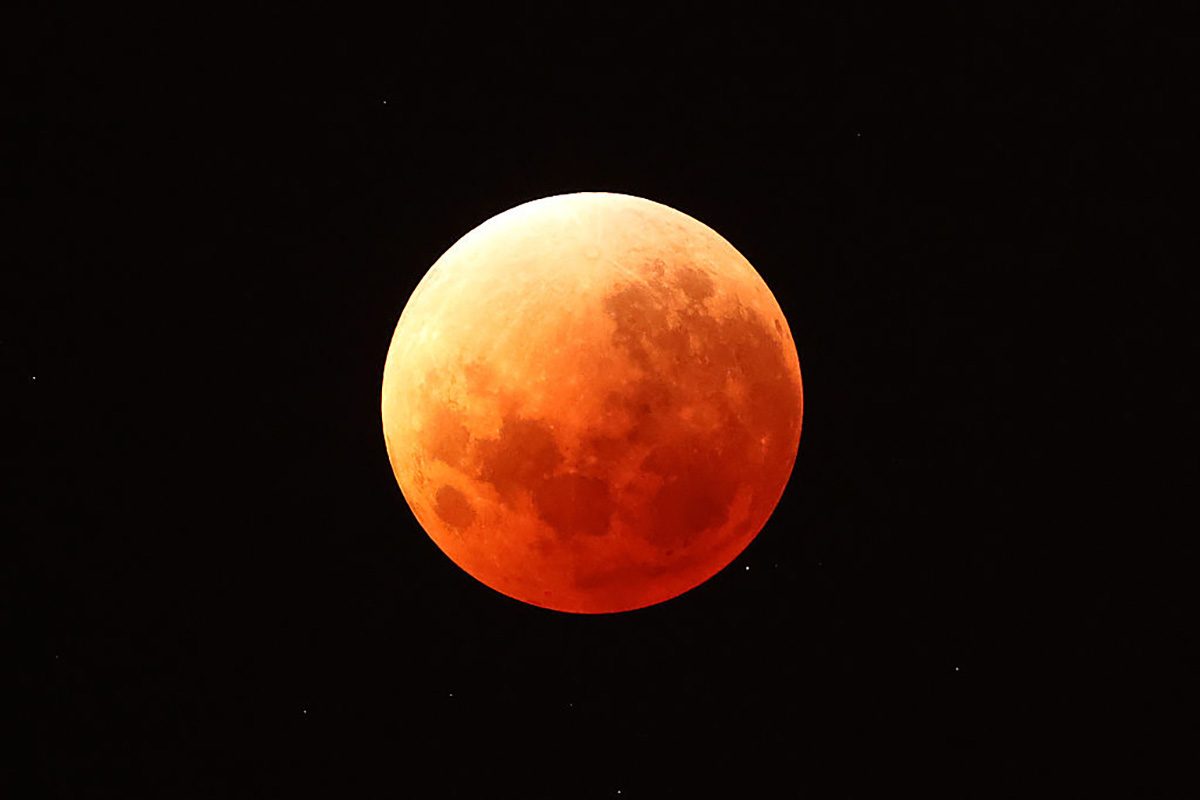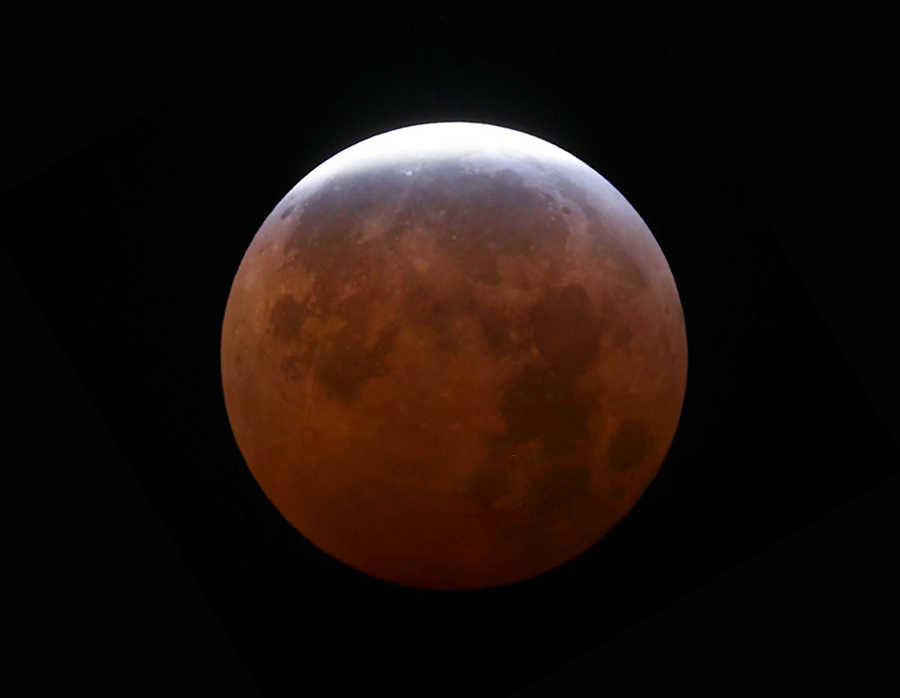
The deep partial lunar eclipse scheduled for August 27–28, 2026, represents the observational culmination of a high-density astronomical window. Occurring two weeks after the August 12 total solar eclipse and closely following the Perseid meteor shower, this event concludes an eclipse season governed by strict orbital geometry. Because eclipse mechanics dictate that syzygy alignments recur as the Moon crosses the ecliptic plane at opposite nodes, this sequence enables coordinated, multi-target observational campaigns across institutional and media domains, with geographic visibility focused on the Western Hemisphere.
Orbital Mechanics and Eclipse Season Dynamics
Eclipses operate in paired sequences determined by the intersection of the lunar orbital plane and the ecliptic plane. When the Moon crosses an orbital node during a solar eclipse, it inevitably reaches the opposite node roughly fourteen days later during full moon syzygy. The August 12 solar event established the nodal geometry that necessitates the August 27–28 lunar event. For research institutions, this predictable periodicity enables unified sensor deployment, orbital tracking calibration, and atmospheric data modeling across a continuous 30-day baseline.
Photometric Differentiation: Umbral Magnitude vs. Obscuration
The August 2026 eclipse features an umbral magnitude of 0.93 and an areal obscuration of 96%. This distinction is operationally significant:
- Umbral Magnitude (0.93): Quantifies the fraction of the lunar diameter immersed in Earth’s dark central umbral cone.
- Surface Obscuration (96%): Measures the total surface area covered by the umbra, leaving a 4% uncovered sliver along the northern limb within the lighter penumbra.
This 4% exposed crescent serves as a constant photometric reference, allowing optical sensors and spectrometers to benchmark baseline reflectance against the Rayleigh-scattered, long-wavelength red light illuminating the umbral region. Consequently, near-total events provide dynamic exposure controls that are unavailable during complete totality.
Hemispheric Exposure and Visibility Constraints
Peak obscuration occurs at 12:13 a.m. EDT on August 28 (04:13 UTC), centering the prime observational window directly over North and South America. However, high-latitude and western peripheral zones exhibit notable observational constraints:
- Continental Americas: Unobstructed visibility through the entirety of the penumbral, partial, and maximum phases.
- Hawaiʻi and Western Alaska: Excluded from peak obscuration due to moonrise timing relative to the umbral phase.
- Anchorage, Alaska: The Moon rises post-maximum with approximately 40% of its disk emerging from shadow, constraining full-phase umbral data acquisition.
Stratospheric Probing and Institutional Resource Allocation
The filtered reddish illumination during maximum obscuration acts as a diagnostic probe of Earth’s upper atmosphere. Variations in umbral hue and optical depth correlate directly with global aerosol loads, volcanic particulate concentrations, and stratospheric ozone distribution. Simultaneously, the predictable, low-flux illumination environment provides an operational testbed for calibrating low-light autonomous vision systems and space-situational optical tracking arrays.
Institutionally, the compression of the August 12 solar eclipse, Perseid peak, and August 28 lunar eclipse requires targeted capital and bandwidth allocation. While solar totality demands narrow-corridor deployment, the hemispheric reach and multi-hour progression of the deep partial lunar eclipse maximize aggregate observational uptime and public scientific engagement.