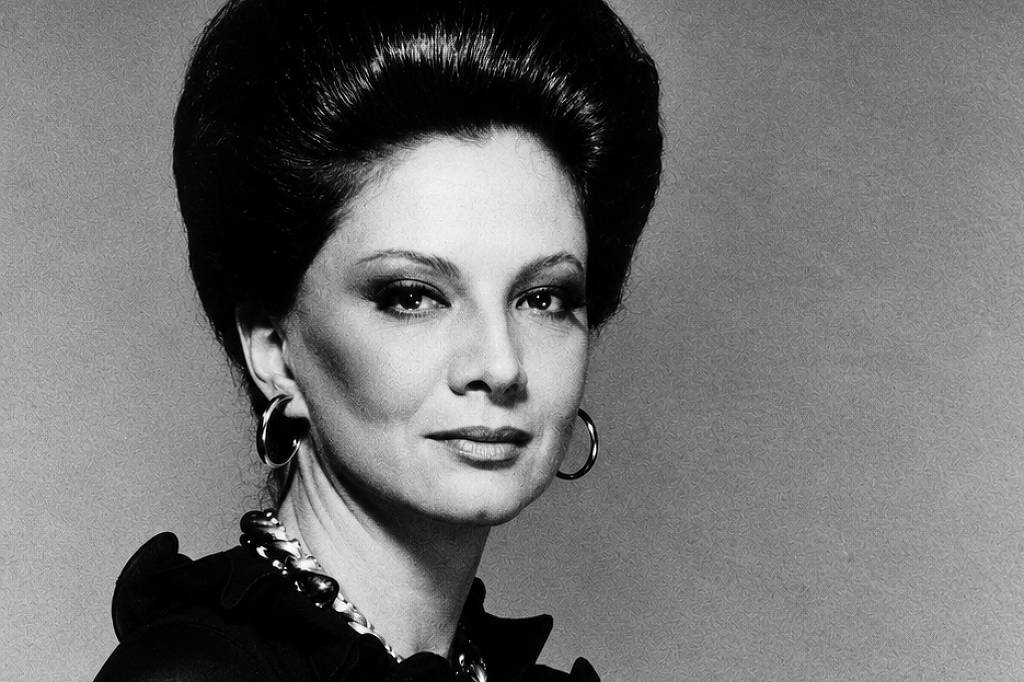
Gloria Menezes, Acting Icon and Brazilian TV Pioneer, Dies at 91
Gloria Menezes, a monumental figure in Brazilian theater, cinema, and television, passed away at her home in Rio de Janeiro on Tuesday at the age of 91. Her death signifies the conclusion of a distinguished era for an artist whose career, extending over six decades, was pivotal in shaping the trajectory of Brazilian audiovisual performance.
Menezes was a foundational presence in Brazilian teledramaturgy, critically acclaimed for modernizing on-screen acting techniques. Her prolific work, encompassing over 40 television productions where she masterfully portrayed both protagonists and antagonists, also introduced psychological naturalism to mainstream television, marking a significant artistic evolution for the medium.
Her enduring artistic and personal partnership with actor Tarcísio Meira, her late husband, became a celebrated national institution. This alliance was characterized by profound mutual respect and a collaborative spirit, fostering an environment of constructive critique that propelled their individual careers and solidified their status as an iconic couple in Brazilian entertainment.
While television served as her primary stage, Menezes also made significant contributions to theater and left an indelible mark on Brazilian cinema. Her performance as the tormented Rosa in Anselmo Duarte’s 1962 Palme d’Or-winning film “O Pagador de Promessas” garnered widespread critical acclaim, demonstrating her profound versatility beyond the small screen.
Born Nilcedes Soares Guimarães in Pelotas, Rio Grande do Sul, in 1934, Menezes initially pursued piano before relocating to the capital. This relocation preceded her pivotal pivot from music to the dramatic arts, a decision that profoundly reshaped her life and left an enduring impact on Brazilian culture.
Menezes’s television debut on Globo in 1967, as the heroine Doña Sol in “Sangue e Areia,” immediately established her as a leading actress. This role initiated a celebrated on-screen and off-screen romantic partnership with Tarcísio Meira, a bond that lasted nearly six decades until Meira’s passing in 2021, cementing their legacy as one of Brazil’s most enduring celebrity couples.
Her career was defined by a pioneering spirit, notably being hailed as the “first lady of TV” for her role in Brazil’s first daily telenovela. Her exceptional ability to embody diverse characters, from demure heroines to complex villains, cemented her reputation as a versatile and impactful performer throughout her extensive career.
Menezes’s dedication to her craft began with studies at the School of Dramatic Arts at the University of São Paulo (USP). There, she co-founded the Jovens Independentes theater group, a venture that led her to abandon formal studies for full immersion in the burgeoning independent theater scene, showcasing an early commitment to hands-on artistic exploration.
Her consistent presence on Brazilian television, featuring in over 40 telenovelas, miniseries, and serials, underscores her enduring appeal and prolific output. This sustained engagement provided a continuous platform for her to explore a vast array of characters, significantly enriching the nation’s cultural tapestry.
The critical success of her film debut in “O Pagador de Promessas” was a landmark early career achievement. The film’s Palme d’Or win at Cannes brought international recognition to both the production and its cast, including Menezes, highlighting her talent on a global stage and setting a high benchmark for her subsequent cinematic endeavors.
Throughout her career, Menezes displayed a remarkable capacity for inhabiting diverse roles, from the innocent Ana Preta to more complex characters, earning widespread recognition and critical acclaim. This adaptability ensured her continued relevance and impact across different eras of Brazilian television and film production, a testament to her enduring artistic prowess.
The strategic decision to leave formal academic pursuits for the experimental environment of the Jovens Independentes theater group reflects a broader mid-20th century trend in Brazilian arts. This choice prioritized immediate artistic engagement and collaborative creation over theoretical study, likely informing Menezes’s naturalistic performance style and her profound ability to connect emotionally with audiences.
The lasting success of the artistic and personal union between Gloria Menezes and Tarcísio Meira serves as a case study in sustained collaboration within the demanding entertainment industry. Their marriage and professional partnership of nearly six decades provided a stable anchor in a field often marked by transience, influencing perceptions of long-term commitment and shared artistic vision among both peers and the public.
Menezes’s impactful role in “O Pagador de Promessas” not only garnered international accolades for the film but also firmly positioned her as a significant talent in Brazilian cinema. Her portrayal of Rosa, a character navigating profound emotional turmoil, demonstrated a depth of characterization that transcended typical screen portrayals of the era, contributing significantly to the film’s enduring legacy.
The sheer volume of her television work, exceeding 40 telenovelas, signifies a deep integration into the daily lives of Brazilian households. This consistent exposure cultivated a strong audience connection, making her a familiar and beloved figure whose performances were eagerly anticipated and widely discussed, reinforcing the power of serialized storytelling in national culture.
Her early piano studies, though not directly linked to her acting career, likely instilled a discipline and appreciation for artistic expression that informed her performances. Foundational understanding of rhythm, timing, and emotional nuance inherent in musical training can significantly enhance an actor’s ability to deliver compelling and well-paced performances.
The legacy of Gloria Menezes extends beyond her individual performances; it is intrinsically linked to the institutional development of Brazilian television. As a pioneer in the medium’s nascent stages, her contributions helped establish the narrative structures, acting conventions, and production standards that defined the golden age of Brazilian telenovelas, influencing subsequent generations of creators and performers.
Her ability to transition seamlessly between the intimate setting of theater, the grand narratives of television, and the impactful storytelling of cinema highlights a rare breadth of talent. This versatility allowed her to engage with diverse artistic demands and audience expectations, ensuring her continued relevance and impact across various entertainment platforms throughout her career.
The recognition of her partnership with Tarcísio Meira as a “national patrimony” underscores the cultural significance of their union. In a society often focused on individual achievement, their enduring collaboration offered a powerful narrative of shared success and mutual support, resonating deeply with the public and elevating their status beyond mere celebrity.
The introduction of psychological naturalism in her performances was a critical development for Brazilian television. This approach moved away from more stylized or melodramatic acting, allowing for greater emotional authenticity and complexity, which resonated profoundly with audiences and elevated the artistic credibility of the medium.
Menezes’s career trajectory, from her early life in Pelotas to becoming a national icon, represents a journey of profound artistic discovery and dedication. Her decision to pursue acting, particularly through the independent theater route, underscores a commitment to a less conventional but ultimately more impactful path in the arts, shaping her unique contribution to Brazilian culture.
The consistent critical and popular acclaim for her roles, from her debut in “Sangue e Areia” to her later performances, demonstrates an unbroken chain of impactful work. This sustained level of performance excellence is a hallmark of truly significant artists, whose contributions continue to be recognized and valued over time.
Her extensive filmography, including seven feature films, complements her television work by offering diverse platforms for her talent. While “O Pagador de Promessas” stands as a pinnacle, her broader cinematic contributions demonstrate a commitment to exploring varied narrative forms and artistic challenges, enriching her overall artistic legacy.
The passing of Gloria Menezes represents not only the loss of a beloved actress but also the closing of a significant chapter in the history of Brazilian entertainment. Her pioneering spirit, artistic depth, and enduring partnerships have left an indelible mark, shaping the cultural identity of the nation through her powerful portrayals and lasting contributions to the performing arts.