Tectonic Dynamics and Stress Transfer in the Betic Cordillera
The 4.8 magnitude earthquake centered in Gójar marks an acute phase of geological readjustment within the Granada Basin, occurring days after a 5.2 magnitude precursor. The Instituto Geográfico Nacional (IGN) confirmed these events are intimately related, indicating active stress transfer across regional fault segments. Secondary shocks of magnitude 4.0 and 4.2 within the Gójar-Alhendín corridor reflect a high-frequency sequence where accumulated tectonic strain continues to release across adjacent faults in the Betic Cordillera.
As one of the most seismically active zones in the Iberian Peninsula, the Granada Basin presents structural challenges dictated by complex subsurface fault interactions. The concentration of epicenters beneath urbanized areas imposes strict operational demands on real-time seismological monitoring, emergency management, and municipal zoning frameworks.
Heritage Risk Mitigation: The Alhambra Protocol
The precautionary evacuation and temporary operational suspension of La Alhambra—Spain’s most visited cultural site—underscores the friction between mass heritage tourism and acute geological risk. Pre-modern architectural complexes lack the ductile engineering inherent in contemporary building codes, rendering them susceptible to cumulative seismic fatigue. Implementing an immediate evacuation protocol mitigates human life risks and secondary structural liabilities while technical teams conduct non-invasive stability audits.
This intervention establishes a precedent for managing ancient monumental assets under prolonged seismic swarm conditions, balancing site conservation with tourism-dependent revenue streams.
Macroeconomic Exposure and Urban Infrastructure Resilience
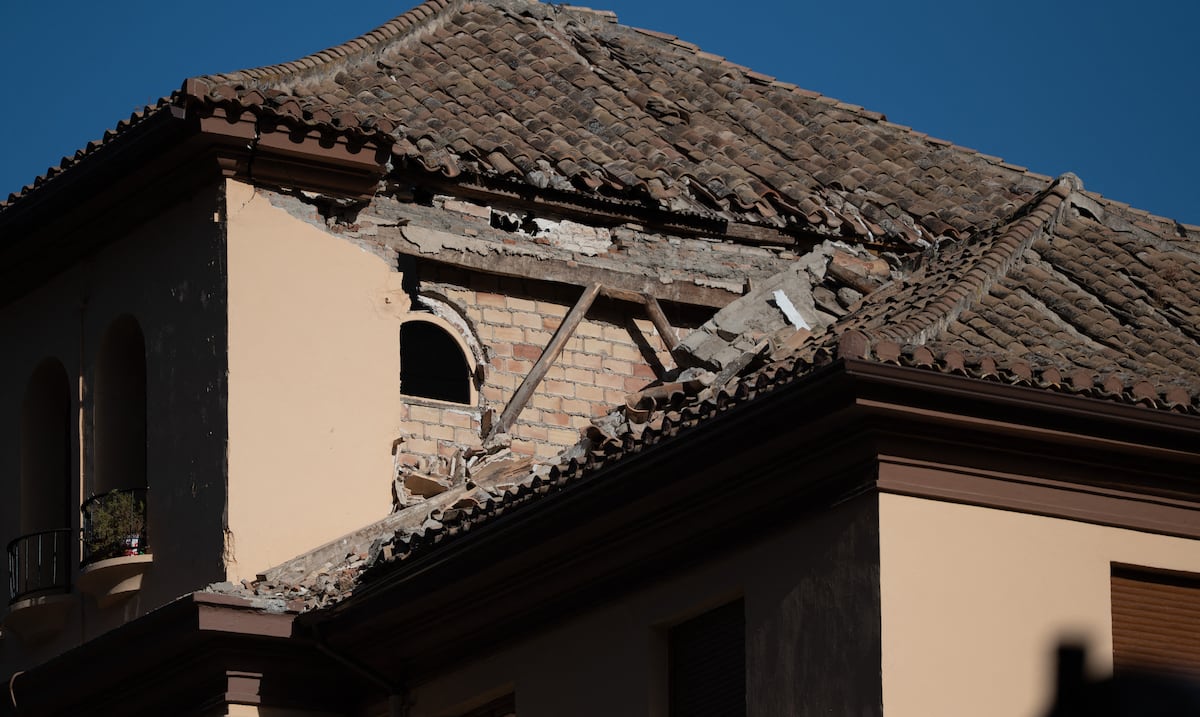
The sequence in Gójar and Alhendín has already produced tangible damage to vehicles and residential structures, exposing physical vulnerabilities across older segments of the Granada metropolitan area. Continuous low-to-medium magnitude shocks compound physical degradation, escalating remediation costs for municipal authorities and private insurers.
Sustained seismic volatility introduces uncertainty for regional hospitality, commercial real estate, and direct investment. Effective institutional risk communication, anchored by the IGN’s empirical data feeds, remains critical to reducing information asymmetry, managing market sentiment, and directing targeted civil protection resources to affected corridors.