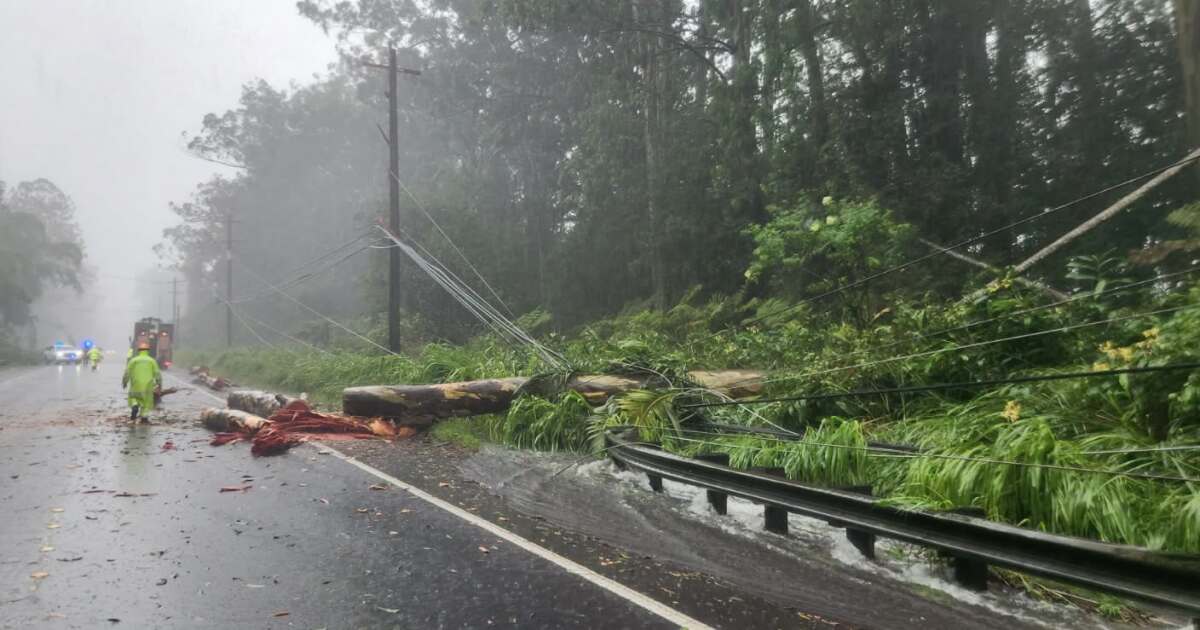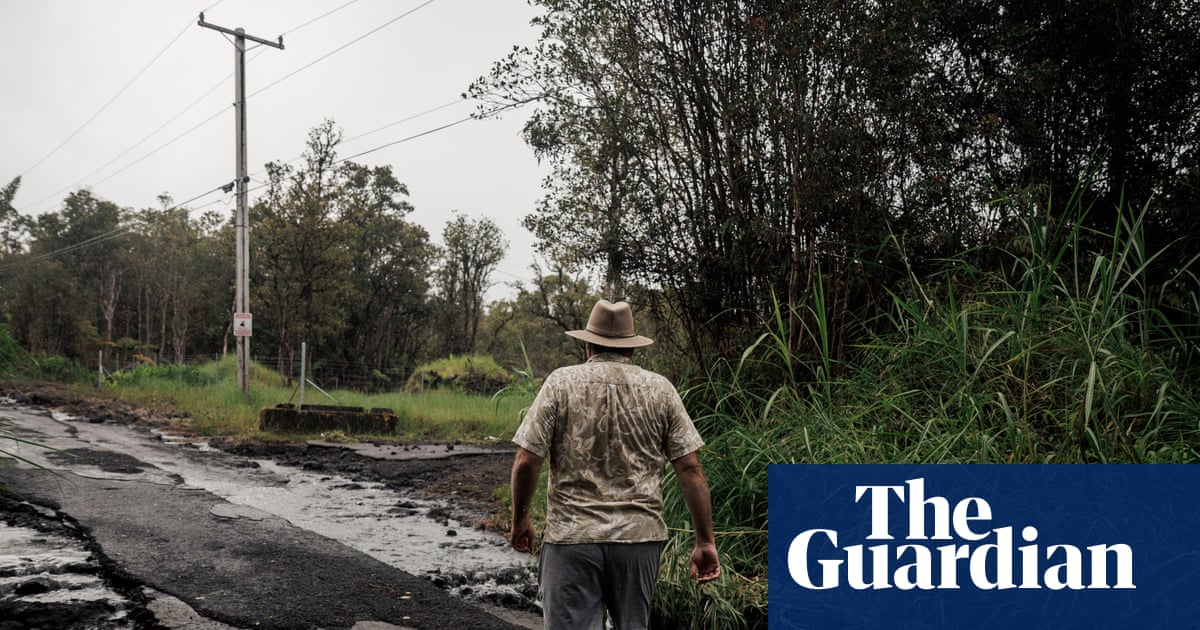
Hurricane Lala has inflicted catastrophic damage across Hawaii’s Big Island, severing communities and paralyzing critical infrastructure. The storm’s ferocity, marked by extreme rainfall and destructive winds, led to approximately 100 homes being swept from their foundations and the obliteration of at least six vital bridges in the Kaʻū District, isolating vast areas.
Widespread Infrastructure and Utility Failures
The immediate aftermath of Hurricane Lala has been defined by pervasive disruptions to essential services. Power grids bore the brunt, with initial outages affecting over 200,000 households, a figure peaking at 111,000 customers concurrently without electricity, according to Hawaiian Electric. Restoration efforts are underway, but officials project that power may not be fully restored to remote regions for several weeks, underscoring the inherent fragility of isolated infrastructure against severe weather events.
Communication networks also suffered a critical blow. The 911 emergency telephone system became inoperable island-wide due to cascading failures in phone and radio services. This necessitated the urgent dissemination of alternative emergency contact numbers, highlighting the absolute dependence on robust and redundant communication infrastructure during crises. The reliance on landlines and specific cell towers for emergency services exposes a systemic vulnerability in redundant communication pathways, a critical gap for disaster response.
Profound Economic and Social Repercussions
The physical devastation wrought by Lala translates into severe and lasting economic and social costs for the Big Island. The loss of residential structures and the destruction of essential infrastructure, particularly bridges, directly impede residents’ access to employment, healthcare, and commerce. The mayor’s stark description of “devastation” in the Kaʻū District, coupled with the extensive damage assessment of roads and bridges, points towards a prolonged period of reconstruction and economic hardship.
The displacement of roughly 100 homes from their foundations represents not only a significant loss of private assets but also a profound humanitarian crisis. The immense financial burden of rebuilding, compounded by potential income loss from damaged businesses and disrupted supply chains, will undoubtedly necessitate substantial external aid and comprehensive long-term recovery planning. This event also severely tests the capacity and efficacy of existing insurance and disaster relief mechanisms to address such widespread, localized destruction.
Expedited Emergency Response and Damage Assessment
Emergency management agencies and local authorities have rapidly initiated comprehensive damage assessment protocols. This includes utilizing aerial surveys, helicopters, and drones to meticulously evaluate the storm’s impact, with a particular focus on inaccessible and mountainous regions. This multi-pronged assessment strategy is crucial for effective prioritization of limited resources and the efficient coordination of immediate relief operations.
The confirmation of one fatality – a woman discovered deceased in Naalehu after being reported missing – serves as a somber reminder of the immediate life-threatening dangers posed by extreme weather. The limited immediate details surrounding the death indicate that search and rescue operations are ongoing and the full scope of the human impact is still being determined.
Strategic Imperatives for Disaster Preparedness and Resilience
The unfolding crisis following Hurricane Lala starkly illuminates persistent vulnerabilities in disaster preparedness and response frameworks, particularly for island jurisdictions. The widespread and prolonged power outages and communication failures underscore an urgent need for enhanced resilience in critical infrastructure, especially in regions highly susceptible to tropical cyclones.
The extensive damage to the road and bridge network in the Kaʻū District highlights the critical challenges of maintaining essential transportation arteries in areas prone to severe flash flooding and landslides. This necessitates a strategic re-evaluation of infrastructure investment priorities, potentially mandating more resilient design standards and implementing proactive, risk-based maintenance schedules for all critical transportation routes.
The significant operational strain on emergency services, exemplified by the 911 system outage, mandates an immediate review and enhancement of communication protocol redundancy and contingency planning. While alternative contact methods were a necessary immediate recourse, this incident reveals a broader systemic requirement for robust, multi-channel emergency communication capabilities designed to withstand catastrophic disruptions.
Long-Term Recovery Trajectory and Resilience Building
The recovery process for Hawaii’s Big Island post-Hurricane Lala is anticipated to be extensive and protracted. The sheer scale of infrastructure damage, particularly to its bridge and road networks, will demand substantial capital investment and sophisticated engineering solutions to restore vital connectivity and facilitate economic recovery.
Beyond the immediate rebuilding phase, there is a critical imperative to foster greater community-level resilience against future extreme weather events. This strategic shift may involve the adoption of enhanced building codes, the development of more sophisticated early warning systems, and the cultivation of deeper community engagement in preparedness planning. The significant economic impact on vital sectors like tourism and local businesses also requires targeted interventions to accelerate recovery and promote economic diversification.
This event serves as a potent and urgent reminder of the escalating frequency and intensity of extreme weather events, largely attributed to climate change. For geographically exposed regions like Hawaii, this necessitates a continuous, dynamic adaptation of disaster management strategies and an unwavering commitment to building sustainable, long-term resilience.
Stakeholder Exposure and Comprehensive Risk Management
Residents of the Big Island represent the most directly exposed stakeholder group to the immediate and long-term risks stemming from Hurricane Lala. Their exposure encompasses potential loss of life, severe property damage, displacement, and profound disruption to essential services and economic livelihoods. The financial burden of rebuilding and recovery will fall disproportionately on individuals and families, potentially exacerbated by insurance coverage gaps or insufficient disaster relief provisions.
Local and state government agencies face immense operational and financial challenges in orchestrating the disaster response and recovery phases. Their exposure includes fulfilling immediate relief demands, managing the complex logistics of infrastructure repair, and addressing the significant long-term fiscal implications of rebuilding and enhancing overall resilience. Reputational risk is also a material consideration, intrinsically linked to the perceived effectiveness and timeliness of their response and recovery operations.
Utility providers, such as Hawaiian Electric, bear substantial operational risk due to infrastructure damage and the considerable financial burden of system restoration. Their exposure is directly correlated with the resilience of their distribution networks against extreme weather phenomena and the substantial costs associated with repairs, which can subsequently influence future rate structures and long-term investment strategies.
The insurance industry is bracing for a significant influx of property damage claims, potentially leading to increased premiums or revised coverage terms for high-risk areas. Their exposure is contingent upon the projected frequency and severity of such events and the accuracy of their risk modeling and capital reserves.
Broader Economic Implications for Island Nations and Coastal Regions
The profound impact of Hurricane Lala on Hawaii’s Big Island carries significant broader implications for other island economies and vulnerable coastal regions globally. These regions often share characteristics such as limited landmass, concentrated populations, and critical infrastructure highly susceptible to extreme weather impacts.
The economic disruption experienced by the Big Island, ranging from damaged tourism infrastructure to the destruction of homes and businesses, vividly illustrates the systemic risks confronting economies heavily reliant on stable environmental conditions. This underscores the strategic necessity of diversifying economic bases and prioritizing investments in climate-resilient infrastructure to effectively mitigate future economic shocks.
The formidable challenges encountered in restoring power and communication to remote areas also spotlight the persistent digital divide and infrastructure disparities that can be critically exacerbated by natural disasters. Addressing these inequalities is paramount for ensuring equitable recovery outcomes and developing more inclusive resilience strategies across all vulnerable populations.
Key Regulatory and Policy Considerations for Future Preparedness
The extensive damage assessment and ongoing recovery efforts following Hurricane Lala are poised to significantly inform future regulatory and policy decisions concerning land use planning, building codes, and critical infrastructure development within Hawaii and similarly vulnerable regions. The sheer scale of damage to bridges and roads may precipitate a critical review of current engineering standards and environmental impact assessment protocols for essential infrastructure projects.
The prolonged and widespread power outages could also catalyze policy discussions focused on grid modernization initiatives, the accelerated integration of renewable energy sources, and the strategic development of microgrids to substantially enhance energy resilience. Such forward-looking initiatives aim to reduce dependence on centralized power systems that are inherently more vulnerable to catastrophic, widespread failure during extreme weather events.
Furthermore, this incident is likely to influence discussions surrounding disaster relief funding mechanisms and the equitable allocation of resources dedicated to preparedness and mitigation efforts. Policymakers will be tasked with determining optimal strategies to support community rebuilding and adaptation to a rapidly changing climate, carefully balancing immediate relief needs with crucial long-term resilience investments.
Media Narrative and Public Perception Dynamics
The media coverage of Hurricane Lala’s devastating impact, particularly vivid visual evidence of swept-away vehicles and destroyed homes, plays an indispensable role in shaping public perception and galvanizing support for crucial recovery efforts. The prevailing narrative of “devastation” in specific districts, as communicated by officials, powerfully emphasizes the profound human cost and the monumental scale of the challenge ahead.
Reporting on the widespread communication outages and the critical need for alternative emergency contact numbers also serves to highlight the operational complexities faced by authorities and underscores the paramount importance of clear, consistent, and timely public information dissemination during crisis situations. The effectiveness of these communication strategies directly influences public confidence and cooperation throughout the critical recovery phase.
The protracted long-term recovery process will continue to be a central focus for media outlets, offering a vital platform to track progress, illuminate ongoing needs, and advocate for sustained investment in resilience-building measures. This consistent media attention is indispensable for ensuring that the critical lessons learned from Hurricane Lala are translated into tangible, measurable improvements in disaster preparedness and response capabilities for future events.
Forward-Looking Outlook: Enhancing Preparedness and Response
The experience with Hurricane Lala provides an invaluable, albeit tragic, data point for refining future disaster preparedness and response strategies across Hawaii and other hurricane-prone regions globally. The catastrophic scale of damage to both residential properties and critical infrastructure necessitates a decisive shift towards a proactive approach to building resilience, moving beyond solely reactive recovery measures.
Substantial investments in advanced weather forecasting technologies, robust early warning systems, and comprehensive community-level preparedness programs will be absolutely paramount. The immense financial and human costs incurred as a direct result of Lala powerfully underscore the economic imperative of mitigating the impact of such extreme events through strategic, forward-thinking planning and critical infrastructure upgrades.
Ultimately, the successful long-term recovery from Hurricane Lala will be contingent upon a highly coordinated, multi-stakeholder effort involving governmental agencies, private sector partners, and engaged community stakeholders. The strategic focus must resolutely extend beyond immediate relief provisions to encompass sustainable rebuilding practices, targeted economic diversification strategies, and the seamless integration of climate adaptation measures into all facets of future development planning.