Recent fatalities at Eleven Mile Reservoir in Park County, Colorado, have catalyzed an institutional re-evaluation of high-altitude water safety management and resource allocation. The occurrence of two distinct incidents within a nine-day period exposes the logistical friction inherent in multi-agency recovery operations and the volatile environmental thresholds of alpine water bodies. These events highlight the systemic challenge of maintaining public access while managing the high-tier resource demands of remote incident response.
Multi-Agency Integration and Logistical Elasticity
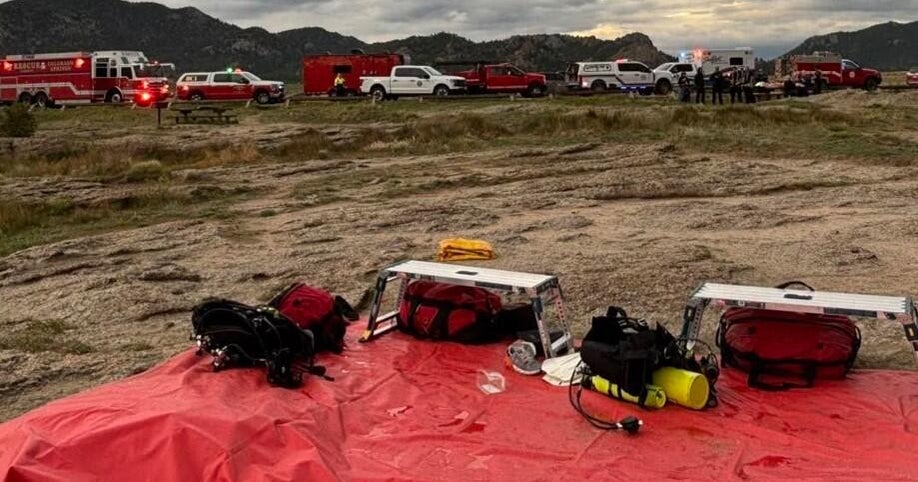
The recovery operation for a 28-year-old paddleboarder required an integrated response framework, bridging local rural infrastructure with metropolitan technical assets. Initial containment and medical standby were provided by the Hartsel Fire Protection District and South Park Ambulance District. However, the search escalated to require the Colorado Parks and Wildlife (CPW) Marine Evidence Recovery Team and the Colorado Springs Fire Department’s Dive Rescue team, illustrating a reliance on mutual aid agreements to bridge local capability gaps.
The transition from a rescue phase to a technology-dependent recovery mission was defined by the deployment of side-scan sonar. The seven-hour search duration reflects the significant technical obstacles posed by the reservoir’s complex underwater topography and variable thermal layers. The successful recovery at 10:45 p.m. validates the efficacy of these technical assets but also underscores the operational attrition faced by rural agencies when personnel are diverted for extended durations, potentially creating temporary coverage deficits in other jurisdictions.
Environmental Volatility and Vessel Dynamics
Atmospheric instability was a primary factor in the August 6 incident, where a 67-year-old kayaker capsized due to high-velocity wind gusts. At high altitudes, the window for successful intervention in cold-water immersion is exceptionally narrow; despite immediate civilian assistance and 30 minutes of advanced life support (CPR), the physiological impact of the environment proved insurmountable. This incident reinforces the need for predictive safety measures rather than reactive response.
In the subsequent incident, the use of a single paddleboard by two individuals significantly altered the vessel’s center of gravity and buoyancy, increasing the probability of a dual-immersion event. This configuration placed immediate pressure on civilian responders, as seen when a bystander swam from shore to assist one victim. Such reliance on non-professional intervention highlights the unpredictable nature of initial rescue phases and the critical role of bystander education in mitigating total fatality counts.
Institutional Risk Communication and Behavioral Modification
The Park County Sheriff’s Office and CPW have pivoted toward a high-gravity communication strategy, utilizing the “unthinkable” nature of these events to drive public compliance. This exercise of soft power aims to shift behavioral norms regarding personal flotation devices (PFDs) and vessel capacity without the overhead of increased physical enforcement. By emphasizing the technical difficulty and emotional toll of recovery, agencies are attempting to internalize risk perception within the visitor population.
Strategically, the recurrence of these drownings may force a policy shift toward dynamic closures during high-wind advisories or mandatory equipment inspections. Such interventions would require balancing public safety mandates against the economic contributions of the recreational sector. Currently, the institutional focus remains on managing the reservoir’s safety profile through data-driven risk communication and the demonstration of technical recovery capabilities.
Conclusion: Systemic Resilience in Emergency Services
The dual tragedies at Eleven Mile Reservoir serve as a stress test for Colorado’s rural emergency systems. While the technical execution of the recovery missions was successful, the incidents reveal the limitations of human intervention against rapid environmental shifts. Future risk mitigation will likely depend on refining the coordination between state-level assets like the Marine Evidence Recovery Team and local first responders, ensuring that logistical frameworks can sustain the pressure of high-traffic recreational seasons.