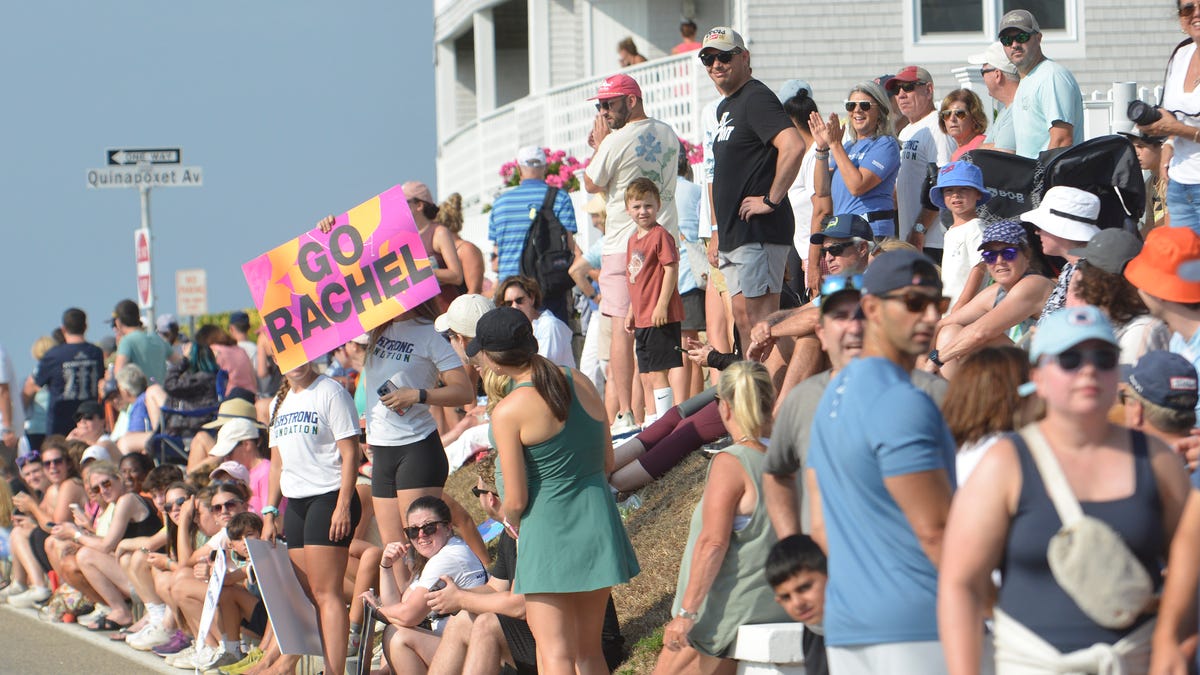
The 54th ASICS Falmouth Road Race, scheduled for Sunday, August 16, 2026, introduces a strategic adjustment to its operational and competitive execution on Cape Cod. Organizers have advanced the official start time by one hour, recalibrating the schedule across the race’s seven-mile coastal course.
This temporal recalibration directly addresses seasonal racing conditions, aiming to mitigate the impact of mid-morning summer heat on athlete performance. Concurrently, it necessitates an earlier activation of multi-agency public safety protocols, traffic closures, and maritime patrols across the town of Falmouth.
Operational Restructuring and Race-Day Schedule
The revised timetable commences with the elite wheelchair competition at 7:40 a.m., followed by structured wave starts for the general field concluding at 8:04 a.m. The earlier start is designed to enhance runner welfare by capitalizing on cooler early-morning temperatures before coastal heat intensifies.
Municipal coordination begins well in advance of the gun. Strict parking bans take effect at 2:00 a.m. in designated zones, including Woods Hole Village, Clinton Avenue, Robbins Road, and Falmouth Heights. Vehicles remaining in these zones are subject to immediate ticketing and towing to ensure unimpeded course setup.
Road closures are implemented in phased tiers, initiating at 4:00 a.m. on Grand Avenue South between Walden Avenue and Worcester Court. By 4:30 a.m., Woods Hole is secured with access restricted exclusively to authorized traffic, while maintaining vehicle access for the Woods Hole Steamship Authority until 7:00 a.m.
Traffic Management and Rolling Road Reopenings
At 7:00 a.m., all roads along the seven-mile race corridor close entirely to non-authorized vehicular traffic. This hard closure ensures that course marshals, medical staff, and timing crews can fully secure intersections prior to the first wheelchair wave.
Rather than reopening town roads simultaneously, the Falmouth Police Department and transportation agencies will execute a rolling reopening plan. Sections of the route will be cleared and reopened incrementally once the final runner has passed and breakdown crews have removed temporary infrastructure from the roadway.
Comprehensive Safety Architecture and Perimeter Control
Public safety operations represent a synchronized effort between the Falmouth Police Department and regional and state partner agencies. The safety blueprint incorporates multi-domain monitoring, including mandatory physical bag checks at designated access points throughout spectator areas.
Airspace security is enforced through an active No Drone Zone, strictly prohibiting both commercial and recreational unmanned aircraft systems along the entire race route. This policy eliminates potential hazards to large spectator concentrations and prevents aerial interference with race operations.
Maritime security protocols introduce a designated No Boat Zone along coastal stretches adjacent to the race route. Restricting private vessel navigation in these areas near Vineyard Sound establishes a sterile maritime buffer zone, preventing unauthorized waterborne approaches adjacent to Surf Drive.
Elite Field Dynamics and Tactical Evolution
The 2026 edition continues Falmouth’s tradition as the culminating fixture of the U.S. summer road racing circuit. The competitive roster is robust, featuring 11 Olympians and Paralympians, 14 U.S. national champions, and eight former event winners, ensuring a high tactical caliber across the field.
Historically, the seven-mile course has influenced race strategy, tracing back to the 1970s rivalry between Frank Shorter and Bill Rodgers. In that foundational era, decisive breakaways often occurred around mile 3, where the route emerges from rolling terrain and tree canopy to meet the open expanse of Vineyard Sound along Surf Drive.
As professional field depth increased over subsequent decades, the tactical inflection point shifted deeper into the race, frequently occurring beyond Falmouth Marine at approximately 5.5 miles. The one-hour schedule advance alters the ambient wind and temperature profile along these exposed coastal segments, introducing new strategic variables for elite contenders navigating the final miles into Falmouth Heights.