Digital Forensics and Behavioral Timeline Construction
The evidentiary framework in the Lindsay Clancy murder trial relies heavily on digital forensic analysis extracted from mobile devices and residential network hardware. Massachusetts State Police investigators presented data logs spanning months prior to the January 2023 incident in Duxbury, establishing a chronological record of online interactions and private device usage to evaluate cognitive state and intent.
Mobile Device Data and Self-Affirmation Logs
Trooper Timothy Chiappini presented data extracted from Clancy’s mobile phone, focusing on critical activity windows on the day of the deaths, including Google searches and outgoing text messages. The extraction also revealed stored notes from October 2022 containing explicit self-affirmations regarding her ability to overcome postpartum anxiety and depression. While the defense frames these entries as evidence of an ongoing struggle with severe perinatal mental conditions, prosecutors utilize the chronological sequence to argue functional cognitive awareness.
Network Hardware and Clinical Search Analysis
Sergeant Kyle Pavao of the State Police cybercrime unit testified regarding data retrieved from a shared household tablet. Technical examination revealed access logs from August 23, 2022, visiting a Wikipedia entry on suicide methods, along with repeated search queries for regional psychiatric care options and treatment facilities. These network artifacts allow cybercrime investigators to reconstruct precise access timestamps and behavioral research patterns over an extended timeline.
Prosecution Strategy vs. Postpartum Psychosis Defense
Assistant District Attorney Jennifer Sprague and the Plymouth District Attorney’s office contend that Clancy acted with deliberate intent in the strangulation deaths of five-year-old Cora, three-year-old Dawson, and eight-month-old Callan. The prosecution uses procedural and digital artifacts to demonstrate deliberate action and functional comprehension.
Defense attorney Kevin Reddington does not contest the physical acts resulting in the fatalities. Instead, the defense strategy focuses entirely on establishing that Clancy suffered from postpartum psychosis, arguing that severe clinical impairment rendered her incapable of criminal responsibility under statutory standards.
Forensic Pathology Testimony and Probative Admissibility
Dr. Renee Stonebridge of the Office of the Chief Medical Examiner presented anatomical and pathological autopsy findings for all three children. Defense counsel Reddington formally objected to Judge William Sullivan regarding the inclusion of explicit pathological details, arguing they were legally unnecessary given the undisputed cause of death. Judge Sullivan overruled the objection, balancing the probative value of primary pathological evidence against potential jury prejudice.
Courtroom Decorum and Behavioral Observations
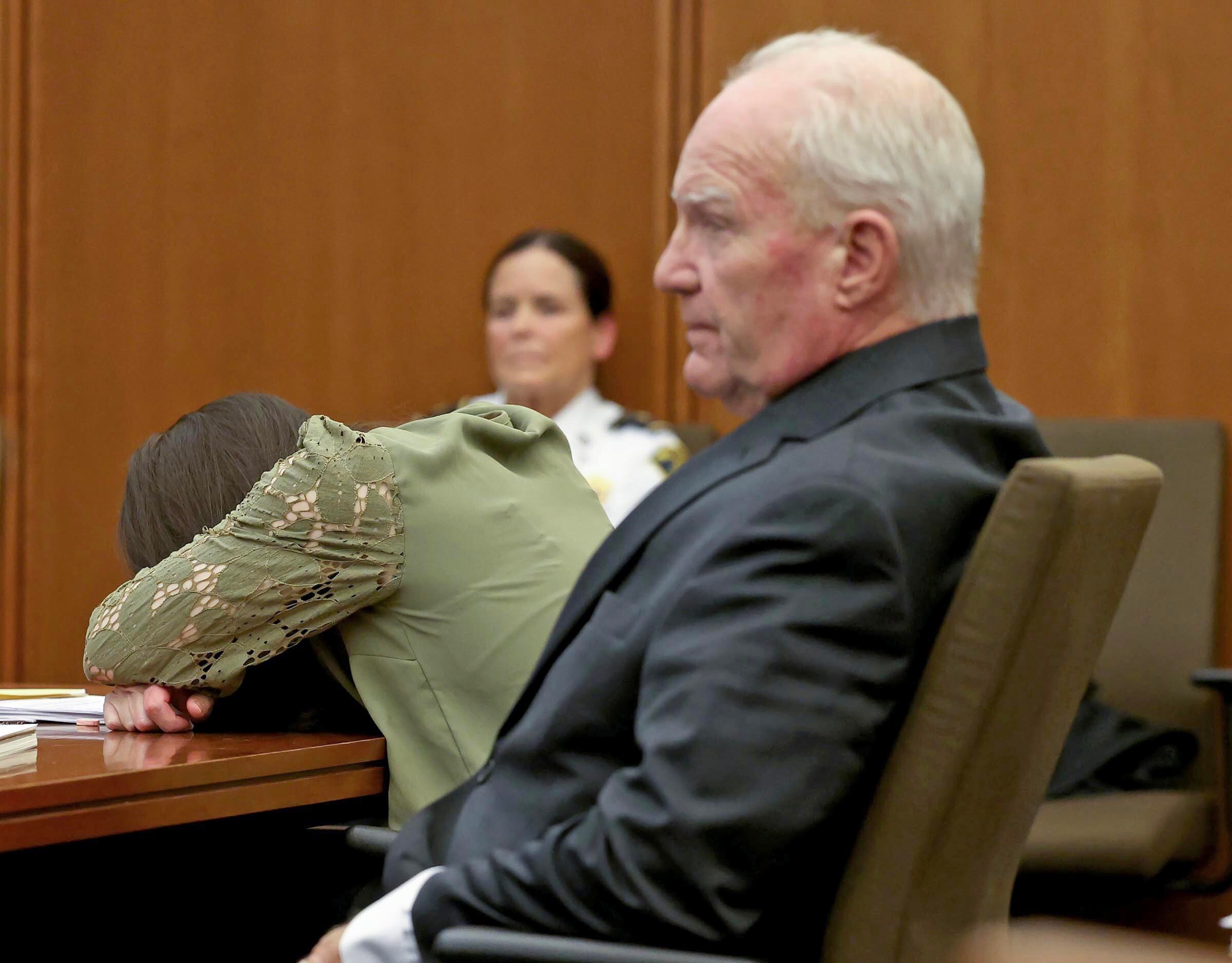
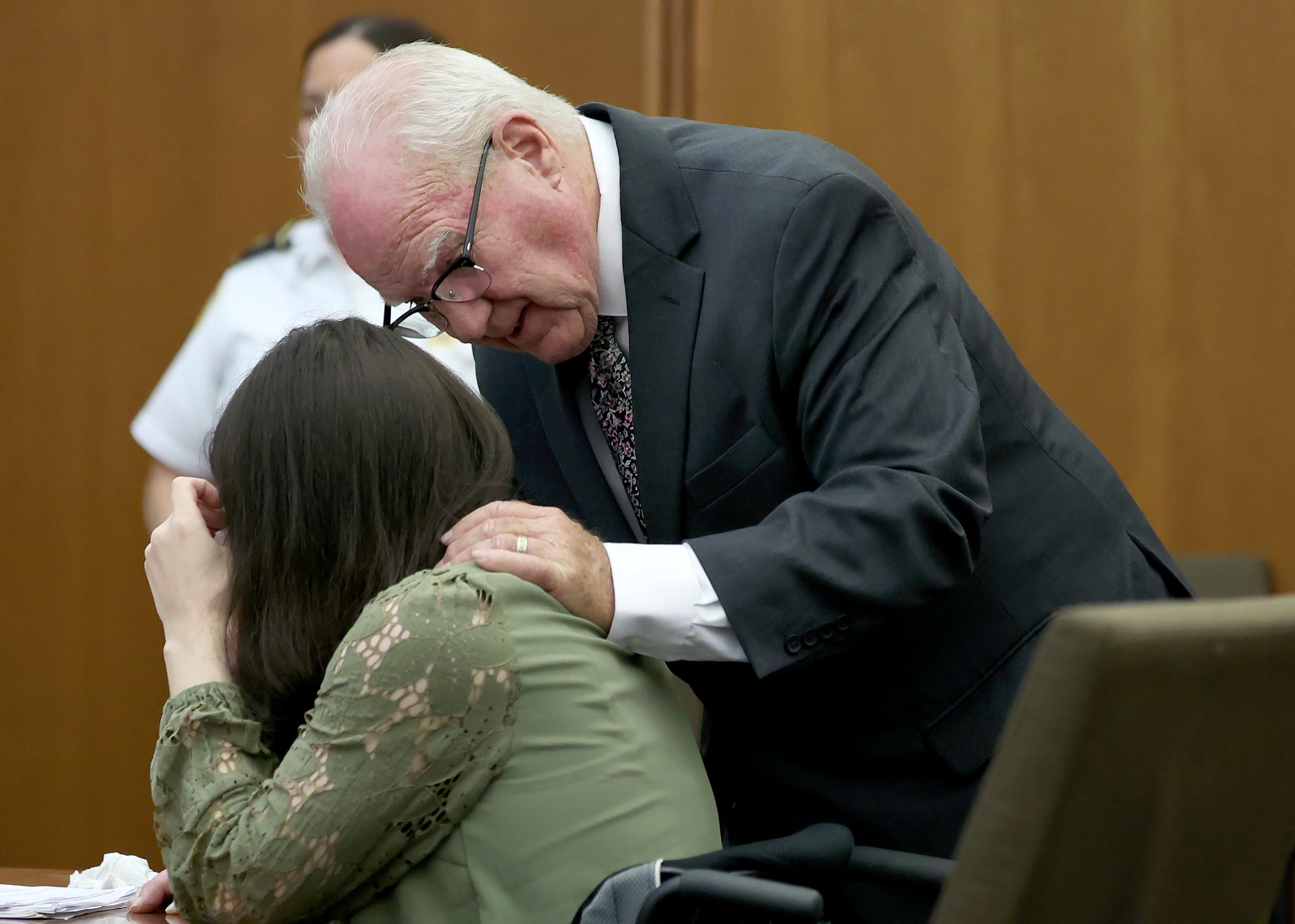
Proceedings reflected significant emotional strain during the introduction of emergency response logs and autopsy findings. Clancy, who sustained permanent paralysis after jumping from a second-story window and uses a wheelchair, displayed visible distress and wept during the medical examiner’s testimony and the playback of the 911 emergency call. Courtroom protocols maintained strict procedural decorum while accommodating the physical and legal protections required for the defendant.
State Police Cybercrime Protocols and Judicial Safeguards
The integration of technical cybercrime testimony underscores standard law enforcement protocols for preserving binary data integrity and chain of custody. Advanced data extraction techniques enable investigators to recover deleted or cached browser histories, satisfying judicial standards for evidentiary admission in modern homicide prosecutions.
Superior Court Judge William Sullivan maintains strict procedural oversight over witness flows and contested objections. Establishing exact anatomical mechanisms of death satisfies the state’s burden of proving material homicide facts beyond a reasonable doubt, while judicial rulings determine the legal boundaries separating clinical mental health diagnoses from legal insanity standards.