Pokémon GO 10th Anniversary: Universal Rewards vs. Live Event Controversies
To celebrate the 10th anniversary of Pokémon GO, Niantic released a global Timed Research quest running from August 12 to September 6, 2026. The milestone initiative rewards all participating Trainers with a high-utility asset: a max-stat (perfect IV) Mewtwo featuring a unique commemorative background and an unlocked third Mega Level for Mega Mewtwo Y. While designed to reward long-term player engagement and acknowledge the title’s decade-long lifecycle, the event also brings persistent live-service management friction into focus.
1. The Meta Value of Universal Mewtwo Rewards
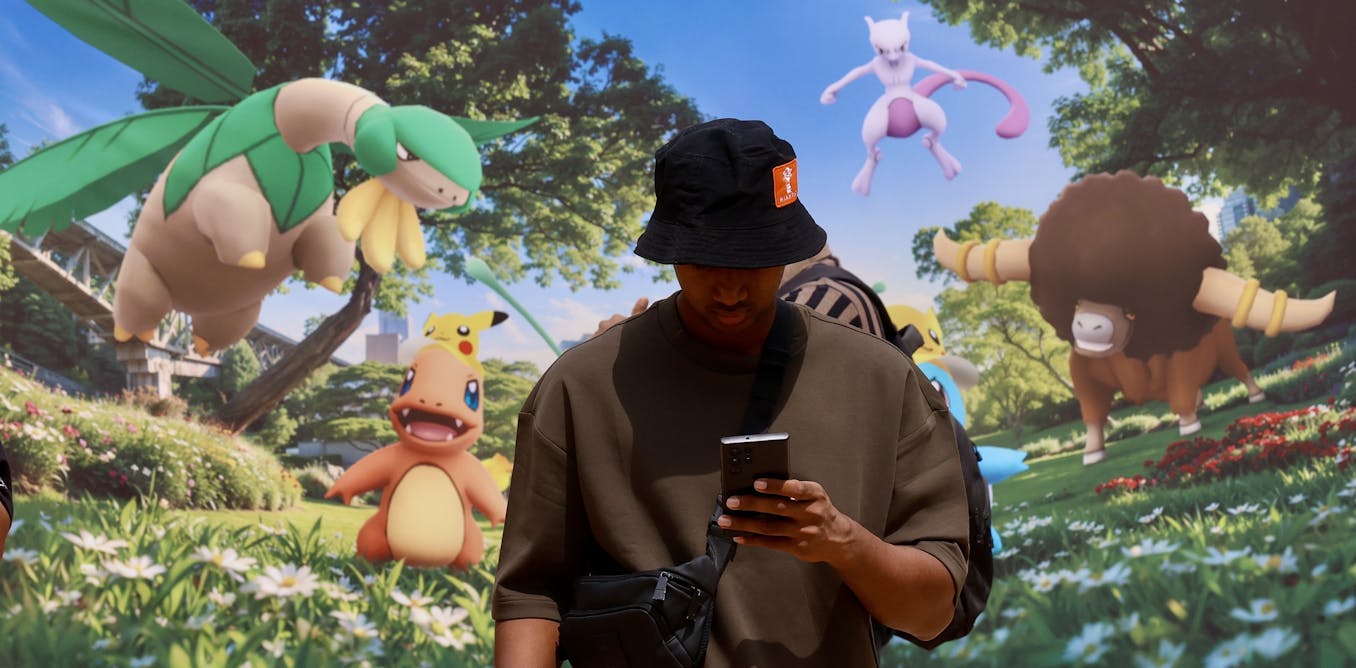
Mewtwo remains a top-tier asset across Pokémon GO’s competitive PvP and PvE meta. Granting universal access to a max-stat variant—paired with Mega Level progression—serves as both a significant mechanical boost for players and a retention driver in the competitive mobile landscape. By providing an elite legendary through standard gameplay progression, Niantic leverages high-utility rewards to drive daily active user metrics and reinforce the core gameplay loop across its global player base.
2. The Times Square Controversy and Regional Disparities
The anniversary goodwill is counterbalanced by ongoing community friction stemming from a prior invite-only in-person event in Times Square, New York. Attendees of that limited gathering received guaranteed perfect-stat Mewtwo encounters, a reward tier previously unavailable to the broader global audience. This distribution imbalance sparked widespread backlash, with non-attendees citing unfair competitive advantages and systemic inequity in how Niantic manages localized, physical activations versus digital global events.
3. LiveOps Strategy: Nostalgia, Retention, and Community Trust
Niantic’s broad distribution of a perfect Mewtwo acts as a strategic countermeasure to community sentiment fallout, leveraging the emotional weight of the game’s 2016 launch phenomenon to maintain player loyalty. However, the contrast between exclusive physical events and universal digital compensations underscores a broader LiveOps challenge: balancing event exclusivity and monetization against global player equity. Moving forward, transparent reward criteria and accessible distribution models will remain critical to maintaining player trust and brand integrity in free-to-play augmented reality environments.