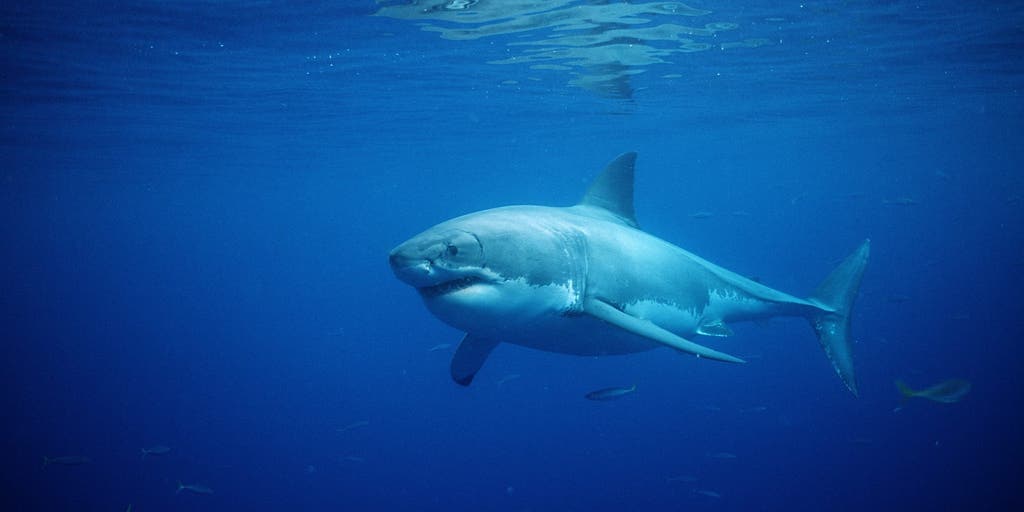
Recent maritime events along southern Maine’s coast highlight operational challenges for municipal authorities and coastal resource managers. Wells town beaches closed temporarily after a 10-foot juvenile great white shark was sighted within 500 yards of shore. Municipal officials deployed the purple flag protocol to enforce a swimming prohibition, balancing public access against the direct presence of an apex predator.
This preventive action followed an incident at Scarborough Beach State Park, where a lifeguard performing shark patrol duties was pulled five to six feet underwater when a great white latched onto his rescue torpedo. Marine Resource Officer Daryen Granata confirmed the staff member unstrapped from the flotation device and returned to shore safely without injury, illustrating the occupational hazards of proactive coastal monitoring.
Marine resource professionals documented an unusual concentration of shark activity—ranging from six to twelve feet in length—over a 48-hour period. Granata, citing over thirty years of regional experience, noted that observing more than half a dozen sharks exceeds historical baselines. These sightings, captured visually and via aerial drone footage, challenge assumptions regarding large marine predator proximity to high-traffic recreational areas.
Sightings near shallow sandbars, including Pine Point Beach, complicate risk management for swimmers and fishermen operating in waist-deep water. Because these coastal shelves overlap with human recreation and marine feeding patterns, agencies are forced to adapt surveillance strategies. Biologists and marine officers have intensified on-water surveys to map movement corridors and reconcile public safety mandates with shifting ecological realities.
These events compel municipal governments to reallocate emergency response resources and evaluate warning protocols. The operational burden of continuous drone surveillance and boat patrols strains local marine departments, leaving coastal communities to manage elevated liability and public concern as seasonal tourism intersects with increased predator visibility.