
Strategic Reconfiguration: Boeing’s Divestiture Powers Archer’s Integrated Air Mobility Vision
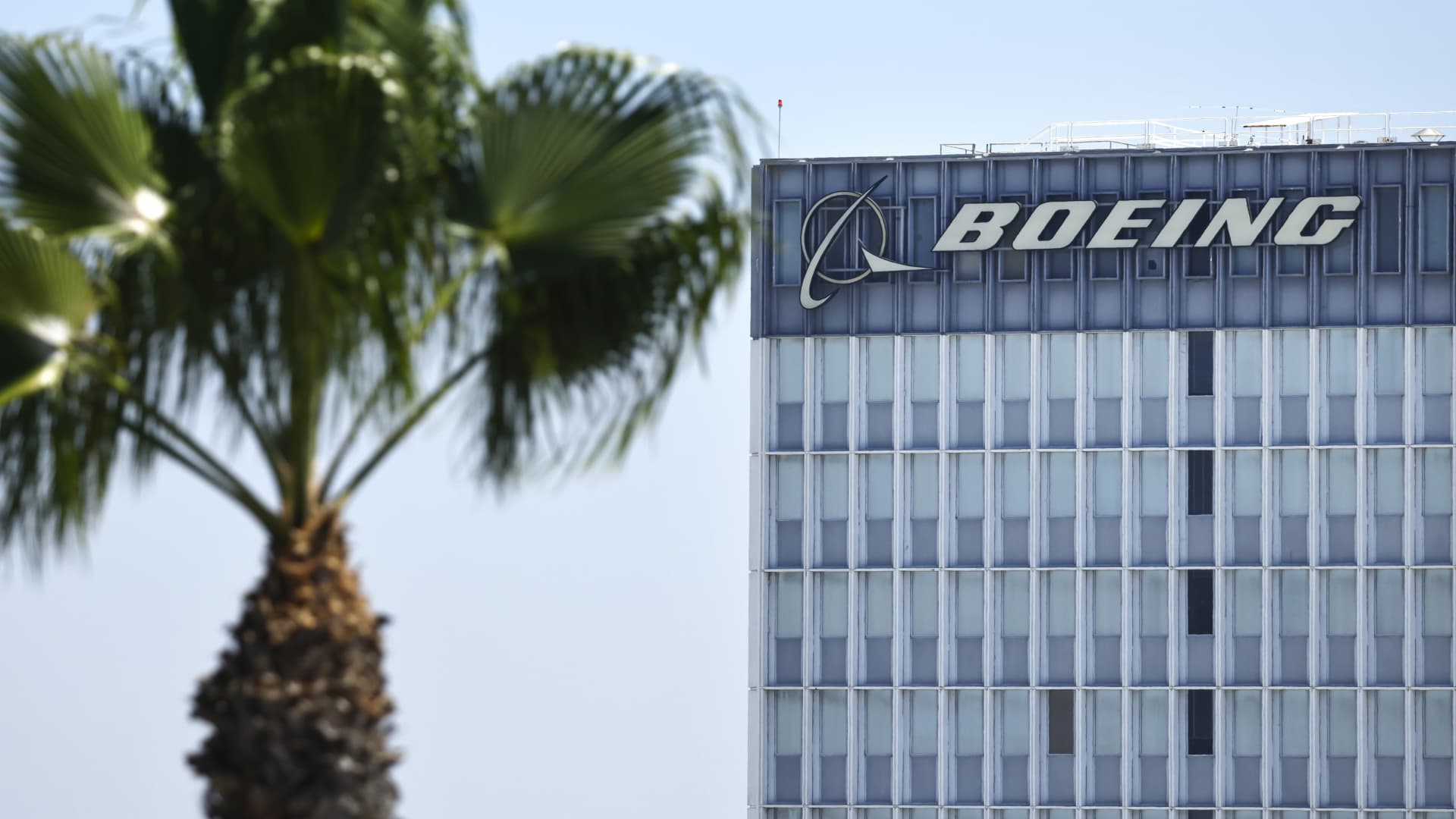
The Boeing Company has announced a pivotal strategic divestiture, transferring three key subsidiaries—Wisk Aero, SkyGrid, and Insitu—to Archer Aviation Inc., a leader in electric vertical take-off and landing (eVTOL) aircraft development. This transaction involves Boeing acquiring a significant equity stake in Archer and formalizing a strategic partnership for ongoing collaboration and technology sharing. This move signals a profound recalibration of Boeing’s investment priorities, leveraging prior innovation through a strategic partnership rather than direct operational ownership.
For Boeing, this divestiture sharpens its focus on core aerospace operations, enabling a more capital-efficient approach to advanced air mobility (AAM). By transitioning operational development and market risks to Archer, Boeing optimizes its balance sheet while retaining a pathway to future market participation and returns through its equity position and strategic alliance. This reflects a broader industry trend where established aerospace giants de-risk nascent, capital-intensive technology ventures by partnering with agile innovators.
Archer Aviation’s Accelerated Expansion and Vertical Integration Strategy
For Archer Aviation, this acquisition represents a transformative leap, significantly enhancing its competitive posture in the nascent urban air mobility (UAM) market and strategically broadening its reach into the defense sector. The integration of Wisk Aero, a pioneer in autonomous eVTOL development, directly fortifies Archer’s core product capabilities, accelerating its trajectory toward fully autonomous flight solutions.
The inclusion of SkyGrid, a developer of advanced air traffic management (ATM) systems, provides Archer with critical in-house infrastructure. This capability is essential for scaling UAM operations from test phases to commercial deployment, positioning Archer not merely as an aircraft manufacturer but as a comprehensive provider of future air mobility ecosystems capable of managing both vehicle and operational control challenges.
Pioneering an End-to-End Physical AI Platform for Aerospace and Defense
A central strategic outcome is the establishment of what Archer terms an “end-to-end physical AI platform for aerospace and defense.” This vision integrates Wisk’s pioneering autonomy and airspace intelligence software, SkyGrid’s sophisticated air traffic management systems, and Archer’s proprietary purpose-built AI foundation model, ZEE. This synergy aims to create an intelligent ecosystem where hardware (eVTOLs, drones) seamlessly interacts with sophisticated artificial intelligence for autonomous operation, navigation, and large-scale airspace coordination.
This integrated platform is designed to manage complex aerial operations, from individual aircraft autonomy to extensive airspace coordination, leveraging AI for real-time decision-making, predictive maintenance, and operational efficiency. This convergence positions Archer at the vanguard of developing intelligent, autonomous systems that transcend traditional aerospace boundaries, offering scalable solutions for both civilian AAM and diverse military applications.
Immediate Financial and Strategic Advantages from Insitu’s Integration
The acquisition of Insitu provides Archer with immediate and substantial financial and operational leverage. Insitu, a global leader in high-altitude drone development and manufacturing, brings a profitable defense business generating over $200 million in annual revenue. This instantly diversifies Archer’s revenue streams, mitigating its reliance solely on the longer-term commercialization of eVTOLs.
Insitu’s established global footprint across 35 countries and strong relationships with defense clients, including the U.S. Navy, offer Archer rapid market access and unparalleled credibility within the defense sector. This strategic diversification not only enhances Archer’s financial stability but also provides a robust foundation for expanding its military portfolio, leveraging advanced drone technology alongside its eVTOL development for dual-use applications.
Reconfiguring the Competitive Landscape of Urban Air Mobility and Defense
This transaction fundamentally reconfigures competitive dynamics within the rapidly evolving urban air mobility and defense technology sectors. By acquiring Wisk’s autonomous eVTOL technology and SkyGrid’s air traffic management systems, Archer gains a significant lead in developing integrated, ecosystem-level solutions, moving beyond mere aircraft design to encompass the entire operational framework for future aerial transportation.
The strategic partnership with Boeing, a global aerospace leader, bestows substantial credibility, invaluable technical expertise, and potential access to resources and supply chains that smaller startups typically lack. This powerful alliance could act as a significant barrier to entry for other competitors, accelerating Archer’s market penetration and solidifying its position as a frontrunner in the race to commercialize eVTOL technology and expand into autonomous defense systems.
Stakeholder Implications and Enhanced Market Valuation
The deal carries substantial implications for various stakeholders. For Archer’s investors, the acquisition of a revenue-generating defense business, coupled with Boeing’s strategic backing, significantly de-risks their investment, bolstering valuation and market confidence. The expanded technological portfolio and clear path to commercialization present a more compelling long-term growth narrative.
Employees of Wisk, SkyGrid, and Insitu will integrate into Archer’s organizational structure, bringing specialized expertise in autonomy, air traffic management, and unmanned systems. This infusion of talent and intellectual property is crucial for Archer’s ambitious goals. For Boeing, the arrangement allows for a strategic pivot, externalizing operational costs while maintaining a strategic financial stake and access to the innovations it helped foster.
Navigating Regulatory Pathways and Accelerating Commercialization
The path to commercial urban air mobility is critically dependent on rigorous regulatory approvals and the development of robust, secure air traffic management systems. Archer’s acquisition of SkyGrid directly addresses this challenge, providing it with in-house capabilities to develop, test, and influence the standards for safe, efficient, and autonomous flight operations.
Insitu’s established track record in military drone operations across numerous countries implies a deep understanding of complex regulatory environments and operational protocols. This invaluable experience will significantly accelerate Archer’s ability to navigate the intricate certification processes required for both civilian eVTOLs and expanded defense applications, expediting the transition from test flights to widespread commercial and operational deployment.
Broader Industry Trends and Collaborative Innovation Models
This transaction exemplifies a prevalent pattern in the aerospace industry where large, established players engage with agile startups to foster innovation and explore disruptive technologies. Boeing’s decision to divest operational control while maintaining a strategic equity stake reflects a pragmatic approach to innovation, allowing it to participate in emerging markets without diverting excessive internal resources from its core aircraft manufacturing business.
Such strategic alliances enable startups like Archer to gain expedited access to capital, market credibility, established supply chains, and potentially advanced manufacturing capabilities. This accelerates their growth trajectory and de-risks their ambitious development programs. This model of collaborative innovation is poised to become even more prevalent as the aerospace industry confronts rapid technological advancements and the high capital requirements of new ventures.
Long-Term Strategic Advantage: Integrated AI for Future Air Mobility
The formation of an “end-to-end physical AI platform” strategically positions Archer at the intersection of several high-growth sectors: urban air mobility, autonomous systems, and defense technology. This integrated approach offers significant long-term advantages, enabling Archer to develop comprehensive, full-stack solutions that address multiple market needs simultaneously, from advanced aircraft to the digital infrastructure that supports them.
The collaboration with Boeing also opens avenues for future technology sharing, joint ventures, and deeper market penetration, extending beyond the immediate scope of this acquisition. As autonomous flight and AI-driven systems become increasingly central to aerospace, this strategic alignment could yield enduring innovations and market leadership, fundamentally reshaping the future of air travel and defense capabilities.

Photo by Chikilino on Pixabay.