Recurring Ethics Scrutiny Plagues North Carolina’s 11th Congressional District
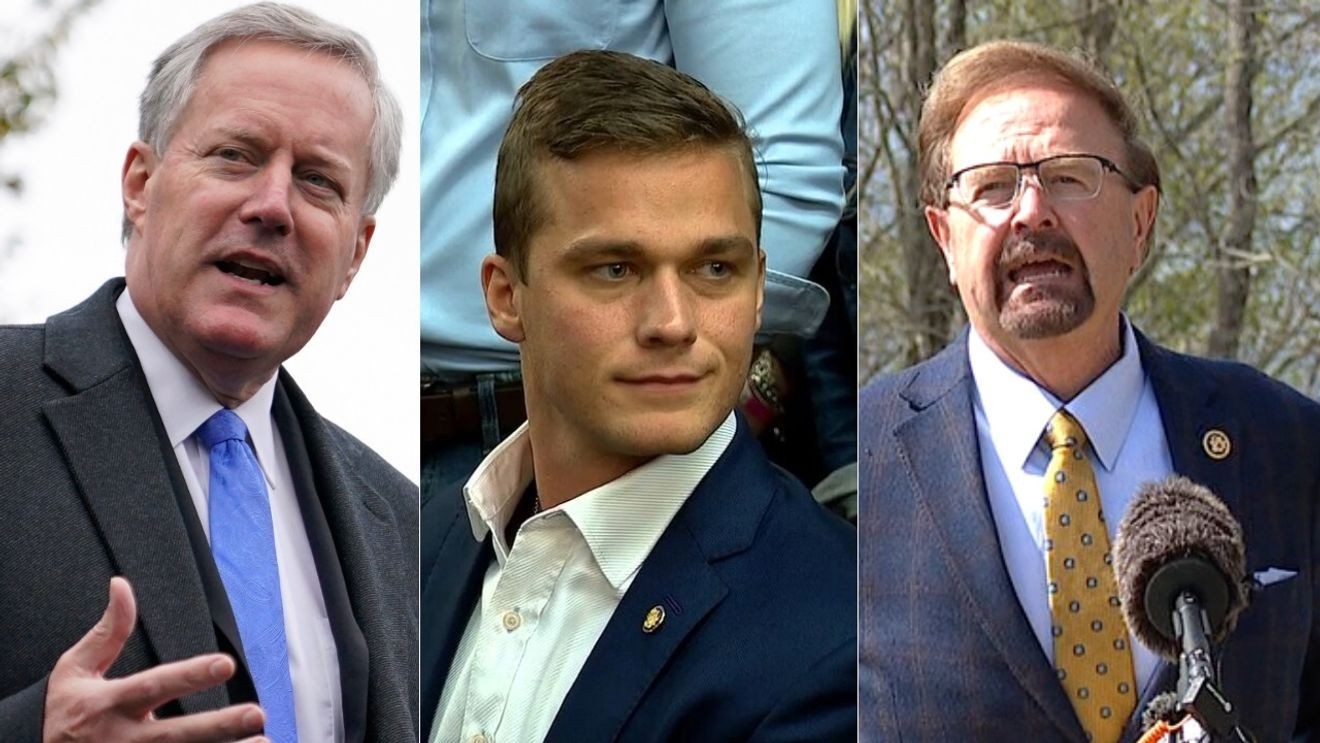
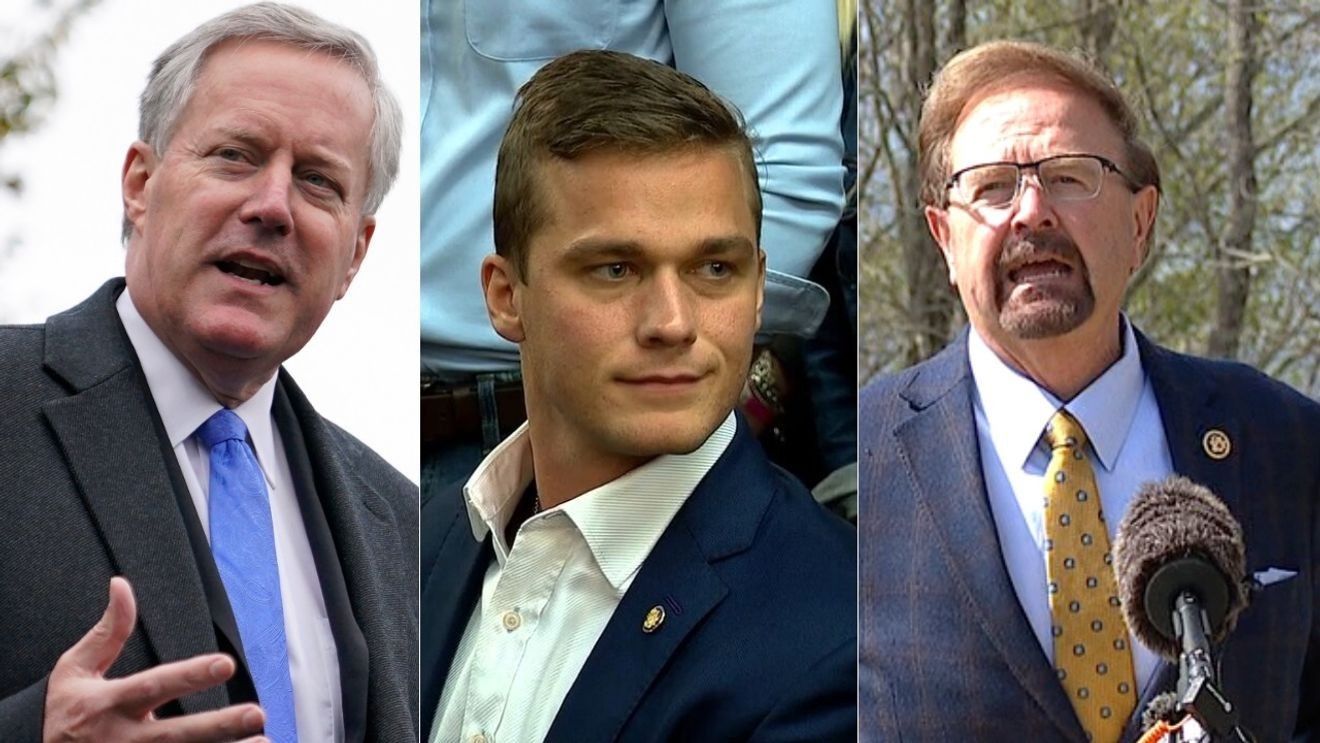
A comprehensive investigation into the U.S. House Committee on Ethics’ actions has revealed a consistent pattern of scrutiny directed at the last three Republican representatives to hold North Carolina’s 11th Congressional District seat. This recurring oversight suggests potential systemic issues or an elevated level of examination applied to this specific district’s representation.
The analysis highlights that former Rep. Mark Meadows, who represented the district from January 2013, faced a significant sanction from the Ethics Committee in 2015. This action was a direct consequence of allegations concerning the improper use of taxpayer funds. Specifically, Meadows was found to have continued compensating his former chief of staff, Kenny West, after multiple female staffers accused West of sexual harassment. The committee’s findings concluded that Meadows had not adhered to directives to terminate West’s employment, instead authorizing severance payments funded by congressional appropriations.
Meadows’ Sanction and Subsequent Departure
The House Ethics Committee ordered Meadows to reimburse the U.S. Treasury for the unauthorized severance payments. This financial penalty underscored the seriousness of the ethical breach. Meadows subsequently resigned from Congress in March 2020, accepting a position as White House chief of staff under President Donald Trump. His departure created a vacancy that was eventually filled by Republican Madison Cawthorn, sworn into office in January 2021. The continuity of ethics investigations, preceding and encompassing Cawthorn’s tenure, emphasizes a persistent challenge for the district’s Republican delegation.
Cawthorn’s Ethics Case and District Trends
While the specifics of the ethics action against Madison Cawthorn are not detailed in the available information, his inclusion within this pattern is critically important. The fact that he, like his predecessors, faced committee action indicates a significant level of scrutiny that warrants a deeper examination of the ethical and operational standards expected from representatives of the 11th District. This repeated engagement by the House Ethics Committee with consecutive representatives from this single district points to a potential for elevated risk and public trust concerns within the district’s political landscape.
Strategic Implications for the District and the Republican Party
The consistent ethics actions against Republican representatives from North Carolina’s 11th District carry substantial strategic implications. For the district, it raises critical questions regarding candidate vetting processes and the underlying factors contributing to ethical challenges among its elected officials. For the Republican Party, this pattern necessitates a review of its support structures and guidance provided to candidates and incumbents, particularly in districts that are historically competitive or have faced scrutiny.
The repeated exposure to ethics investigations can significantly erode public trust and establish a difficult-to-overcome narrative, potentially impacting electoral outcomes and the party’s broader brand reputation. This trend demands a proactive approach to ensure accountability and restore confidence.
Robust Oversight Mechanisms and Accountability in Congress
The U.S. House Committee on Ethics serves as a vital mechanism for upholding public trust and ensuring accountability within the legislative branch. Its direct involvement in the cases of Meadows and Cawthorn highlights the committee’s crucial role in investigating alleged violations of House rules and ethical standards. The committee’s mandate includes investigating misconduct allegations, recommending disciplinary actions, and actively promoting ethical conduct among members.
The consistent application of these oversight functions to representatives from a single district underscores the importance of robust internal controls and a clear understanding of ethical boundaries for all elected officials. This trend suggests a need for continued vigilance and reinforcement of ethical governance principles.
Financial and Reputational Consequences of Ethical Breaches
The sanction imposed on Mark Meadows, mandating reimbursement to the U.S. Treasury, exemplifies the direct financial repercussions of ethical violations. Such repayments represent a tangible cost, not only to the implicated representative but also indirectly to taxpayers. Beyond direct financial penalties, the reputational damage resulting from ethics investigations can be profound and long-lasting.
Allegations involving misuse of funds and serious misconduct, as seen in Meadows’ case, can severely damage an individual’s standing with constituents and the wider public. This reputational exposure can significantly influence future electoral prospects and career trajectories, impacting the representative’s ability to govern effectively.
Impact on Governance Effectiveness and Public Trust
When elected officials face ethics investigations, the operational focus of their offices can shift significantly from legislative duties to managing the investigation and its fallout. This diversion of attention can impede their capacity to effectively represent constituents and contribute to the legislative process, potentially leading to a deficit in representation.
Furthermore, a persistent pattern of ethical challenges can lead to a substantial erosion of public trust in elected officials and governmental institutions. Constituents may become disillusioned, resulting in decreased civic engagement and a broader skepticism towards government, with potentially damaging long-term implications for democratic participation and the health of the republic.
The Critical Role of Media Scrutiny and Narrative Framing
The identification of this pattern by a News 13 investigation underscores the indispensable role of the media in holding public officials accountable. Media scrutiny is essential for bringing ethical lapses to light, prompting investigations, and informing the public about the conduct of their representatives. The framing of these ethics cases by the media can profoundly influence public perception.
Consistent reporting on ethics actions can shape a dominant narrative around a district’s representation, directly impacting voter sentiment and the electoral landscape. The explicit emphasis on the “last three Republican representatives” creates a direct, comparative framework for evaluating the district’s recent congressional history and its implications.
Anticipating Future Investigations and Heightened Scrutiny
The established pattern of ethics actions against Republican representatives in North Carolina’s 11th District creates an environment of heightened anticipation for future conduct. Any new representative from this district, regardless of party affiliation, may face increased scrutiny from oversight bodies, the media, and constituents, anticipating similar issues. This increased awareness could potentially serve as a deterrent, encouraging stricter adherence to ethical guidelines.
Conversely, it could also foster a perception of the district as being inherently prone to ethical challenges, potentially making it more difficult for future candidates to distinguish themselves from past controversies and build trust.
Institutional Response and Potential for Reform
The repeated engagement of the House Ethics Committee with representatives from the 11th District may prompt internal reviews within the committee or the House itself concerning the efficacy of current oversight mechanisms. Such recurring patterns can sometimes catalyze discussions about strengthening ethics enforcement protocols or providing more comprehensive ethics training for newly elected members.
The consistency of these events suggests that existing frameworks for ethical conduct and enforcement are actively being utilized. However, the recurrence of issues within a specific district might also indicate a need for more targeted interventions, educational resources, or support systems for representatives grappling with complex ethical dilemmas.
Comparative Analysis of Congressional Ethics Precedents
While the current analysis focuses on the 11th District, the broader context of congressional ethics provides essential perspective. The House Ethics Committee adjudicates a wide spectrum of allegations, ranging from financial impropriety to personal conduct violations. The specific nature of the allegations against Mark Meadows—misuse of funds intertwined with a sexual harassment case—illustrates a complex intersection of financial and personal conduct issues.
Understanding the precedents established by the committee in similar past cases is crucial for accurately assessing the implications of the actions taken against these North Carolina representatives. Each adjudicated case contributes to the evolving body of ethical jurisprudence within Congress, thereby shaping expectations and enforcement standards for all future members.
Long-Term Electoral Ramifications for the District
The cumulative impact of repeated ethics investigations on electoral outcomes within the 11th District warrants significant consideration. While individual cases may yield varying levels of voter response, a consistent pattern of ethical challenges can contribute to voter fatigue or a strong desire for change, irrespective of partisan affiliation. The district’s specific electoral history and the prevailing political climate will undoubtedly influence how these ethics issues are ultimately perceived by the electorate.
However, the sustained exposure to such controversies can become a defining characteristic of the district’s representation, potentially influencing candidate recruitment strategies, voter turnout dynamics, and the overall electoral landscape.
The Strategic Role of Political Parties in Candidate Management
Political parties play a pivotal role in the recruitment, nomination, and ongoing support of candidates. The persistent ethics issues within the 11th District may compel the Republican Party to undertake a thorough re-evaluation of its vetting and support processes for candidates seeking to represent this crucial constituency. The party’s capacity to effectively manage and mitigate the impact of ethics scandals is critical for maintaining its electoral competitiveness and public image.
The sustained ethical scrutiny on its representatives from this district presents a significant challenge that demands strategic communication, robust internal policy adjustments, and a commitment to upholding ethical standards.
Shifting Constituent Expectations and Engagement Levels
For the constituents of North Carolina’s 11th Congressional District, the ongoing ethics actions against their representatives inevitably shape their expectations of elected officials. This trend may foster an increased demand for greater transparency, enhanced accountability, and decisive ethical leadership. The level of constituent engagement and their specific reactions to these ethics cases will likely vary across the district.
However, a consistent pattern of controversy has the potential to cultivate a more informed, discerning, and critical electorate, one that will undoubtedly demand higher standards from those who aspire to represent them in Washington, D.C.
Forecasting the Future of Representation in NC-11
The documented pattern of ethics actions against the last three Republican representatives from North Carolina’s 11th District establishes a significant and unavoidable backdrop for all future political contests within the district. It creates a clear precedent that future candidates and incumbents will be compelled to address, either by actively demonstrating an unwavering commitment to ethical conduct or by strategically navigating the lingering public perceptions associated with past controversies.
The ongoing nature of these investigations and their potential resolutions will continue to shape the political narrative surrounding the district. The U.S. House Committee on Ethics’ role remains central in determining the final outcomes and their broader implications for congressional accountability and the integrity of the legislative process.