
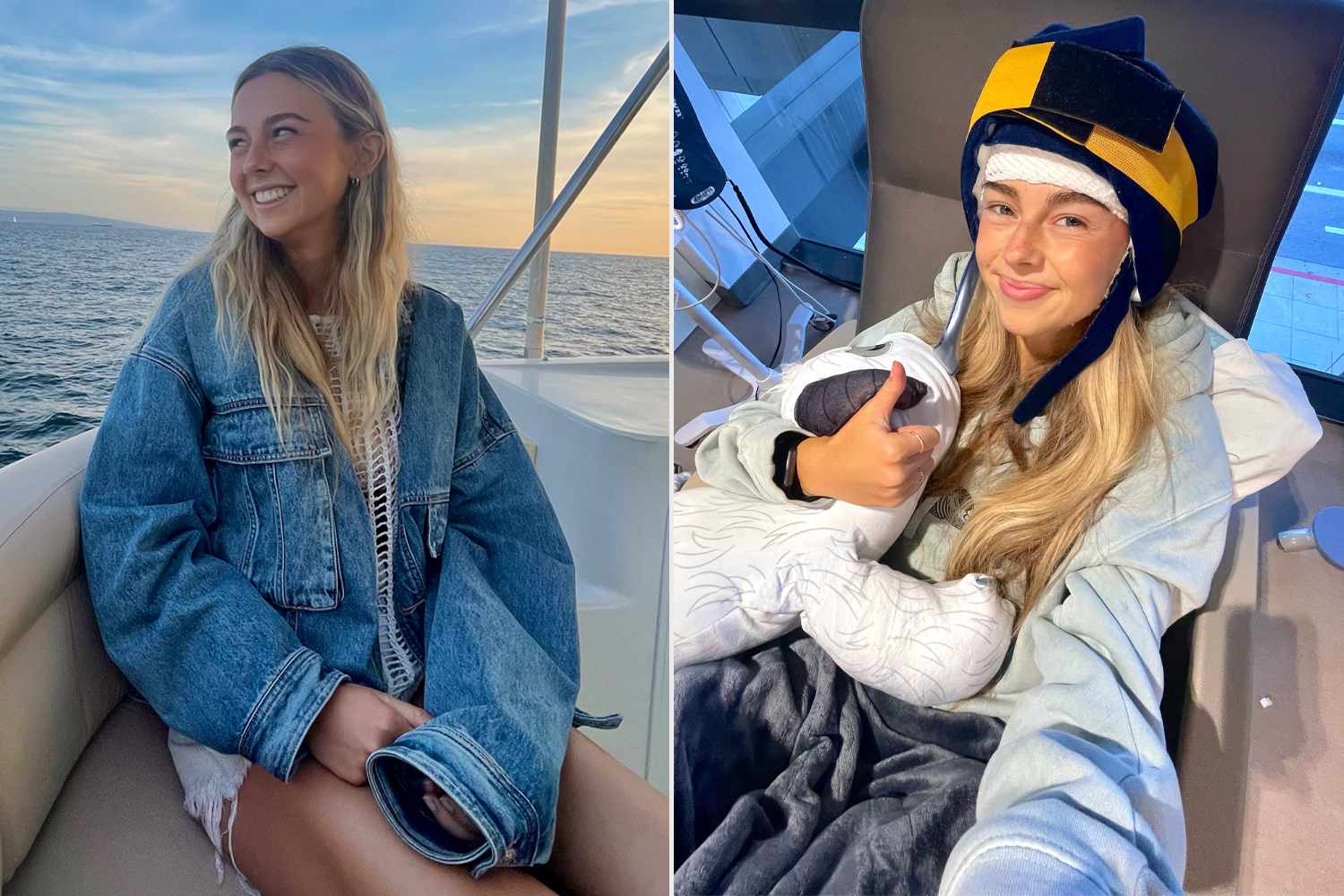
The death of Sydney Towle at age 26 represents more than a personal tragedy; it serves as a high-density case study on the intersection of the creator economy, oncological epidemiology, and digital legacy management. Diagnosed at 23 with cholangiocarcinoma—a malignancy typically sequestered to demographics over 50—Towle’s three-year trajectory transitioned from a private medical crisis into a sophisticated digital narrative. This evolution from patient to health-tech influencer highlights a structural shift in how rare diseases are perceived, documented, and institutionalized within the social media ecosystem.
Diagnostic Latency and Clinical Friction
The initial clinical encounter in early 2023, where Towle’s symptoms were erroneously attributed to a hernia, underscores a systemic friction point: diagnostic latency in young adult oncology. Cholangiocarcinoma, as defined by the National Cancer Institute, originates in the bile ducts and carries a high mortality rate due to its aggressive nature and late-stage detection. For a 23-year-old presenting with abdominal lumps and burning sensations, traditional clinical heuristics often fail, as statistical models prioritize more common, less severe pathologies. This diagnostic lag allowed the malignancy to progress to stage 4, necessitating a move toward palliative and experimental interventions rather than curative ones.
By documenting her subsequent treatment—including chemotherapy and surgical interventions—Towle provided granular visibility into the clinical realities of rare cancer. This transparency bridged the gap between sterile institutional data and the lived experience of a terminal patient, creating a repository of anecdotal evidence for an audience exceeding one million followers. Her platform effectively functioned as an informal peer-review system for patient-reported outcomes (PROs) in the rare cancer community.
The Creator Economy as a Palliative Strategy
Towle’s strategic pivot to digital advocacy was a mechanism for reclaiming agency in a scenario defined by biological volatility. In the creator economy, documenting terminal illness involves a complex negotiation of brand identity: maintaining her family-described “ray of sunshine” persona while confronting the physiological decline associated with late-stage cancer. This duality allowed for the monetization of vulnerability—not as a cynical exercise, but as a means to fund experimental treatments and provide a sense of purpose through health-tech literacy.
The operational scale of her platform transformed individual suffering into a collective pedagogical event. This engagement created a feedback loop where social capital translated into institutional recognition, garnering coverage from major media outlets such as PEOPLE. This media amplification solidifies the influencer’s role as a primary source of health information, often bypassing traditional medical communication channels and forcing legacy institutions to engage with patient-led narratives.
Digital Estate Management and Algorithmic Mourning
The transition to hospice care, announced by her brother Austin Towle on August 4, 2024, signaled the final operational shift in her content strategy. Moving from active treatment to end-of-life care requires a recalibration of the narrative from “combat” to “legacy.” The subsequent announcement of her death on August 5, 2024, highlights the transfer of digital estate management, where survivors assume responsibility for the creator’s digital footprint.
This transition is a critical moment for stakeholder engagement. Using platforms like TikTok to disseminate urgent personal news leverages algorithmic distribution to close the parasocial loop between the creator and the audience. The family’s public gratitude serves to validate the emotional and financial investment of the global community, ensuring that Towle’s digital presence persists as an archive for future patients and researchers.
Structural Implications for Health Advocacy
The legacy of Sydney Towle brings necessary scrutiny to the necessity for revised diagnostic protocols for early-onset rare cancers. Her participation in clinical trials, documented for a massive audience, influences public perception of experimental oncology and can accelerate recruitment for future research. This creates a downstream effect on resource allocation, potentially shifting institutional focus toward the genomic and environmental factors driving rare cancers in younger demographics.
Furthermore, the institutionalization of social media creators as public figures ensures that the lifecycle of an influencer is now a matter of public record. The integration of personal health data into the digital media landscape has long-term implications for ethics, privacy, and the commercialization of grief. As the creator economy matures, the management of “living legacies” will become a standardized component of digital estate planning, ensuring that the influence of individuals like Towle extends far beyond their biological lifespan.