
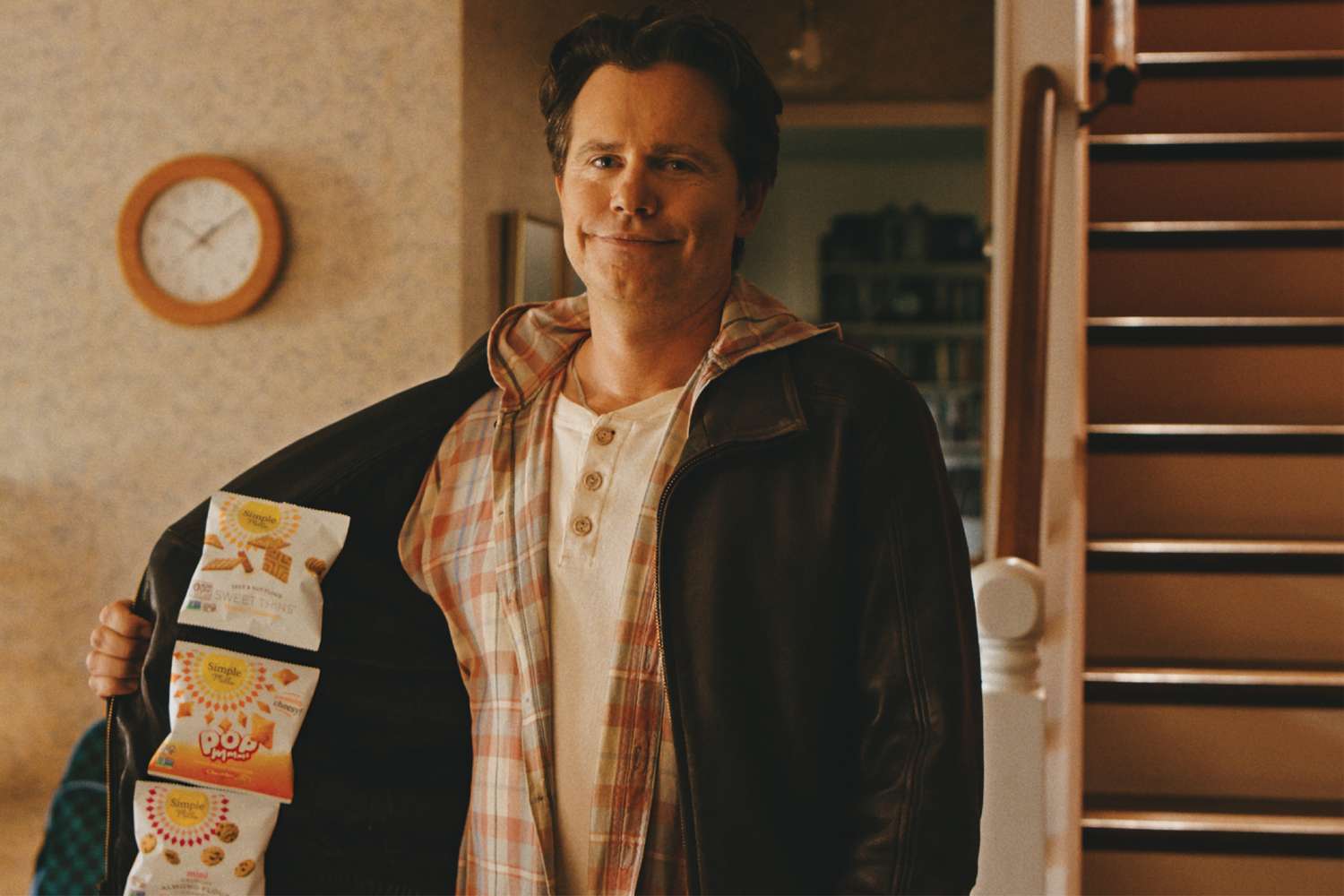
Rider Strong Reclaims His ’90s Persona for Simple Mills Nostalgia Campaign
Actor Rider Strong is strategically leveraging his iconic ’90s television persona from “Boy Meets World” to engage contemporary audiences through a partnership with Simple Mills. This collaboration centers on specially designed snack packs that evoke ’90s nostalgia, positioning Strong as a key curator of that era’s cultural touchstones and transforming his past into a present-day commercial asset.
At 46, Strong is now actively embracing the ’90s, a significant shift from his previous efforts to distance himself from his breakout role. This evolution in personal branding directly fuels commercial opportunities, marking a calculated pivot from avoidance to active engagement with his career history.
The “Pod Meets World” rewatch podcast, co-hosted with “Boy Meets World” castmates Danielle Fishel and Will Friedle, is identified as a crucial catalyst for this personal and professional recalibration. Strong describes the podcast as transformative, fostering a deeper connection with fans and a more positive reconciliation with his early career, thereby unlocking new avenues for brand partnerships.
This strategic alignment with Simple Mills demonstrates an understanding of the market demand for retro-themed products, particularly among millennials who grew up with “Boy Meets World.” The campaign’s success hinges on its ability to tap into shared cultural memories, translating fan affection for the show into tangible consumer engagement with the snack brand.
Strong’s commentary reveals a nuanced perspective on fame. He acknowledges that while the “Boy Meets World” experience itself was not traumatic, the destabilizing effects of early-onset celebrity led him to initially reject his public persona. This retrospective analysis underpins his current embrace of his legacy, recognizing the enduring positive associations fans hold for the series.
The partnership with Simple Mills is framed as more than a promotional gig; Strong describes the experience as “healing” and “one of the healthiest changes I’ve made.” This framing elevates the commercial venture beyond a simple endorsement, suggesting a deeper psychological integration of his past achievements into his present identity.
By actively participating in the reimagining of iconic snack packs, Strong is not just endorsing a product but is participating in a cultural revival. This approach allows him to reclaim and redefine his narrative, transforming potential career stagnation into a source of ongoing relevance and commercial value.
The campaign’s focus on “nostalgic ’90s treats” and the pre-social media era highlights a broader consumer trend. Strong’s personal narrative of missing a time before constant digital connectivity resonates with an audience that also values the perceived simplicity and authenticity of that decade.
This strategic positioning allows Strong to monetize his enduring cultural capital by aligning with brands that can effectively tap into the same nostalgic sentiment. The success of such ventures often depends on the authenticity of the celebrity’s connection to the era and the product, a connection Strong is actively cultivating through his podcast and public statements.
The “Boy Meets World” legacy, once a source of avoidance, has been strategically reframed as a valuable asset. This transformation is indicative of a broader industry trend where established intellectual property and associated talent are being re-leveraged for new commercial purposes, particularly in the entertainment and consumer goods sectors.
Strong’s reflection on “Boy Meets World” as a “genuinely great television show” that he should be “proud of” marks a significant internal shift. This newfound pride is instrumental in his ability to authentically represent brands seeking to evoke positive sentiment and a sense of enduring quality.
The “healing” aspect of embracing his legacy suggests a successful deconstruction of past anxieties related to fame and public perception. This personal resolution enables more confident and effective engagement with his audience and potential brand partners, mitigating risks associated with past controversies or perceived reluctance.
The “Red Weather” fictional true-crime podcast mentioned by Strong indicates diversification of his media ventures beyond rewatch commentary, suggesting an ambition to build a broader personal brand that extends beyond his “Boy Meets World” persona.
His appreciation for ’90s nostalgia, particularly the freedom from pervasive digital surveillance and social media pressures, taps into a widely shared sentiment. This connection allows him to serve as an authentic voice for a demographic that often romanticizes the pre-internet era, making him a compelling spokesperson for brands targeting this sentiment.
The Simple Mills partnership, by focusing on “tasty” snacks that “actually do bring me back,” aims to create a direct sensory link to the ’90s. This experiential marketing approach is designed to foster a deeper emotional connection with consumers, moving beyond mere product promotion to a shared cultural experience.
Strong’s decision to “embrace the ’90s in my life right now” is a clear strategic directive that informs his professional choices, allowing him to select opportunities that align with his current personal narrative and market trends, thereby maximizing his brand equity.
The “cosplaying myself from the ’90s” comment, while humorous, underscores the performative aspect of celebrity branding, highlighting how actors can effectively leverage past personas for contemporary commercial gain when those personas are widely recognized and positively associated with a specific cultural period.
The “exclusive” nature of the Simple Mills campaign suggests a deliberate strategy to generate media attention and frame the collaboration as a significant cultural moment, amplifying its reach and impact beyond standard advertising channels.
By acknowledging that “the world hasn’t let me forget” his “Boy Meets World” role, Strong demonstrates an understanding of the persistent cultural footprint of his past work. This recognition is the foundation upon which his current strategy of leveraging that legacy is built, turning a potential constraint into a strategic advantage.
The “healing” narrative is a powerful tool in public relations, humanizing the celebrity and making them more relatable. When applied to a commercial context, it fosters goodwill and trust, crucial for long-term brand loyalty and successful marketing campaigns.
The “one thing from the nostalgic decade that he hopes makes a comeback” question suggests an ongoing engagement with ’90s themes, allowing Strong to remain a relevant voice in the conversation around ’90s nostalgia.
The “sentimental” nature of “Boy Meets World” that Strong initially dismissed, but now appreciates for its “heartfelt life lessons,” indicates a maturation of his perspective, enabling him to connect with the show’s enduring appeal on a deeper level that can be effectively communicated to fans and consumers.
The “fictional true-crime podcast” “The Red Weather” signifies an expansion into narrative content creation, moving beyond rewatch analysis and suggesting a strategic effort to broaden his appeal and establish himself as a content creator independent of his “Boy Meets World” past.
The partnership with Simple Mills, a brand often associated with healthier snack options, suggests an alignment with a more health-conscious consumer base that also appreciates nostalgic flavors, appealing to a demographic that seeks both indulgence and perceived wellness.
Strong’s willingness to “embrace his past” and connect with fans through the “Pod Meets World” podcast has demonstrably opened doors for new commercial ventures, highlighting the evolving landscape of celebrity branding where authenticity and direct fan engagement are increasingly valuable currency.
The “healing” aspect of his journey is crucial for understanding the strategic depth of his current activities, suggesting his engagement with his legacy is part of a personal process that enhances his ability to authentically represent brands and connect with his audience.
The “taste of the ’90s” concept presented by Simple Mills aligns perfectly with Strong’s current personal and professional trajectory, creating a symbiotic relationship between the brand’s marketing objective and the celebrity’s narrative arc.
The actor’s reflection on being “famous at a young age” and the subsequent “destabilizing” effects provides critical context for his current embrace of his “Boy Meets World” legacy, with this personal journey from avoidance to acceptance being a key narrative element that underpins his commercial endeavors.
The “overwhelmingly positive feeling” associated with his “Boy Meets World” legacy now is a testament to the power of recontextualization and fan engagement, providing significant positive reinforcement for any brand seeking to associate with him.
The “wrong reaction” he perceives in his earlier avoidance of fame underscores a strategic misstep that he has now corrected, vital for his current ability to leverage his past effectively and authentically.
The “healing” process, as described by Strong, is not just about personal comfort but also about unlocking professional potential, allowing him to present a more integrated and confident persona to the public and to potential business partners.
The “reimagining of the iconic Snack Packs” by Simple Mills, with Strong’s involvement, positions him as an active participant in product development and cultural curation, not merely a passive endorser.
The “healing” aspect of embracing his legacy is a powerful narrative that can resonate deeply with consumers who may have also experienced complex relationships with their own past achievements or public perceptions.
The “wrong reaction” to fame implies a missed opportunity for earlier positive brand association, and his current strategy aims to capitalize on that perceived missed opportunity by actively engaging with his “Boy Meets World” past.
The “healing” journey suggests a more sustainable and authentic approach to celebrity branding, potentially leading to longer-term partnerships and greater audience trust.
The “healing” narrative is a critical component of his personal brand evolution, enabling him to authentically connect with the “Boy Meets World” nostalgia and the Simple Mills campaign.
The “wrong reaction” to fame indicates a period of strategic miscalculation that has now been rectified, allowing for a more effective monetization of his legacy.
The “healing” process is central to his ability to authentically embody the ’90s nostalgia that Simple Mills is leveraging.