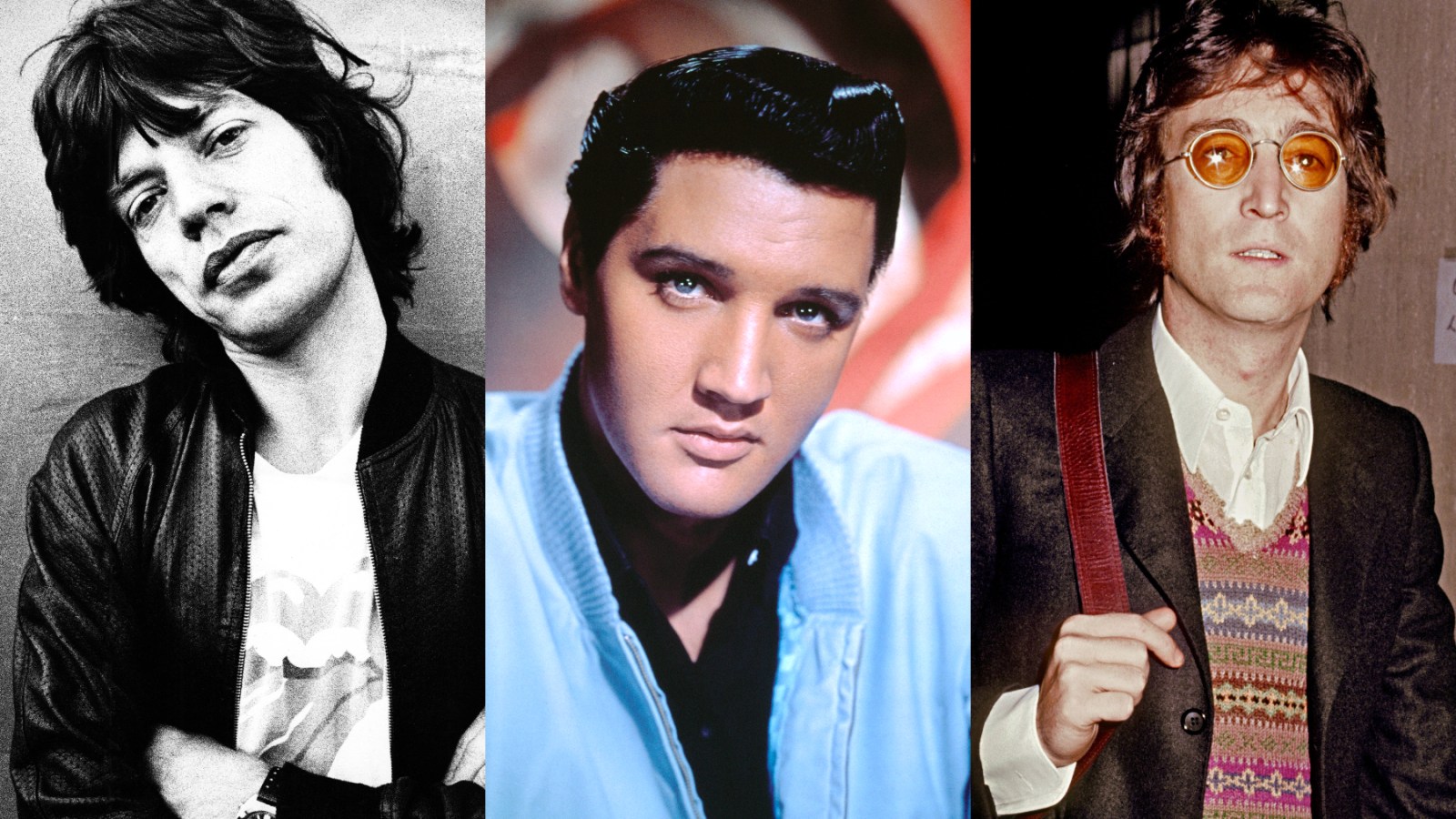
The intersection of legacy brand management, archival storytelling, and historical peer networks has long defined the historiography of rock music. During an appearance on the podcast Conan O’Brien Needs a Friend, Rolling Stones frontman Mick Jagger disclosed that he declined a rare opportunity to meet Elvis Presley based entirely on advice from John Lennon. This revelation offers an analytical window into the informal, highly influential advisory networks that existed among the elite figures of the mid-20th-century music industry, highlighting how competitive and collaborative dynamics coexisted.
The Peer-to-Peer Advisory Network of 1960s Rock Icons
The relationship between the Beatles and the Rolling Stones was characterized by a dialectic of intense market competition and close personal solidarity. Lennon’s advice to Jagger—counseling him to avoid meeting his idols—was not merely casual commentary, but a manifestation of collective brand protection. Having experienced disillusionment after the Beatles’ own encounter with Presley in 1965, Lennon sought to protect his peers from similar disenchantment, thereby maintaining a shared cultural mythology surrounding their foundational influences.
For Jagger, heeding this advice meant prioritizing the preservation of an idealized creative influence over a real-world professional connection. This internal governance model illustrates how early rock icons, despite their disruptive public personas, relied on cautious peer-group consensus to navigate the unprecedented pressures of global stardom. These informal interactions established social and professional boundaries that actively shaped how British Invasion bands positioned their brands within the global entertainment market.
The 1965 Bel Air Summit: Structural Paradigm Friction
The historical catalyst for Lennon’s warning was the August 1965 meeting between the Beatles and Elvis Presley at his Bel Air residence. This summit occurred at a critical industrial transition point, representing the symbolic passing of the torch from the solo-artist, studio-controlled model of the 1950s to the self-contained, collaborative band model of the 1960s. The structural divergence between these two creative paradigms produced immediate interpersonal friction.
Contemporary accounts from figures like the Beatles’ press officer, Tony Barrow, indicate that the encounter was marked by awkwardness and a lack of meaningful artistic exchange. Lennon, who had highly romanticized Presley’s revolutionary cultural impact, found the reality of Presley’s insular, highly managed lifestyle deeply alienating. This disconnect shattered Lennon’s idealized perception, prompting his subsequent candid criticisms to the music press and establishing the cautionary tale that would later deter Jagger.
Demystifying the Hero Narrative: Peer Testimony vs. Industry PR
The divergence between the manufactured public relations narratives of the 1965 summit and the raw reality highlights the role of media gatekeeping in early rock history. While official channels attempted to frame the meeting as a harmonious convergence of musical titans, Lennon’s unfiltered feedback to his peers disrupted these sanitized industry protocols. By sharing his disappointment, Lennon bypassed traditional public relations mechanisms, establishing an insular network of truth-telling among contemporaries.
For Jagger, peer testimony carried far more strategic weight than any official industry narrative. This reliance on internal peer validation fostered an exclusive, highly skeptical community among British artists, who increasingly viewed the older generation of American entertainment figures through a lens of critical detachment. The warning functioned as a defensive mechanism, shielding their own evolving artistic movements from the perceived stagnation of the established guard.
Mythmaking vs. Cultural Capital: The Regret of Creative Preservation
Jagger’s decision to preserve his “version of Elvis” reflects a deliberate strategy of creative preservation. In the cultural industries, an idealized source of inspiration is often more valuable to an artist’s output than the reality of a personal relationship. By avoiding Presley, Jagger protected the artistic catalog of his youth from being compromised by the reality of Presley’s later, highly commercialized career phase.
In retrospect, however, Jagger has reassessed this choice, characterizing the decision as a missed opportunity to secure invaluable historical and personal capital. This shift in perspective is typical of aging legacy artists who begin to prioritize historical documentation and direct experience over the preservation of youthful myths. The missed connection represents a lost moment of cross-generational synergy that could have yielded unique cultural and historical value.
The Homage Framework: Informal IP Negotiation
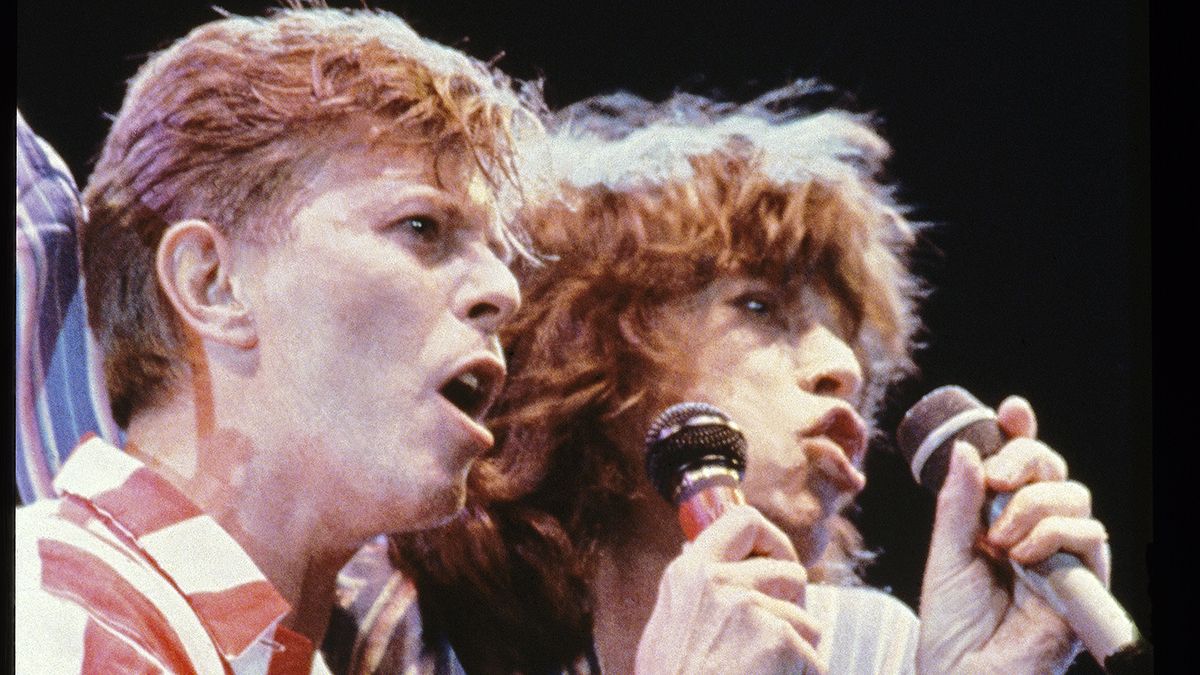
The fluid dynamics of peer influence and creative borrowing during this golden era are further illuminated by Jagger’s relationship with David Bowie. Jagger recalled that Bowie openly acknowledged copying the Rolling Stones’ style on a classic track, framing the appropriation as a “homage” rather than intellectual property theft. This paradigm of mutual respect allowed top-tier artists to negotiate creative boundaries informally, resolving potential conflicts through direct communication.
This cooperative model contrasts sharply with the highly litigious nature of the modern music industry, where rigid copyright enforcement often stifles rapid stylistic evolution. The informal agreements between figures like Jagger, Bowie, and Lennon demonstrate a historical period when creative influence was treated as a shared, dynamic resource, facilitating rapid artistic innovation and establishing the deeply interconnected lineage of classic rock.
Archival Capital: Monetizing Legacy Brands in the Digital Era
The strategic deployment of these historical anecdotes on modern digital platforms serves as a sophisticated tool for contemporary legacy brand management. Jagger’s appearance on Conan O’Brien’s podcast was timed to coincide with the promotional cycle for the Rolling Stones’ album, Hackney Diamonds. By releasing previously unexamined historical narratives, Jagger generates high-value editorial content that drives organic media coverage and digital engagement without relying solely on traditional advertising.
In the current media landscape, archival storytelling bridges generational divides, engaging both nostalgic older demographics and digitally native audiences. Stories involving iconic interactions between the Beatles, the Rolling Stones, Elvis Presley, and David Bowie act as powerful cultural touchstones. Ultimately, Jagger’s reflections demonstrate how personal history is converted into promotional assets, reinforcing the enduring cultural authority and commercial viability of the Rolling Stones brand.