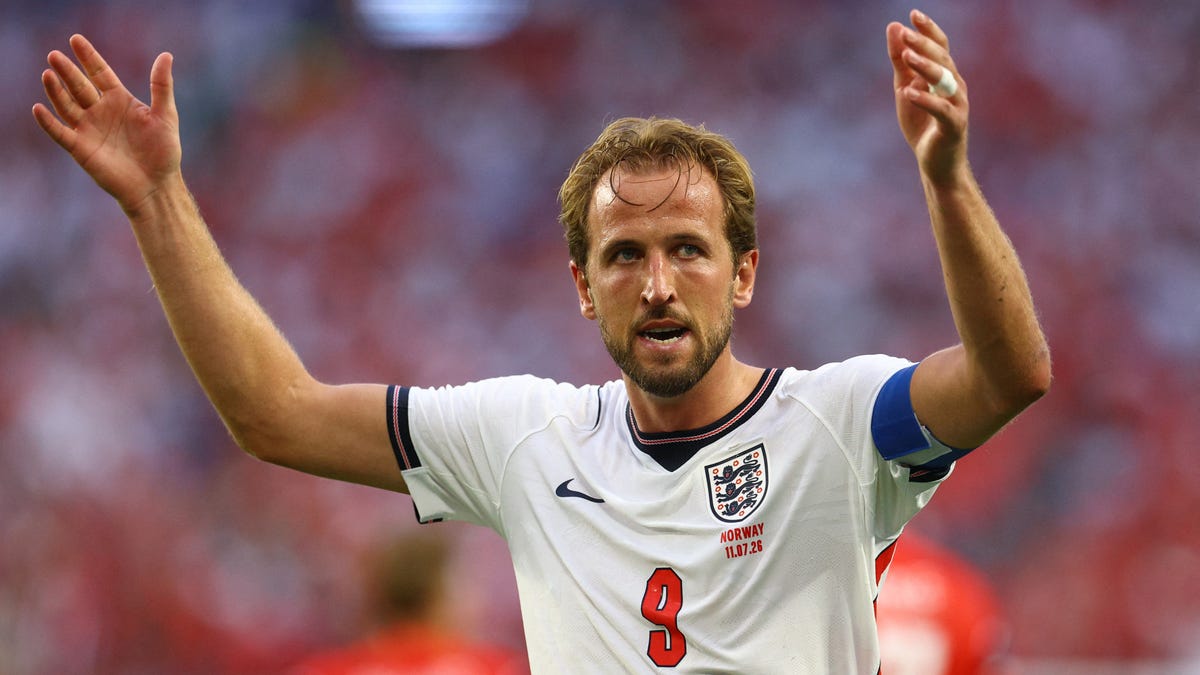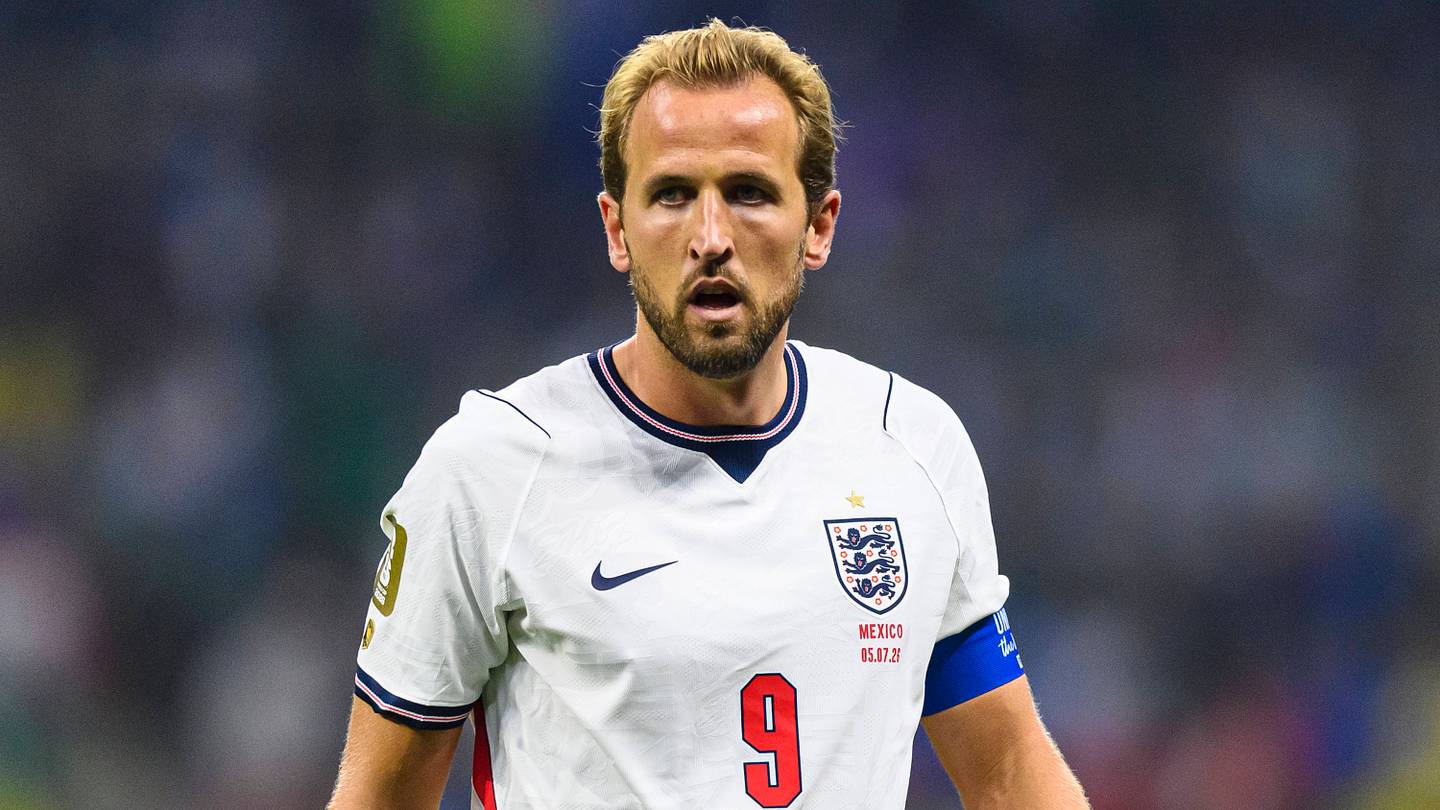
Kane’s Star Power Fuels England Jersey Sell-Outs
The near-complete sell-out of Harry Kane’s England jerseys signifies a potent blend of individual player magnetism and effective retail execution. This surge in demand, mirroring trends seen with his FC Bayern Munich merchandise, underscores the significant commercial leverage elite athletes wield, driving rapid inventory depletion across multiple sales channels.
This phenomenon highlights the critical role of star player endorsements and accessible merchandise in maximizing revenue for sports organizations. The scarcity suggests that initial production and distribution were outpaced by demand, creating a premium market where availability is paramount for fan acquisition and retention.
Nike’s Strategic Success with Iconic Design and Pricing
Nike’s England kits, especially the home and away stadium versions, are seeing unprecedented demand. The home jersey’s revival of 1990s football aesthetics has clearly resonated with consumers, demonstrating Nike’s successful strategy in leveraging historical design elements and national team performance to drive sales.
Priced at $100 for adult and $85 for youth sizes, these official jerseys from Nike and Soccer.com reflect a premium market positioning. This strategy capitalizes on fan loyalty and the heightened anticipation surrounding major tournaments, ensuring substantial revenue capture from dedicated supporters.
Innovative Retail Partnerships Enhance Accessibility
The collaboration between JD Sports and Uber Eats for rapid London and Manchester delivery exemplifies a forward-thinking approach to meeting immediate fan demand. This partnership leverages sophisticated logistics to ensure merchandise is available precisely when it’s most coveted, particularly in the lead-up to crucial matches.
This operational synergy between a leading sports retailer and a delivery platform redefines traditional retail by prioritizing speed and convenience, effectively capturing event-driven purchasing behavior and expanding market reach.
Player-Centric Demand Drives Economic Trends
The intense demand for Harry Kane’s specific England merchandise illustrates a broader economic trend: individual player performance and marketability directly impact merchandise sales and brand value. Difficulty in acquiring these items signals a need for adaptive inventory management and forecasting models capable of handling the volatility of star player appeal.
This player-centric demand naturally fuels secondary markets, potentially driving prices significantly above retail. For governing bodies and manufacturers, understanding and reacting to these dynamics is crucial for optimizing production, managing stock, and capitalizing on athlete popularity.
Competitive Landscape and Brand Loyalty Dynamics
The success of Nike’s England kits, coupled with the scarcity of Kane-specific items, showcases the competitive dynamics of the sports apparel industry. Brands that effectively connect with fan sentiment and player narratives through their product offerings gain a significant market advantage.
The rapid sell-out of England jerseys, particularly those linked to stars like Kane and Jude Bellingham, reinforces the power of emotional connection in sports consumer purchasing decisions. This loyalty is cultivated through on-field success, compelling athlete narratives, and desirable, accessible merchandise.
Logistical Innovations Reshaping Merchandising
The JD Sports and Uber Eats initiative represents a significant evolution in sports merchandising logistics, moving beyond conventional retail to offer on-demand, immediate delivery. This directly addresses the fan’s desire to be fully equipped for key sporting events without delay.
By integrating with a platform like Uber Eats, JD Sports enhances its responsiveness and reach, especially in dense urban markets. This logistical agility is becoming a key competitive differentiator, enabling retailers to secure sales that might otherwise be lost due to stockouts or extended delivery times.
Major Tournaments as Market Amplifiers
Major international football tournaments serve as powerful catalysts for merchandise sales, amplifying existing demand and creating new waves of consumer interest. The visibility and performance of national teams and star players during these events directly correlate with commercial success.
The current scarcity of England jerseys, particularly Harry Kane’s, is intrinsically tied to the anticipation and unfolding narrative of these tournaments. This cyclical demand necessitates robust supply chain management and strategic inventory planning by manufacturers and retailers to maximize opportunities during peak periods.
Fan Culture and Identity Expression Through Merchandise
Purchasing and wearing a national team jersey is a profound expression of fan identity and collective solidarity. The strong desire for a Harry Kane England jersey, even when sold out, reflects a deep connection between supporters, their team, and its key figures.
This cultural dimension of sports fandom translates directly into commercial value, as fans invest in merchandise to feel part of the team’s journey. The scarcity of these items can further heighten their perceived value and desirability among a passionate fanbase.
Strategic Inventory Management in High-Demand Markets
The rapid depletion of England jerseys, especially Harry Kane’s, highlights the challenges and opportunities in strategic inventory management for sports apparel. Accurate demand forecasting, particularly for high-profile players during major events, is crucial for maximizing sales and minimizing lost revenue.
Retailers and manufacturers must balance the risk of overstocking against the imperative to meet peak demand. The current situation indicates that demand for Kane’s merchandise has exceeded initial projections, necessitating agile production and distribution strategies for effective stock replenishment.
Player Branding Extends Beyond the Pitch
Harry Kane’s broad appeal, extending to ventures like his Skechers collection, demonstrates a powerful personal brand that influences consumer decisions across diverse product categories. This multi-faceted presence allows athletes to generate sustained commercial interest beyond immediate on-field performance.
Market Dynamics of High-Demand, Limited Availability
The near sell-out status of Harry Kane’s England jerseys positions them as highly desirable, near-limited-edition items, creating consumer urgency. This scarcity effect can drive increased spending as fans seek to acquire coveted merchandise before it becomes unavailable.
This dynamic is a well-established retail principle where controlled scarcity significantly boosts perceived value and drives sales volume, amplified in sports merchandise by the finite nature of kits tied to specific seasons or tournaments.
Cross-Platform Retail Strategies for Enhanced Fan Access
The JD Sports and Uber Eats integration exemplifies a modern cross-platform retail strategy designed to enhance fan access. This approach recognizes the fluid nature of contemporary consumer behavior across multiple digital and physical touchpoints.
By engaging fans on diverse platforms, companies can broaden their market reach and improve customer satisfaction. This strategic alignment is vital in a competitive landscape where convenience and immediate availability are key purchasing drivers.
Enduring Appeal of Iconic Football Kit Designs
England’s Nike jerseys, with designs drawing inspiration from the 1990s, tap into a powerful sense of nostalgia for long-time football fans. This fusion of historical inspiration and contemporary execution has proven to be a highly successful strategy for Nike.
The enduring appeal of iconic football kits suggests that design elements with historical significance foster deeper consumer connections. Such strategies not only drive immediate sales but also contribute to the long-term brand equity of national team apparel.
Media Narratives Shape Consumer Behavior and Demand
The prevailing narratives surrounding England’s performance and player camaraderie, such as moments of shared celebration, significantly influence public perception and subsequent consumer behavior. Positive media portrayals amplify fan enthusiasm, directly boosting merchandise demand.
The article’s observation that the broader soccer world, excluding Argentina, is supporting England illustrates how media narratives shape collective sentiment, which then translates into tangible actions like purchasing team merchandise, forging a direct link between media coverage and commercial success.
Supply Chain Agility for Future Merchandising Demands
The current stockouts of popular England jerseys, particularly Harry Kane’s, underscore the need for enhanced agility within sports merchandise supply chains. Manufacturers and retailers must be poised to scale production rapidly in response to unexpected demand surges.
This requires robust forecasting, flexible manufacturing, and efficient distribution networks. The ability to swiftly replenish stock during peak demand periods, especially around major sporting events, will be critical for maintaining market leadership and ensuring customer satisfaction.
Strategic Value of Player-Centric Merchandising
The significant commercial success tied to Harry Kane’s individual popularity highlights the strategic value of player-centric merchandising. This approach enables brands to leverage the unique appeal of individual athletes to drive sales and cultivate brand loyalty.
For football clubs and national teams, identifying and nurturing star players with substantial market appeal is a core component of their commercial strategy. The ability to translate player fame into tangible merchandise sales serves as a direct metric of this strategic effectiveness.
Evolving Retail Models in the Digital Era
The JD Sports and Uber Eats partnership represents a crucial adaptation of traditional retail models to the demands of the digital age. This integration of e-commerce with on-demand delivery services is fundamentally reshaping consumer expectations and competitive strategies.
As consumers increasingly prioritize convenience and speed, retailers must innovate to deliver products promptly. This trend indicates a future where the boundaries between traditional retail, e-commerce, and logistics providers will continue to blur, creating new avenues for market penetration and customer engagement.
Global Reach of Football Fandom and Merchandise
The article notes the global support for England from the soccer world, outside of Argentina, underscoring the sport’s pervasive reach and the vast potential market for team merchandise.
This international demand for England jerseys highlights the unifying power of football. Such global appeal necessitates international distribution strategies and a nuanced understanding of diverse market preferences for sports apparel.
Performance Leverage Amplifies Sports Apparel Market
The rapid sales of England jerseys, driven by player popularity and team performance, demonstrate significant performance leverage in the sports apparel market. On-field success directly translates into heightened consumer demand for associated merchandise.
This leverage allows brands to capitalize on moments of triumph and intense fan engagement. Effective inventory and distribution management to meet this demand is critical for maximizing the financial benefits derived from athletic achievements.