Targeted Escalation Against CJNG Command Infrastructure
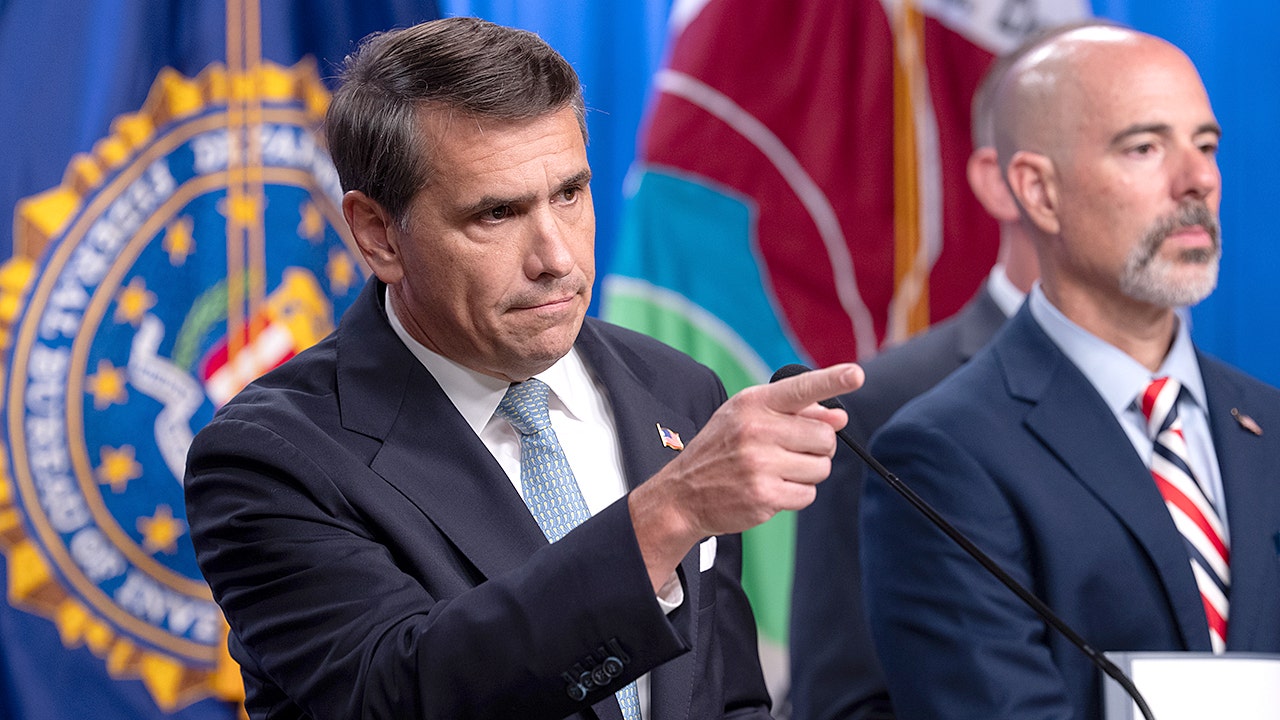
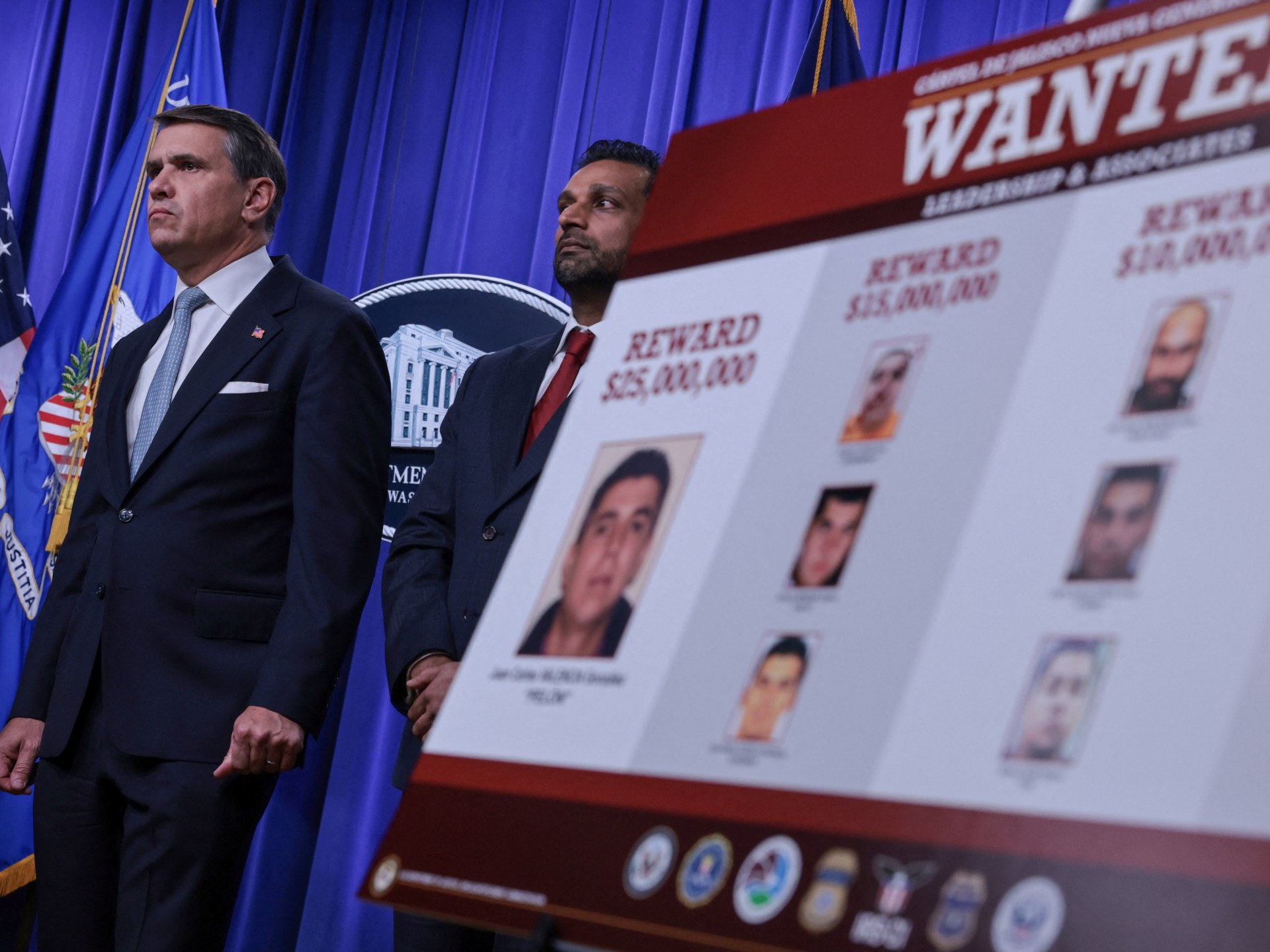
The U.S. Department of State has expanded its narcotics rewards framework against the Jalisco New Generation Cartel (CJNG), raising the bounty for California-born U.S. citizen Juan Carlos González (“El Pelón”) from $5 million to $25 million. This targeted increase reflects federal priorities to disrupt key operational nodes within Mexico’s most expansive criminal syndicate. The individual bounty is part of a broader $102 million monetary commitment targeting eight top-tier CJNG leaders, announced by Acting Attorney General Todd Blanche during a multi-agency briefing designed to incentivize internal breaches within the cartel’s command tier.
Alongside high-value bounties, administrative enforcement has expanded to target secondary operational networks. The U.S. government implemented targeted visa revocations against family members and corporate associates tied to cartel operatives. This dual-track strategy aims to limit physical mobility and restrict access to international financial networks supporting the cartel’s leadership.
Decapitation Mechanics and Succession Instability
The targeted focus on González follows severe structural disruption within CJNG’s core leadership. In February, cartel founder Nemesio Rubén Oseguera Cervantes (“El Mencho”) was killed in a Mexican military operation backed by U.S. intelligence sharing. The elimination of Oseguera Cervantes triggered localized tactical violence in Jalisco, illustrating systemic instability during succession transitions. As the stepson of Oseguera Cervantes, González serves as a vital bridge between legacy command structures and operational continuity, prompting federal law enforcement to deploy high-value rewards to prevent consolidation of leadership.
Federal enforcement agencies seek to leverage the leadership void to accelerate internal fragmentation. By combining intelligence asset operations with financial bounties, federal strategy aims to disrupt the cartel’s capacity to consolidate asset control across regional franchises.
Multi-Agency Indictments: Synthetic Drugs, Hit Squads, and Financial Crimes
Unsealed multi-count federal indictments target CJNG’s operations across multiple illegal domains. The filings document enterprise-scale trafficking of fentanyl, cocaine, and methamphetamine into U.S. markets, backed by systematic illicit weapons acquisition, drug manufacturing, and international money laundering. Beyond traditional narcotics supply chains, the indictments detail specialized white-collar financial crimes, charging three cartel operatives in complex timeshare fraud schemes targeting elderly American citizens.
The legal filings further outline organized enforcement units within the cartel responsible for target executions and internal discipline. Acting Attorney General Todd Blanche emphasized that these specialized hit squads executed targeted killings to preserve enterprise control. The joint filings reflect a structural shift toward prosecuting cartels as integrated transnational criminal enterprises operating across jurisdictional boundaries.
Foreign Terrorist Organization Frameworks and Statutory Mandates
Federal actions against CJNG leverage authorities tied to Foreign Terrorist Organization (FTO) designations, a framework applied to eight Mexican transnational cartels. This legal classification grants expanded statutory powers to U.S. intelligence and enforcement bodies, allowing prosecutors to apply enhanced counter-terrorism legal mechanisms against cartel logistics, communications, and financial channels.
The administrative stance driven by the Trump administration signals an intensified policy focus on Latin American partner nations to deliver measurable security metrics. Integrating counter-narcotics operations with national security protocols expands enforcement tools beyond traditional extradition protocols and mutual legal assistance treaties, shifting the focus toward systematic dismantling of syndicate logistics.
Cross-Border Friction and Bilateral Security Dynamics
The intensified U.S. enforcement posture operates alongside complex bilateral dynamics with Mexico. While joint intelligence sharing enabled the high-impact military action against Oseguera Cervantes, enforcement declarations have generated political friction. Parallel operations by Mexican forces, including a Sinaloa cartel raid resulting in eleven fatalities, reflect ongoing domestic military engagement against alternative criminal factions.
Diplomatic tension has also surfaced over U.S. public statements linking political figures to cartel operations. Mexican President Claudia Sheinbaum publicly questioned U.S. claims regarding alleged cartel ties involving the governor of Sinaloa. This friction highlights the delicate balance governing intelligence sharing, sovereignty, and cross-border security operations.
Market Impacts and Operational Degradation Strategy
Deploying $102 million in financial bounties serves to degrade the commercial incentives driving transnational illicit trade. By focusing resources on operational leaders like González, U.S. authorities aim to disrupt multi-commodity supply chains, synthetic drug production pipelines, and capital repatriation mechanisms. Coupled with financial sanctions and visa restrictions, the strategy seeks to isolate cartel leadership from legitimate global economic systems and compress the organization’s broader operational capacity.