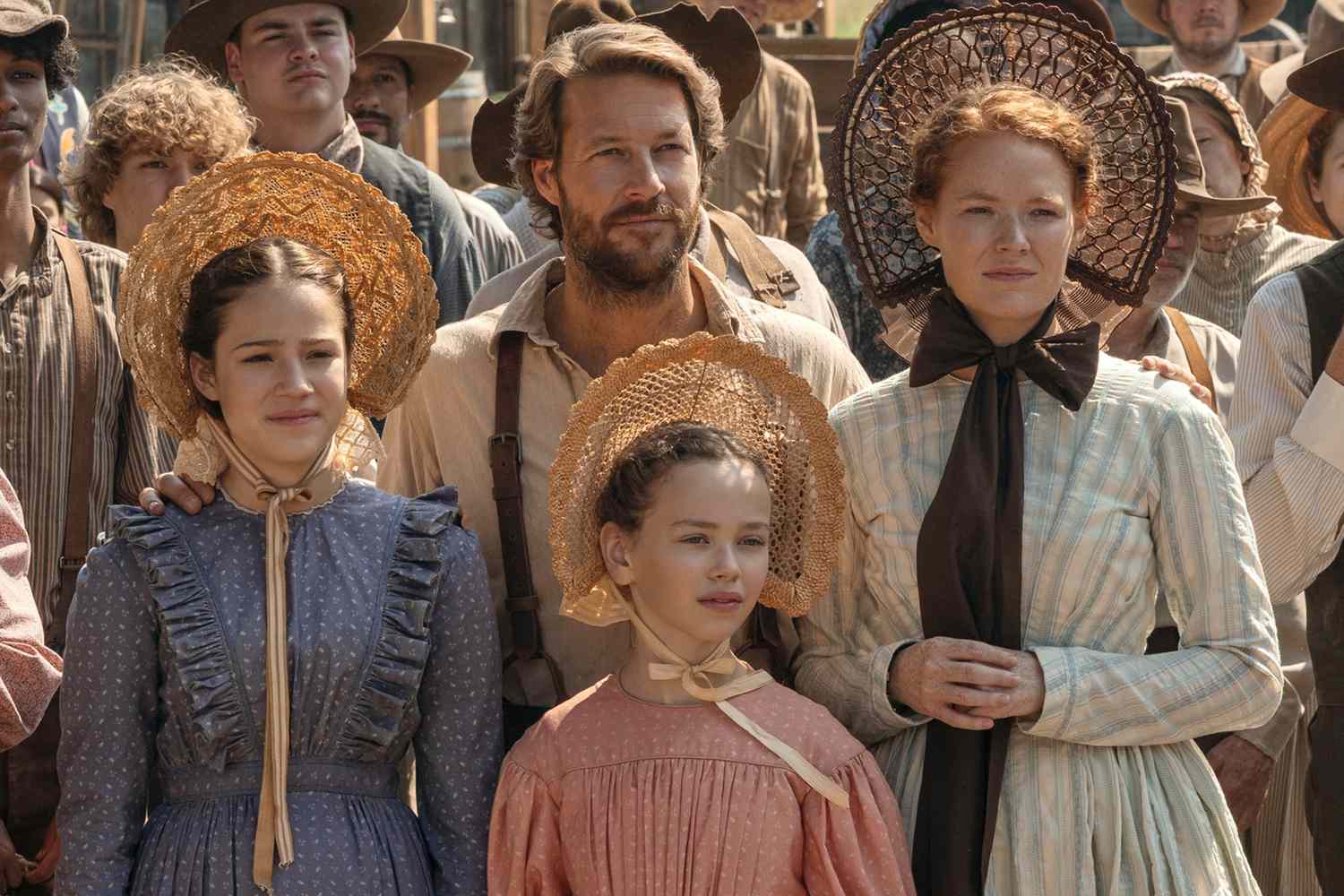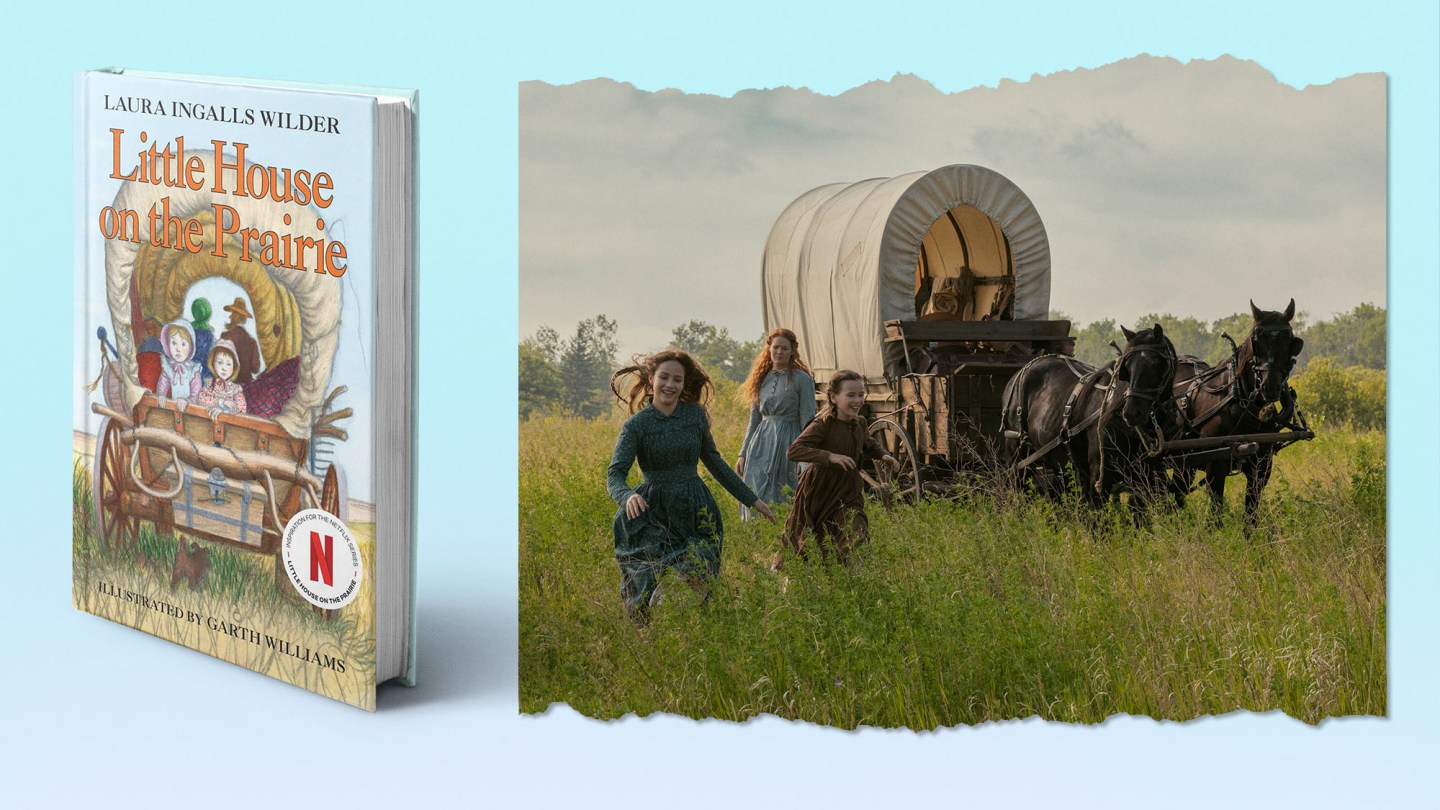
Netflix’s decision to renew its adaptation of Little House on the Prairie for a second season in March 2026—months before its series premiere—represents a fundamental shift from data-reactive commissioning to a preemptive, asset-driven investment strategy. This commitment signals institutional confidence in the series’ internal metrics and highlights the logistical necessity of securing high-value intellectual property within a fragmented streaming market. By bypassing the traditional post-premiere evaluation window, the platform is prioritizing narrative continuity and the long-term architecture established by showrunner Rebecca Sonnenshine.
Capital Allocation and Operational Continuity
The timing of this renewal functions as a critical mechanism for capital efficiency. In a competitive labor market, securing the availability of primary talent like Luke Bracey and Alice Halsey mitigates the financial risks of escalating costs or scheduling conflicts. This strategy locks in the production pipeline, facilitating a streamlined transition between seasons and minimizing the substantial overhead associated with restarting dormant production cycles. Beyond logistics, the early renewal serves as a high-fidelity marketing signal, positioning the series as a multi-year franchise cornerstone before public engagement even begins.
The Sonnenshine Doctrine: Interrogating the Frontier
Showrunner Rebecca Sonnenshine’s transition from the subversive deconstruction of The Boys to the agrarian landscape of Little House on the Prairie suggests a sophisticated thematic pivot. Her assertion that “America is a myth-maker” indicates the series will move beyond parochial nostalgia to examine the power structures and expansionist ideologies of the 19th century. This analytical approach aligns the project with contemporary prestige dramas that utilize historical settings to explore modern socio-political tensions. By framing the frontier as a site of manufactured national identity, the production targets a demographically diverse audience that demands intellectual depth alongside period aesthetics.
The Book-by-Book Mandate: Structural Discipline
The adoption of a “book-by-book” adaptation model provides a disciplined roadmap for narrative pacing. This systematic approach mirrors the chronological evolution of Laura Ingalls Wilder’s original texts, ensuring a predictable framework for budgeting, location scouting, and character development. This fidelity manages legacy fan expectations while preventing the narrative drift that often plagues long-form streaming adaptations. Furthermore, allowing the younger cast, including Skywalker Hughes and Crosby Fitzgerald, to age in real-time alongside their characters adds a layer of developmental authenticity that fosters long-term viewer loyalty.
Competitive Positioning in the Prestige Western Market
The current resurgence of the Western genre, catalyzed by the success of Yellowstone and its derivatives, has created a lucrative market for frontier-focused narratives. Netflix’s entry into this space with a high-prestige, family-oriented adaptation is a calculated effort to capture a segment currently underserved by more explicitly violent or adult-oriented Westerns. By blending the grit of survivalism with the emotional resonance of domestic drama, the series occupies a unique competitive niche. Leveraging the global recognition of the Little House brand, Netflix is positioned to maximize international returns, utilizing its distribution network to turn a localized American myth into a global franchise asset.