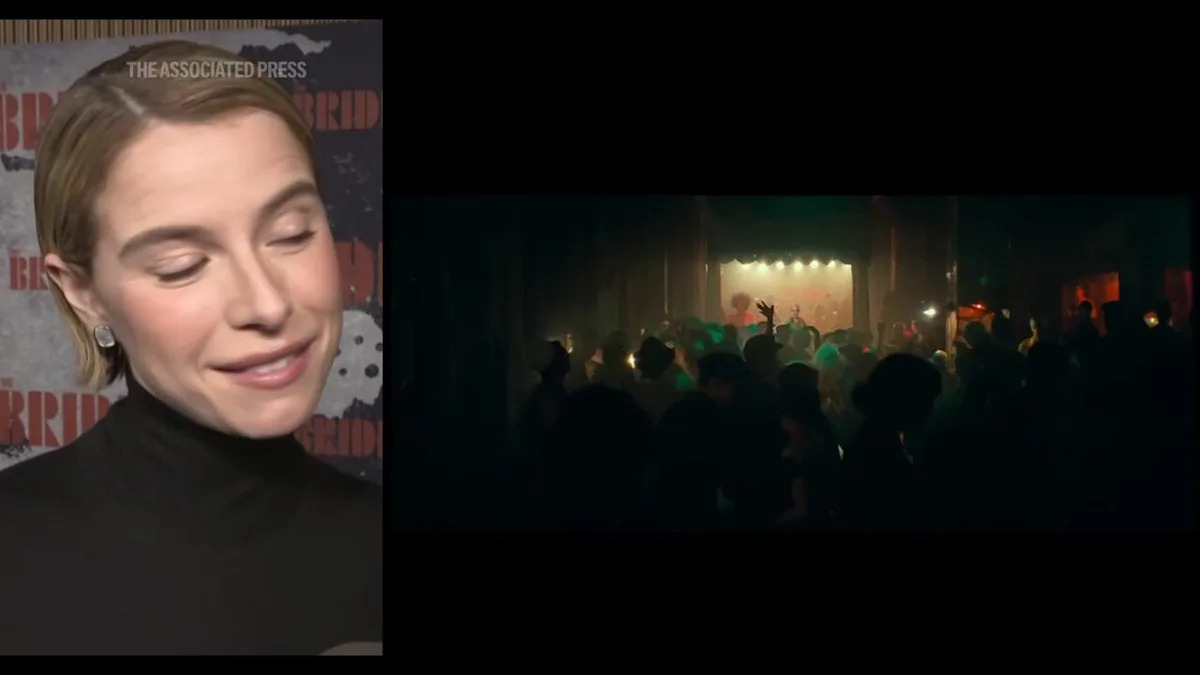
The New York premiere of Maggie Gyllenhaal’s The Bride! at Jazz at Lincoln Center transcends standard promotional cycles, functioning instead as a high-stakes assertion of creative and commercial authority. By situating this reimagining of the Frankenstein mythos within an elite Manhattan cultural hub, the production signals a tactical pivot toward ‘elevated horror’—a market where classical IP is leveraged to secure both critical prestige and mainstream visibility.
The event serves as a focal point for Gyllenhaal’s transition into a comprehensive filmmaker-producer role. This shift is characterized by a high degree of operational control, moving away from the precariousness of traditional studio ensembles toward a more insulated, collaborative ecosystem. This evolution is most visible in the film’s reliance on a family-centric production model, which prioritizes institutional trust over industry-standard talent sourcing.
The Strategic Logic of Creative Insulation
The Bride! functions as a structural case study for the family-led production model. By casting Peter Sarsgaard in a primary role and securing a cameo by Jake Gyllenhaal, the project utilizes internal professional synergies to mitigate the friction often found in mid-budget filmmaking. This alignment ensures a baseline of creative continuity and shared artistic vocabulary that can streamline complex narrative development.
The involvement of screenwriter Naomi Foner Gyllenhaal further reinforces this multi-generational legacy. This concentration of creative capital within a single unit provides a unique competitive advantage, offering a level of intellectual and stylistic coherence that is difficult to replicate in traditionally assembled productions. This ‘creative insulation’ allows the director to bypass conventional gatekeeping, ensuring her vision remains uncompromised by external commercial pressures.
Subverting Intellectual Property for Modern Markets
Gyllenhaal’s engagement with the Bride of Frankenstein narrative is a calculated exercise in IP subversion. By focusing on the resurrection of a murdered woman, the film taps into recognizable archetypes while expanding into contemporary themes of agency and identity. Starring Jessie Buckley and Christian Bale, the project secures high-caliber talent known for transformative performances, immediately elevating the film from a genre exercise to a prestige offering.
This casting strategy is essential for capturing a sophisticated demographic that demands technical precision and narrative depth. By centering the female protagonist’s journey from companion to autonomous entity, Gyllenhaal aligns the film with broader industry trends that favor the deconstruction of classical tropes. This thematic direction provides the project with a distinct advantage in a global marketplace increasingly hungry for revisionist storytelling.
Brand Identity and the PR Mechanics of Visibility
The public introduction of Ramona and Gloria Sarsgaard at the premiere marks a strategic shift in the family’s traditionally private brand. This rare appearance functions as a potent marketing tool, humanizing the production team while creating a narrative of personal investment. Ramona Sarsgaard’s choice of aesthetic—incorporating black face paint that mirrored the film’s lead—transformed a red-carpet event into a visual extension of the film’s internal world.
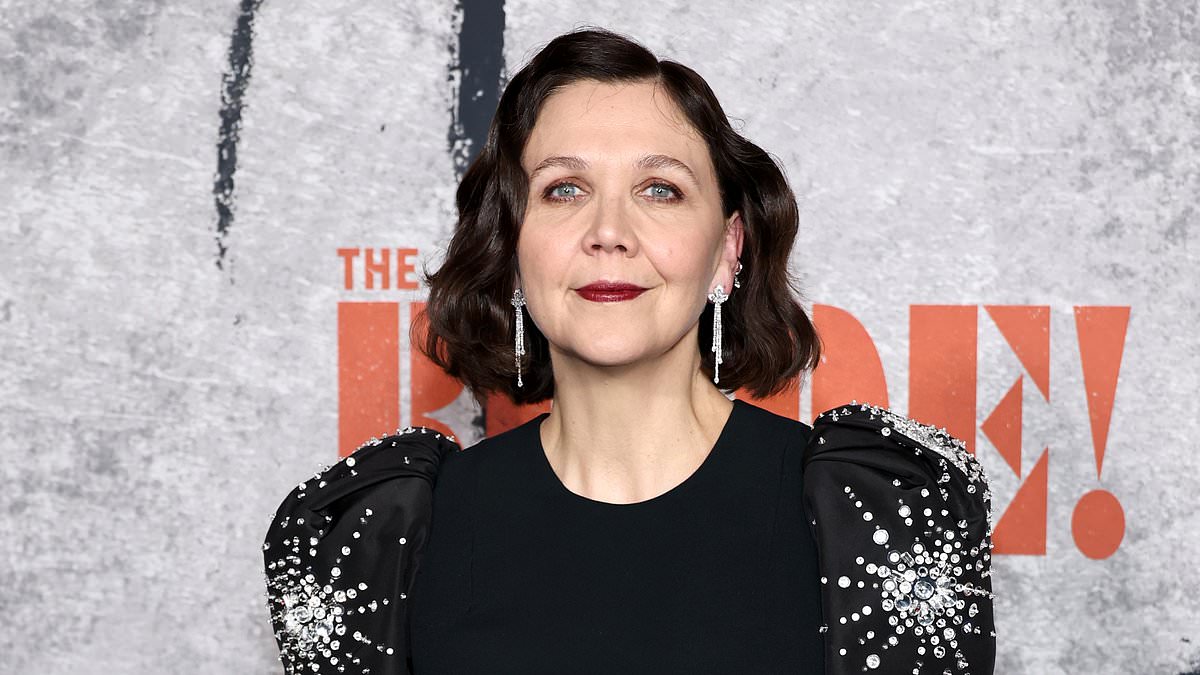
Furthermore, Gyllenhaal’s choice of a crystal-embroidered Miu Miu gown reflects an acute understanding of red-carpet economics. The sculptural silhouette projects an image of professional authority and refined complexity, reinforcing her brand as a director who values precision. This partnership with a luxury fashion house ensures visibility within high-authority media outlets, extending the film’s reach into the fashion and lifestyle sectors and maximizing its cultural footprint.
Institutional Positioning and Genre Impact
The selection of Jazz at Lincoln Center as the premiere venue situates The Bride! within a context of high culture, differentiating it from conventional commercial releases. This institutional backing, combined with a New York setting that caters to industry-heavy audiences, establishes the film as a serious contender for the awards cycle and prestige festival circuits.
Ultimately, The Bride! is poised to influence the trajectory of the horror genre by proving the viability of talent-driven, high-concept reimagining. Gyllenhaal’s ability to navigate the intersection of family legacy, luxury branding, and narrative subversion sets a new benchmark for how independent auteurs can revitalize legacy IP for a modern, informed audience.