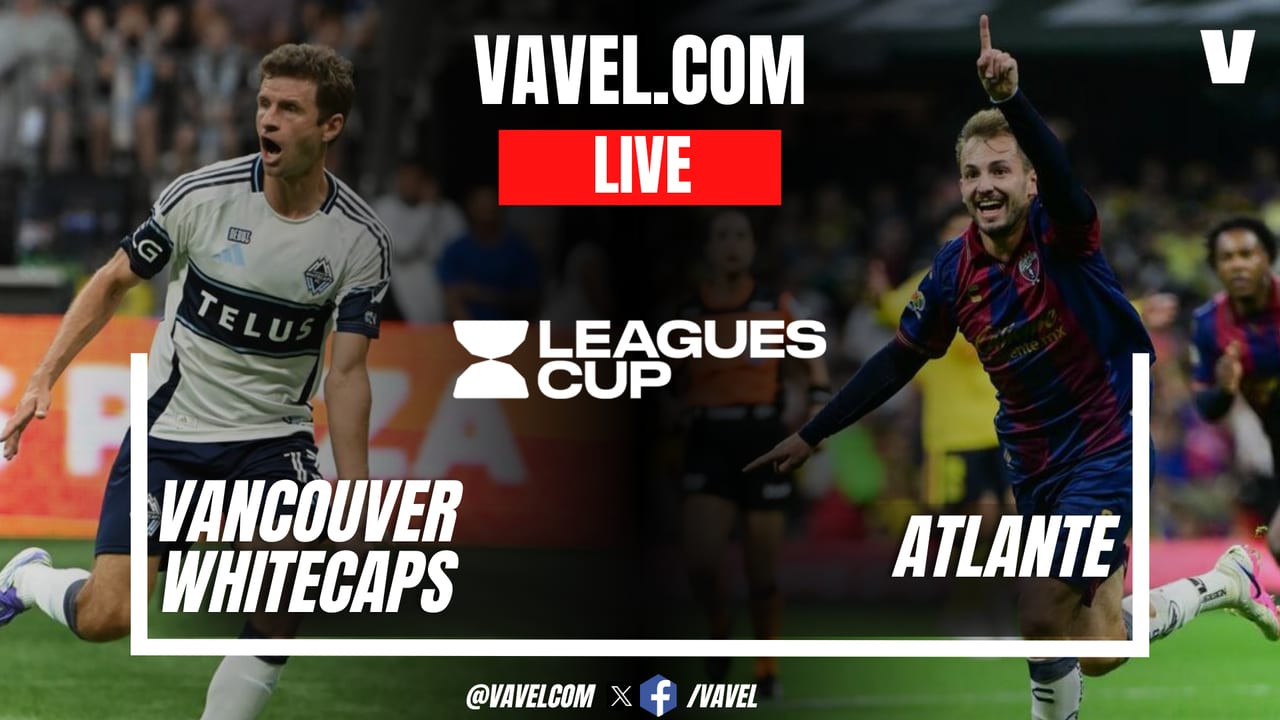
Cross-Confederation Showdown: Analyzing the MLS-Liga MX Strategic Nexus
Scheduled for August 4, 2026, at 10:30 PM, the Leagues Cup fixture between the Vancouver Whitecaps and Atlante transcends a mere game, acting as a crucial barometer for the strategic integration and competitive evolution of North American football. This encounter between top-tier clubs from distinct league systems illuminates the ongoing quest for competitive parity and institutional synergy between Major League Soccer (MLS) and Liga MX.
The Leagues Cup itself is a deliberate strategic initiative, conceived to forge deeper ties and elevate the continental football landscape. Such tournaments are instrumental in expanding commercial reach, attracting new audiences, and diversifying revenue streams, thereby bolstering the financial health and market presence of participating clubs and leagues.
Competitive Imperatives and Performance Metrics
For the Vancouver Whitecaps, co-leading the MLS Western Conference with LAFC, this match presents a rigorous test of tactical versatility and resilience. Their recent domestic form, marked by an inability to consistently secure wins, amplifies the stakes, making their Leagues Cup performance a key indicator of their broader competitive readiness and capacity to adapt to varied opposition.
Manager Jesper Soerensen’s approach will be under intense scrutiny as his squad confronts the distinct challenges posed by a Liga MX opponent. The strategic shift required from MLS-centric tactics will not only influence immediate tournament progression but also offer critical insights into their ability to perform under cross-league pressures, impacting team morale and future strategic planning for continental competitions.
Atlante arrives with formidable momentum from Liga MX, buoyed by a recent victory over Cruz Azul. Under Miguel Herrera’s seasoned leadership, their strong start in the Leagues Cup, where they currently top their group, establishes them as a formidable contender with robust tactical discipline.
This international exposure allows Atlante to validate their domestic success on a larger platform, testing squad depth and strategic execution against a different footballing philosophy. Such cross-league competition is invaluable for player development, enhancing individual market valuations, and elevating the club’s global brand recognition.
Commercial Strategy: Hosting, Broadcast, and Market Penetration
The Vancouver Whitecaps leverage their home advantage at BC Place, a significant operational factor that can sway match outcomes through fervent fan support and environmental familiarity. Beyond the pitch, hosting generates substantial local economic activity and reinforces the club’s community engagement initiatives, translating competitive advantage into broader stakeholder value.
The fixture’s multi-platform availability via Apple TV and traditional channels highlights a pivotal shift in sports broadcasting towards digital distribution. This strategy maximizes audience reach across diverse geographies, amplifying the commercial viability of the Leagues Cup and attracting a global viewership beyond conventional football markets.
Apple TV’s role as a primary broadcast partner underscores the increasing investment by major technology firms in live sports content—a strategic play for subscriber acquisition and retention. This partnership injects significant financial backing and global visibility into the Leagues Cup, elevating its stature within the international football calendar and enhancing its appeal to premium sponsors.
This comprehensive broadcast model ensures that competitive narratives and player performances resonate with an expansive audience, critically amplifying the stakes for both clubs and their respective leagues. Widespread exposure is fundamental for the Leagues Cup’s sustained growth, cultivating fan loyalty and attracting new demographics to the burgeoning North American football ecosystem.
Institutional Development and Strategic Incentives
The Leagues Cup’s direct pathway to the 2026 Grand Final provides a clear and potent incentive for clubs to commit significant resources and strategic focus. This structured progression transforms early-round encounters into high-stakes contests, imbuing each match with substantial implications for championship aspirations and club prestige.
For both the Whitecaps and Atlante, a decisive victory is not merely about three points; it’s about solidifying their trajectory towards a title that confers considerable prestige and financial reward. The pursuit of the Grand Final serves as a powerful catalyst, driving competitive intensity and sophisticated strategic decision-making throughout the tournament.
The institutional framework of the Leagues Cup, uniting two distinct league systems, exemplifies a model for regional football integration and strategic collaboration. This concerted approach aims to elevate overall play quality, foster cross-cultural sporting exchanges, and cultivate a more unified, commercially robust football ecosystem across North America.
The participation of clubs recognized as “among the best in their respective leagues” validates the tournament’s competitive integrity and aspirational quality. This ensures a consistent delivery of high-caliber matches, reinforcing its appeal to fans, broadcasters, and commercial partners, thereby strengthening its long-term institutional standing and market relevance.
Governance and Officiating in Cross-League Competition
The appointment of Robert Maxwell as the center referee for this Matchday 1 fixture at BC Place underscores the critical importance of consistent and impartial officiating in cross-confederation competitions. Ensuring fair play and uniform application of rules across varied league systems is paramount for maintaining the tournament’s integrity and credibility.
The selection of experienced officials for such high-profile matches reflects an institutional commitment to rigorous standards of governance. This focus on robust refereeing frameworks is essential for minimizing controversial outcomes and ensuring competitive results are determined solely by on-field performance, thereby protecting the tournament’s reputation and legitimacy.
Effective officiating in a multi-league context demands a nuanced understanding of diverse tactical approaches and player behaviors. This institutional attention to detail in match governance reinforces the professional standards of the Leagues Cup, enhancing its appeal and trustworthiness among clubs, players, and a global fan base.
Long-Term Market Evolution and Stakeholder Value Creation
The sustained success and expansion of the Leagues Cup are pivotal for the long-term evolution of the North American football market. By consistently delivering high-quality, cross-league competition, the tournament actively cultivates a more sophisticated and engaged fan base, driving robust growth in attendance, viewership, and merchandising revenues.
Stakeholders, including club owners, league executives, and commercial partners, directly benefit from the enhanced exposure and increased valuations that integrated competitions provide. The Leagues Cup serves as a powerful platform for talent showcases, attracting critical investment, and positioning North American football as a significant global player, influencing strategic decisions concerning infrastructure, player acquisition, and youth development pathways.
Strategic decisions by clubs like Vancouver Whitecaps and Atlante regarding their participation and performance in the Leagues Cup have cascading effects on their brand equity and competitive standing within their respective domestic leagues. Success in this cross-confederation format can significantly elevate a club’s profile, attracting superior talent and larger sponsorship deals, thereby fostering a virtuous cycle of growth and achievement.
Ultimately, the Vancouver Whitecaps vs. Atlante fixture is more than a single game; it is a microcosm of the broader strategic forces shaping the future of North American football. Outcomes and performances in such matches directly contribute to the competitive narrative, financial vitality, and institutional maturation of the entire regional football ecosystem, catalyzing continuous innovation and market expansion.