Strategic Convergence: Beyond the Traditional Endorsement Model
The recent ten-day commercial activation surrounding Angel Reese represents a sophisticated orchestration of multi-sector brand integration, signaling a structural evolution in the WNBA’s operational strategy. By synchronizing the release of a Mattel Barbie Signature doll with a signature Reebok footwear launch and a league-sanctioned theme night, stakeholders have transitioned from isolated endorsements toward a model of vertical brand immersion. This convergence leverages the athlete’s personal brand equity to drive high-margin revenue across the toy, apparel, and live entertainment sectors simultaneously.
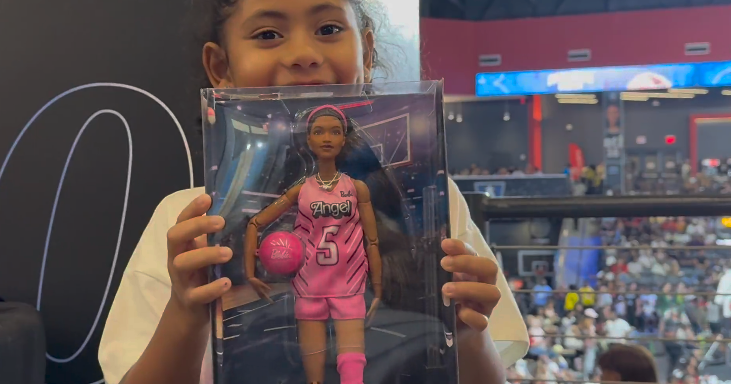
The unveiling of the Barbie doll on July 24 served as the primary catalyst for a sequence of high-value activations designed to capture diverse consumer segments. This was not merely a licensing agreement; it was a strategic positioning of Reese as a cultural bridge between professional athletics and the premium lifestyle market. The doll’s curated aesthetic—featuring her signature headband and leg sleeve—translates physical athlete branding into a tangible, collectible asset, reinforcing the ‘Barbie Signature’ brand’s expansion into high-growth sports demographics.
Operational Execution and the Experiential Revenue Model
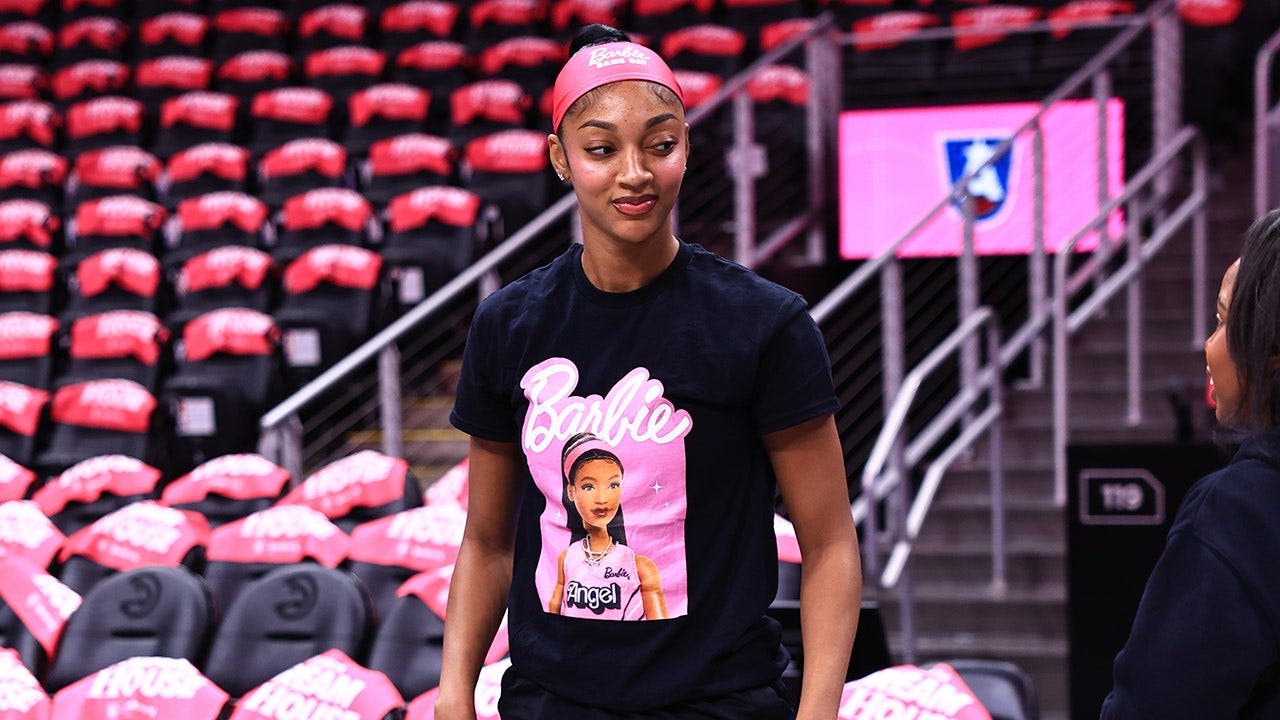
The ‘Barbie Game Day’ hosted at State Farm Arena on August 3 provides a blueprint for how professional sports franchises can utilize experiential marketing to decouple ticket value from on-court performance. The transformation of the arena into a themed ‘Dream House’ utilized a multi-layered operational plan, including specialized ticket tiers and limited-edition merchandise drops. This strategy shifts the value proposition for fans from a singular athletic contest to a comprehensive cultural event, mitigating the financial risks associated with the inherent volatility of professional sports results.
Integration of local micro-economies, such as pre-game makeovers and interactive photo installations, further maximized fan engagement. These activations drove significant foot traffic to the apparel store for high-margin, Barbie-themed jerseys and ‘Angel’ headwear. By co-opting a global icon’s visual identity, the WNBA effectively elevated its own commercial profile, demonstrating a sophisticated mastery of modern media cycles where the physical product and the athlete’s persona are inextricably linked.
The Economics of Representation and Market Differentiation
Angel Reese’s narrative regarding the historical scarcity of dolls reflecting her likeness serves as a powerful driver for the collaboration’s commercial viability. From a strategic standpoint, this narrative creates a ‘buy-in’ for consumers who perceive the purchase as an act of cultural participation. This alignment of personal history with product development allows Mattel to position the item as a milestone in representation, rather than a mere retail product.
Market response indicates that the ‘ATL Barbie’ and the concurrent Reebok Angel Reese 1 release are being treated as high-value assets within the secondary and collector markets. The consumer behavior observed—typical of limited-edition ‘drops’ in the sneaker industry—is critical for maintaining long-term brand relevance. Furthermore, the collaboration addresses a specific market gap by targeting young Black women and girls, a demographic central to the WNBA’s long-term growth strategy of building a multi-generational, loyal fan base.
Conclusion: Institutional Implications for Women’s Sports
The success of the Reese-Mattel-Reebok triad will likely catalyze a new wave of cross-platform partnerships across women’s professional leagues. Institutions are now observing how lifestyle-performance crossovers can elevate individual athletes into central nodes of a complex commercial network. For the WNBA, this provides critical data on consumer preferences and the efficacy of theme-based ticketing, offering a roadmap for attracting non-traditional sports sponsors seeking authentic connections with female consumers.
Ultimately, this 10-day blitz establishes a new standard for athlete branding. Future stars will view this integration as the benchmark for building resilient personal brands that command influence across multiple industries. The ‘ATL Barbie’ is more than a toy; it is a symbol of the evolving economic power of the WNBA and the sophisticated marketing machinery now driving the league toward global icon status.