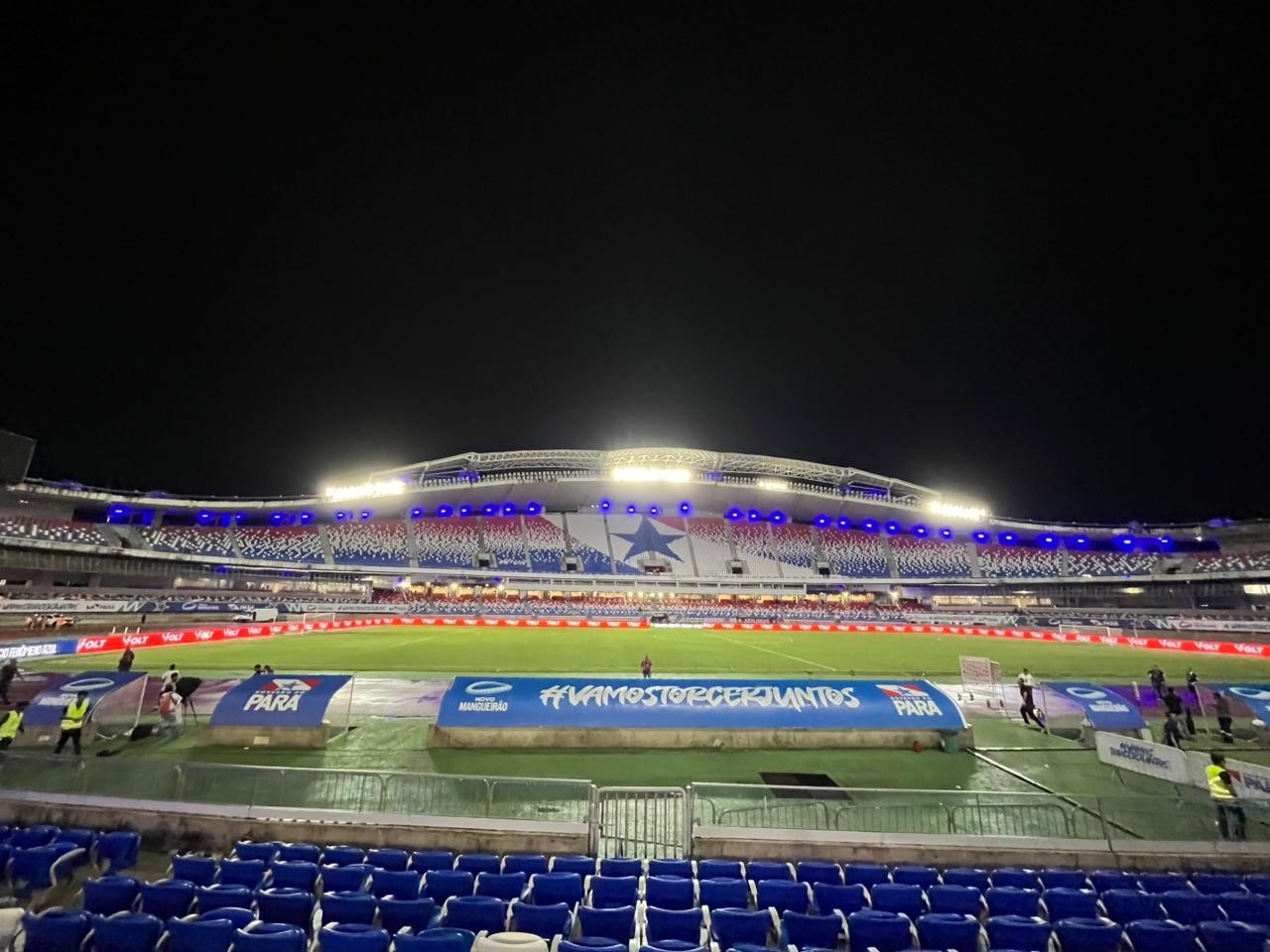
The second leg of the 2026 Copa do Brasil round of 16 between Club Remo and Santos FC at the Mangueirão stadium in Belém presents a high-stakes convergence of athletic performance, financial incentives, and operational logistics. Following a goalless draw in the first leg at the Vila Belmiro, both clubs enter the decisive fixture on equal footing. Beyond athletic advancement to the quarterfinals, a direct cash distribution of R$ 4 million from the Brazilian Football Confederation (CBF) is at stake.
For Santos, the match serves as an operational benchmark to halt a five-year absence from the tournament’s quarterfinal stage. For Remo, playing at full capacity in Belém offers a structural home-field advantage after achieving a disciplined defensive result away from home. Under tournament regulations, any victory in regular time secures qualification, while a draw of any scoreline triggers a direct penalty shootout without the application of away-goal rules.
Financial Allocations and Institutional Impact
The R$ 4 million progression prize represents a critical capital influx within domestic football governance. For lower-tier and regional institutions like Remo, securing these funds directly fortifies short-term budget planning, payroll sustainability, and potential infrastructure investments. Consequently, the economic output shifts the match’s significance beyond competitive prestige into institutional balance sheet optimization.
For Santos, advancing to the quarterfinals is vital for meeting annual budgetary projections linked to national tournament milestones. Sustained participation in the Copa do Brasil generates required liquidity for squad maintenance and financial stability. A premature elimination would introduce an immediate revenue shortfall relative to seasonal fiscal planning, sharpening tactical urgency on the pitch.
Tournament Mechanics and Regulatory Framework
The regulatory structure of the 2026 Copa do Brasil eliminates away-goal weighting. The initial 0-0 outcome at the Vila Belmiro establishes neutral aggregate terms for the remaining 90 minutes. This framework compresses tactical error margins, requiring both technical staffs to manage game states with precise risk allocation.
Should the match conclude in a draw after regulation time, the winner will be determined immediately by a penalty shootout. The absence of extra time shortens physical exertion while increasing psychological exposure during spot kicks, influencing late-game tactical substitutions and risk management.
Player Availability, Logistics, and Information Control
Santos’ operational itinerary involved managing the travel schedule of forward Neymar. The player attended the sixth annual charity auction for the Instituto Neymar Jr in São Paulo the evening prior to the match before traveling independently via private aviation to join the squad in Belém on matchday.
This split delegation protocol highlights the operational intersections of commercial commitments and team preparation. Coordinating individualized travel alongside collective squad schedules requires precise administrative management between club staff and personal representatives.
Tactical Confidentiality and Squad Readiness
Pre-match preparations experienced external scrutiny following public statements by Neymar regarding squad selection leaks. The player expressed dissatisfaction over journalistic reports indicating he would begin the match on the substitute bench prior to official technical briefings, underscoring ongoing challenges in internal information control.
Despite the public discourse around team news, Neymar explicitly confirmed his physical availability to participate, leaving final tactical implementation and workload allocation to the technical staff. Managing late-arriving key personnel under elimination conditions remains a core operational challenge for the coaching staff.
Historical Trends, Venue Context, and Broadcast Distribution
Santos aims to replicate its away performance pattern from earlier in the 2026 tournament. In the previous round, Santos drew its home leg against Coritiba at the Vila Belmiro before securing qualification with a road victory at the Couto Pereira. Re-establishing this tactical model in Belém is vital to breaking the club’s half-decade quarterfinal drought.
Remo’s strategic plan relies on leveraging the environment at the Mangueirão. The opening 0-0 draw generated significant local interest, leading to an anticipated sellout crowd. For regional clubs, hosting traditional powerhouses generates substantial ticketing and commercial revenue alongside potential prize allocations.
Historical Significance of the Mangueirão
The Mangueirão carries historical context for Brazilian football and Neymar’s career trajectory. In September 2023, during a FIFA World Cup qualifier against Bolivia, the stadium served as the site where Neymar surpassed Pelé in official FIFA goal counts for the Brazilian national team. Returning to Belém connects past international milestones with present domestic club obligations.
National television distribution for the fixture is anchored by sportv and Premiere, with real-time digital tracking provided by ge. Comprehensive media coverage ensures national commercial visibility for corporate sponsors and both competing institutions.
Strategic Synthesis
As kickoff approaches at 21:30 BRT in Belém, both institutions face a decisive operational test. For Santos, securing advancement stabilizes financial projections and restores historical competitive standards. For Remo, eliminating a top-flight opponent provides immediate capital and elevates institutional prestige within the national landscape.