
Fiscal Imbalance and the Liquidity Constraint
The Democratic National Committee (DNC) is currently navigating a period of acute institutional fragility, defined by a widening divergence between its operational solvency and strategic imperatives. Under the stewardship of Chair Ken Martin, the organization is grappling with a balance sheet reporting $16 million in cash against $18 million in debt. This negative net liquidity position, occurring just 99 days before the midterm elections, indicates a fundamental misalignment between the party’s fundraising velocity and its expenditure commitments.
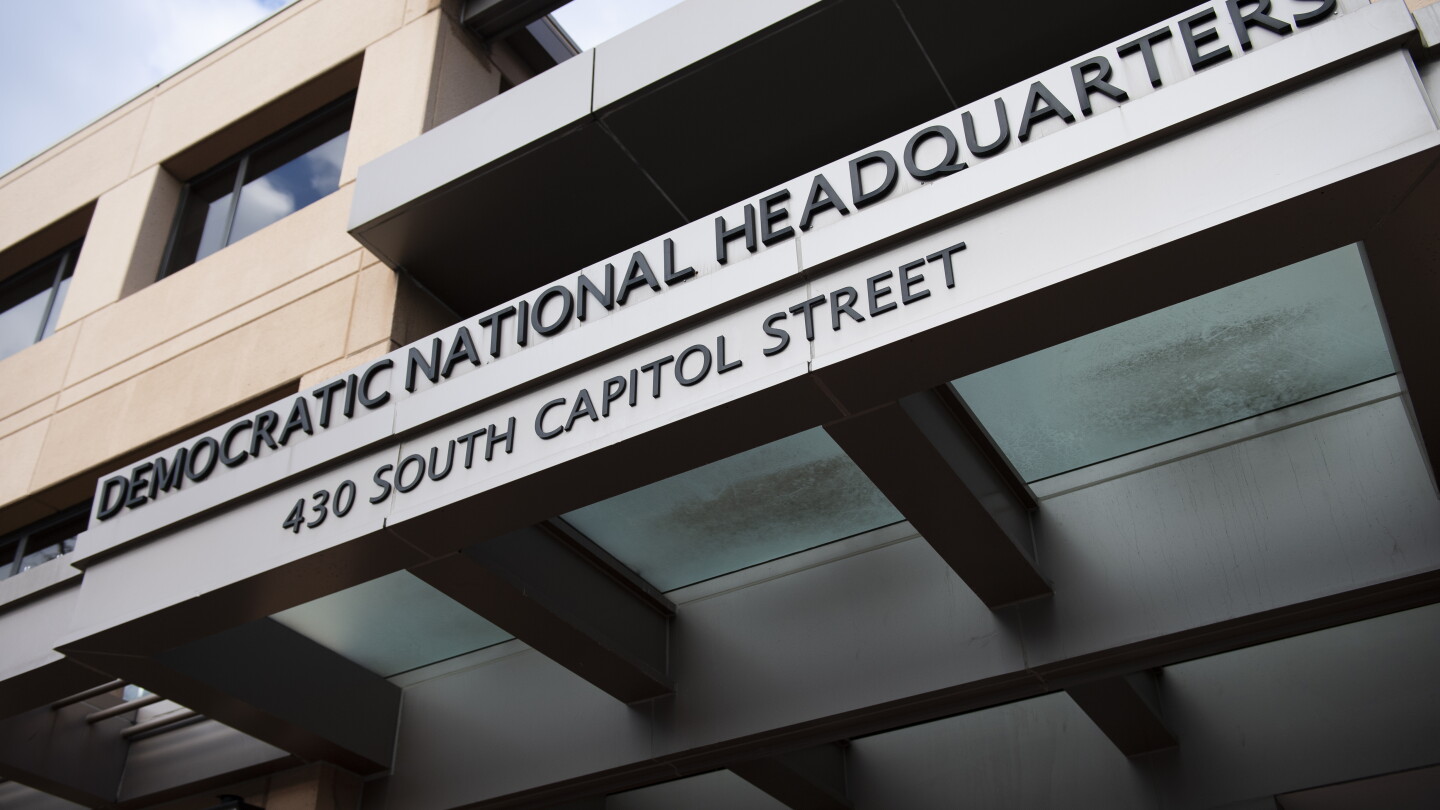
The decision to utilize the DNC headquarters as collateral for a $15 million line of credit serves as a critical indicator of the current fiscal environment. While institutional precedents for such leveraging exist, the timing of this encumbrance suggests a shift toward defensive financial management. The reliance on property-backed credit implies that traditional donor pipelines are failing to provide the immediate capital necessary to sustain high-intensity campaign operations, forcing the committee into a cycle of asset hypothecation.
Leadership Volatility and Governance Failures
Ken Martin’s operational posture is increasingly characterized by a retreat from public-facing responsibilities in favor of internal surveillance. Reports of leadership monitoring the social media activity of committee members and avoiding traditional media engagements signal a crisis of confidence. This defensive stance has catalyzed a trust deficit, transforming interpersonal friction into a systemic barrier to operational efficiency.
When leadership adopts a bunker mentality, the flow of critical information is restricted, and collaborative decision-making is replaced by reactive management. Such volatility is particularly detrimental during a campaign cycle where rapid response is essential. Internal reports of Martin’s hostile reactions to dissent further alienate key operatives and state-level leaders, threatening the cohesion of the party’s internal coalition and its ability to maintain competitive parity.
Strategic Opportunity Costs and Demographic Erosion
The DNC’s financial constraints have immediate implications for its market positioning. With $18 million in liabilities, the organization’s capacity to subsidize state-level parties or invest in high-yield media buys is severely curtailed. This fiscal retrenchment occurs as the party attempts to navigate ideological fractures over international policy, such as Russia sanctions, and the shifting loyalties of the Latino vote.
The growing divergence among 2028 hopefuls regarding foreign policy highlights an ideological fragmentation that the DNC is currently ill-equipped to mediate. Preoccupied with its own fiscal survival, the national committee’s role as a unifying force has diminished, allowing for a chaotic primary environment to emerge prematurely. Furthermore, a focus on peripheral administrative staffing over core electoral drivers suggests a lack of prioritization that could lead to systemic failure across multiple battlegrounds.
The Debt Treadmill and Institutional Viability
The concept of the ‘debt treadmill’ serves as a metaphor for the DNC’s current structural challenges. By dedicating current fundraising to settling obligations from previous cycles, the organization is operating in a state of permanent financial arrears. This prevents the accumulation of a ‘war chest’ necessary to exploit unforeseen political opportunities or defend against opposition surges.
The decision to mortgage physical infrastructure increases the organization’s risk profile by tying its primary asset to fundraising performance. If donor engagement remains stagnant, the party faces the prospect of losing its symbolic and operational base. Critics argue that current leadership is more focused on managing the optics of failure than implementing the structural reforms required to transition from a state of survival to one of strategic dominance.