US Forces Intercept Iranian Threats, Strike Radar Sites Amid Escalating Tensions
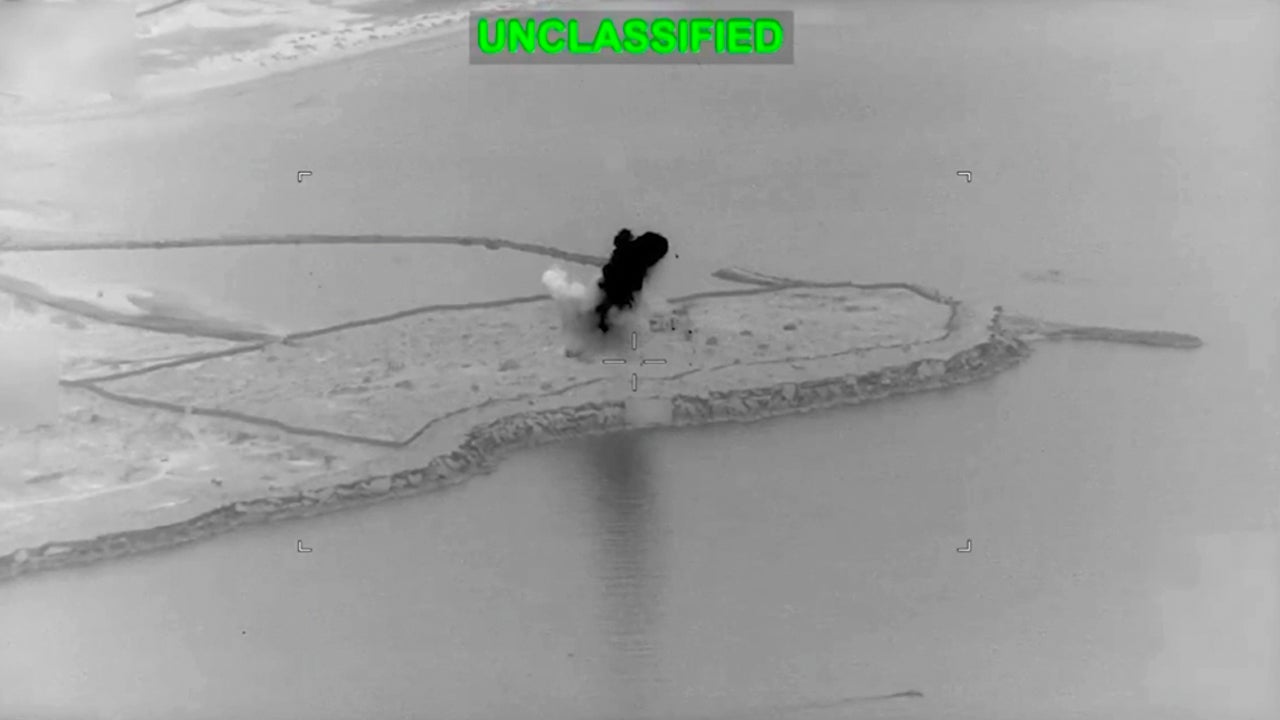
United States forces intercepted six Iranian ballistic missiles and downed four one-way attack drones aimed at key Gulf allies and the Strait of Hormuz. In response, U.S. Central Command (CENTCOM) conducted retaliatory strikes against Iranian coastal surveillance radar sites in Goruk and on Qeshm Island, escalating regional volatility.
Iran subsequently accused the U.S. of violating a ceasefire, underscoring the precarious security situation. This exchange highlights persistent friction, even as diplomatic negotiations remain at a standstill.
Stalled Diplomacy Linked to Asset Freeze Demands
An adviser to Iran’s supreme leader stated that U.S.-Iran negotiations are deadlocked, with Iran demanding the unfreezing of billions in assets as a prerequisite for progress. This highlights financial leverage and sanctions relief as critical, unresolved issues in potential de-escalation efforts.
The demand for asset unfreezing underscores the significant economic pressures on Iran and its linkage of these to security dialogues. The U.S. stance on these frozen assets is a pivotal factor in the current stalemate and influences Iran’s strategic calculations.
Kinetic Actions Underscore Diplomatic Impasse
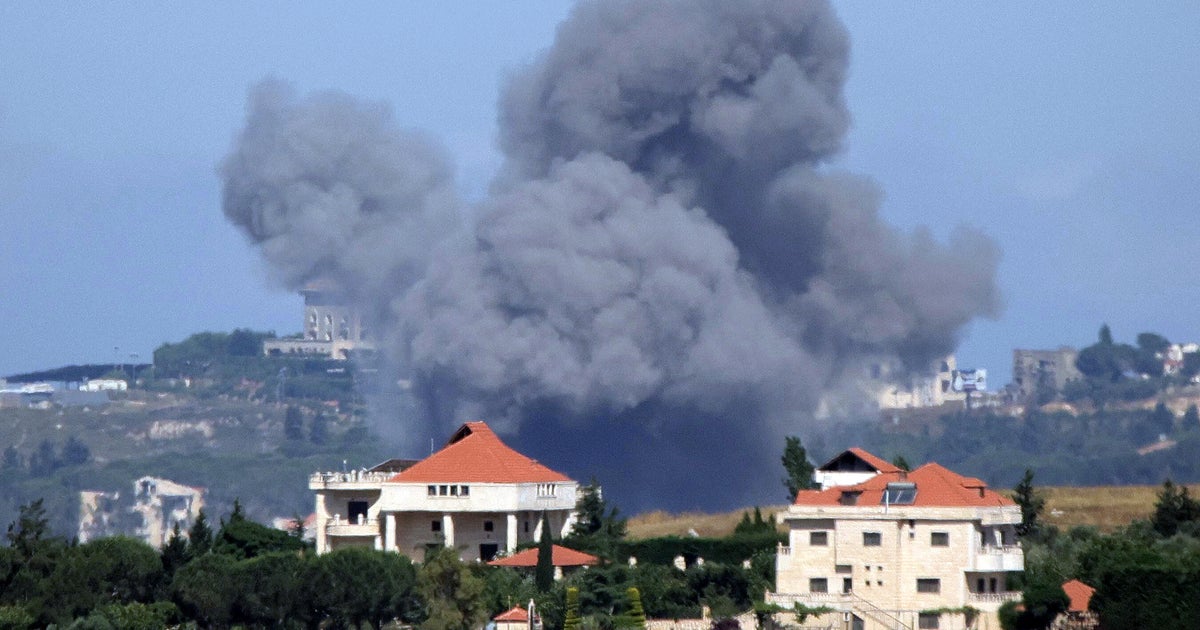
Kuwaiti officials characterized the recent strikes as a serious escalation, reflecting immediate regional instability and heightened risk perception among allied nations. The pattern of kinetic responses to perceived threats, from missile interceptions to retaliatory strikes, is evident.
This military engagement, occurring against a backdrop of stalled peace talks, suggests kinetic actions are being used to influence diplomatic outcomes or assert strategic positioning. The dual track of military posturing and diplomatic deadlock creates a complex and volatile environment.
Strategic Implications of Radar Site Strikes
The U.S. strikes targeting Iranian radar sites aim to degrade intelligence-gathering capabilities in critical maritime chokepoints like the Strait of Hormuz. This action disrupts Iran’s ability to monitor and potentially interdict shipping traffic, reinforcing U.S. and allied freedom of navigation.
By targeting radar infrastructure, the U.S. signals a calibrated response intended to impose costs without triggering full-scale conflict, while degrading Iran’s operational awareness. This strategic move impacts Iran’s defensive posture and its capacity for maritime control.
Ballistic Missile Launches and Interception Dynamics
The launch of seven ballistic missiles toward Kuwait and Bahrain, with six intercepted, demonstrates Iran’s capability for long-range force projection and its willingness to employ it. The partial success of interceptions highlights the evolving defensive capabilities of U.S. allies and forces in the region.
This event underscores the persistent threat of ballistic missile proliferation and the ongoing arms race in missile technology and countermeasures. Interception system effectiveness directly influences strategic calculations for both aggressors and defenders.
CENTCOM’s Role in Regional Security Operations
CENTCOM’s detailed report on the drone shootdowns, missile interceptions, and retaliatory strikes outlines U.S. military actions in response to Iranian provocations. The command’s role is central to regional security, deterring aggression through presence and direct action.
CENTCOM’s reporting informs allies, deters adversaries, and justifies military actions within the broader geopolitical narrative. Its operational tempo and reporting cadence serve as key indicators of the security environment within its area of responsibility.
Allied Perception of Escalation and Regional Impact
The perception of the recent strikes by Kuwaiti officials as a “serious escalation” is significant, indicating how regional partners view the evolving threat landscape. Such perceptions can influence allied cooperation, defense spending, and diplomatic alignments.
This sentiment from a key regional ally underscores the impact of U.S.-Iran exchanges on broader coalition dynamics and collective security concerns within the Gulf Cooperation Council states, highlighting ripple effects on allied confidence and strategic preparedness.
Iran’s Pressure Campaign and Diplomatic Stalemate
Iran’s actions, including drone and missile launches, appear to be part of a broader pressure campaign aimed at influencing U.S. policy and international negotiations. The timing of these actions, coinciding with stalled peace talks, suggests a deliberate strategy to alter diplomatic dynamics.
This approach, characterized by kinetic actions alongside diplomatic deadlock, represents a high-risk strategy for Iran to extract concessions. Its effectiveness depends on the U.S. and allied responses and their willingness to engage on Iran’s terms regarding asset unfreezing.
The Strait of Hormuz: A Persistent Strategic Flashpoint
The repeated targeting of drones heading toward the Strait of Hormuz underscores its enduring strategic importance as a global energy transit route and a potential conflict flashpoint. U.S. military actions to ensure freedom of navigation in this waterway are a consistent element of its regional security posture.
The U.S. commitment to keeping the Strait open is critical for global energy markets and international maritime security. Disruptions or perceived threats to this chokepoint have immediate and far-reaching economic and geopolitical consequences.
Broader Implications for Regional Stability
The ongoing cycle of strikes and interceptions, coupled with stalled peace talks, points to a persistent state of elevated tension in the Persian Gulf. This environment impacts regional economic stability, investment confidence, and the broader geopolitical balance of power.
Continuous engagement, even if calibrated, consumes significant military resources and attention, diverting focus from other strategic priorities. The risk of miscalculation or unintended escalation remains a constant concern in this volatile theater.
Interplay of Military Levers and Diplomatic Objectives
The documented events highlight the complex interplay between military actions and diplomatic objectives. Iran’s kinetic actions appear designed to pressure the U.S. toward concessions, while U.S. military responses aim to deter aggression and maintain regional security.
This dynamic suggests a strategic stalemate where neither side has achieved its objectives, leading to a continuation of tit-for-tat exchanges. The effectiveness of each side’s levers—military for the U.S. and economic/kinetic for Iran—is being tested.
The Significance of Radar Site Vulnerability
The targeting of Iranian radar sites reveals a strategic vulnerability in Iran’s surveillance and early warning systems. Degrading these capabilities directly impacts Iran’s ability to conduct offensive operations or effectively defend its territory and maritime approaches.
This type of strike is a classic component of modern warfare, aiming to disrupt an adversary’s command and control. The success of such strikes can significantly alter the tactical and operational balance in a conflict scenario.
Global Impact of Gulf Tensions on Energy and Trade
The Strait of Hormuz’s critical role in global oil supply means any escalation in the Gulf has direct implications for international energy markets, leading to price volatility and supply chain concerns.
Beyond energy, broader geopolitical instability stemming from U.S.-Iran confrontations can affect international trade, investment, and diplomatic relations across continents, as the region’s strategic importance ensures its security is a global concern.
The Future Trajectory of Iran-U.S. Relations
The current trajectory, marked by military exchanges and diplomatic deadlock, suggests a prolonged period of adversarial relations. Conditions for a breakthrough appear distant, given the stated positions on asset unfreezing and ongoing security concerns.
Strategic decisions by Washington and Tehran in the coming period will be critical in determining whether this cycle of tension escalates further or finds a path toward de-escalation, with exceptionally high stakes for regional and global stability.