
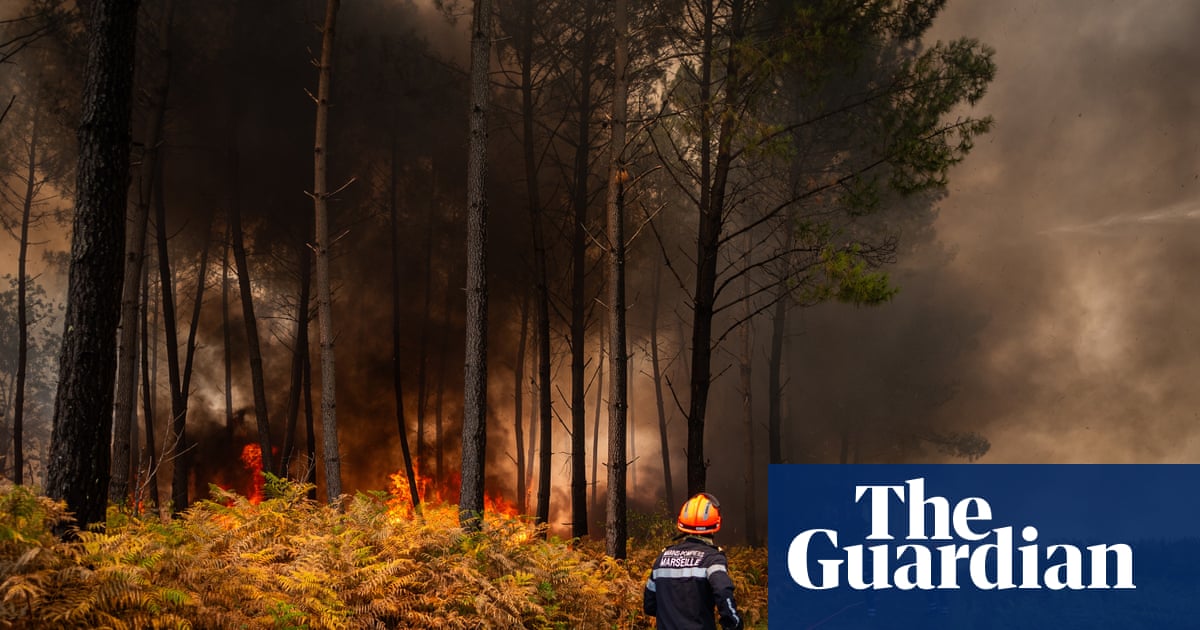
The Escalating Structural Pressures of European Wildfires
Recent scientific evaluations underscore the profound systemic vulnerability facing Western Europe as extreme weather events increase in frequency and severity. Findings released by the World Weather Attribution consortium demonstrate that climatic shifts driven by fossil fuel combustion have fundamentally altered baseline environmental conditions across Spain and France. These analyses establish direct probabilistic links between global heating and the compounding meteorological factors that stoke uncontrollable blazes across the region.
The compounding impact of thermal anomalies manifests directly in metrics such as daily severity ratings, which quantify potential fire intensity upon ignition. According to the scientific assessments, anthropogenic climate change made hot, dry, and windy weather in Spain at least twenty times more likely while doubling the probability of similar conditions in France. This statistical escalation illustrates an unprecedented shift in baseline ecological risk, directly challenging existing regional emergency response paradigms.
The Intersection of Hydrological Extremes and Biomass Accumulation
Operational vulnerabilities in wildfire management are further compounded by volatile hydrological cycles preceding the fire season. Documented patterns indicate that an unusually wet winter and spring across Western Europe accelerated vegetative growth, creating an abundant biomass reserve. When followed by sudden, intense heatwaves and severe droughts, this accumulated organic material transforms into highly combustible tinder.
Scientific findings emphasize that the climate crisis acts as a continuous desiccation mechanism, systematically depleting soil moisture across the continent. This relentless drying process accelerates the transition from vegetative proliferation to extreme wildfire hazard, leaving land management agencies with shrinking windows for preventive intervention. The convergence of excessive spring moisture and subsequent extreme heat underscores the complex operational challenges confronting civil protection authorities.
Broader Public Health and Economic Implications
The broader consequences of these climatic phenomena extend well beyond immediate forestry and agricultural concerns, manifesting as severe public health crises. Previous evaluations by the attribution consortium connected extreme heatwaves to tens of thousands of fatalities across the continent. Such catastrophic human tolls highlight the systemic exposure of regional populations to thermal extremes that remain statistically improbable without industrial carbon pollution.
Institutional frameworks governing disaster response and public health are thus forced to recalibrate their operational assumptions in the face of accelerating environmental pressures. As scientific consensus solidifies around the anthropogenic drivers of these events, regulatory bodies and international stakeholders face mounting pressure to adapt structural policies. The documented metrics provide an empirical foundation for evaluating long-term systemic exposure across European infrastructure and economic sectors.

Photo by ELG21 on Pixabay.