The theatrical release of Spider-Man: Brand New Day (S-M: BND) marks a critical strategic recalibration within the Marvel Cinematic Universe (MCU). It serves simultaneously as a profound narrative reset and a significant financial pillar for the 2026 film slate. As the fourth installment featuring Tom Holland, S-M: BND confronts the dual imperative of sustaining box-office momentum while fundamentally redefining Peter Parker’s operational paradigm and foundational existence.
The Strategic Imperative: Narrative Reset & Temporal Shift
The complete memory wipe enacted at the conclusion of the preceding chapter represents a sophisticated mechanism for franchise longevity and intellectual property management. By systematically erasing Peter Parker from global consciousness, including critical allies and institutional figures, the studio has strategically decoupled the character from nearly a decade of accumulated narrative baggage. This maneuver offers a streamlined entry point for new audiences and a blank slate for creative exploration of ground-level heroics, free from immediate cosmic-level interference. Strategically, this reset mitigates character stagnation, enabling a pivot back to core Spider-Man tenets: isolation, relatability, and localized conflict.
Further emphasizing this strategic transition is the four-year temporal gap between No Way Home and S-M: BND. This significant time jump presents a protagonist matured into adulthood under profound social and financial isolation. The temporal distance justifies a pronounced tonal shift, evolving from the earlier films’ mentorship-heavy dynamics toward a decidedly more autonomous and self-reliant operational model, crucial for his redefined role within the MCU.
Operational Shifts: Resource-Constrained Vigilantism
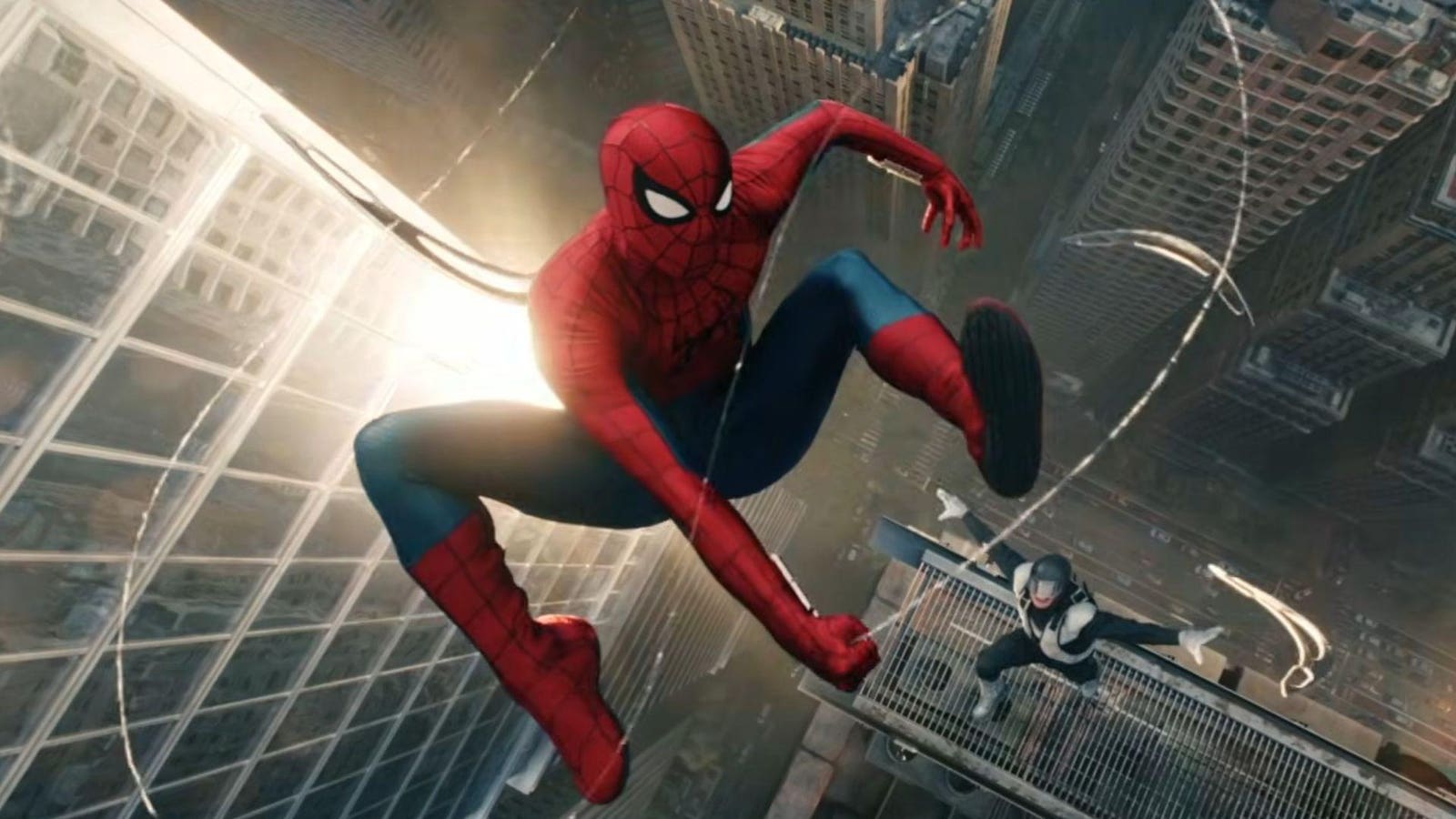
In S-M: BND’s redefined landscape, Peter Parker operates devoid of the technological and financial scaffolding previously afforded by Stark Industries or the Avengers. This institutional disengagement radically transforms his crime-fighting approach from a high-tech, resource-intensive operation to a fundamental, resource-constrained model of urban vigilantism. The immediate consequence of this enforced isolation is a heightened degree of personal and operational risk, as the protagonist lacks global surveillance or robust logistical support systems.
This exigency compels a reliance on foundational skills and localized intelligence gathering, epitomized by the use of police scanners, thereby grounding the character within the immediate realities of New York City. Crucially, the profound psychological impact of this structural isolation serves as a primary narrative driver. Peter Parker navigates the dual burden of protecting a city that has no memory of him and sustaining a life utterly devoid of social infrastructure. This pervasive loneliness is not merely a narrative device but a deliberate strategic choice designed to elevate the emotional stakes of his heroics.
Institutional Erosion: Ramifications of the Memory Spell
The long-term institutional ramifications of Doctor Strange’s memory spell present a complex analytical challenge within the MCU’s internal logic. While successful in multiverse protection, the spell created an existential vacuum for Peter Parker, eradicating his legal and social existence. This undocumented history poses unique, mundane yet profound challenges: from securing housing to establishing a professional life. These everyday struggles serve as a crucial counterpoint to his superheroic activities, reinforcing the film’s commitment to a grounded, realistic portrayal of his daily existence.
Further complicating Peter’s trajectory is the ambiguity regarding the spell’s effect on key figures like Doctor Strange himself. This uncertainty introduces a layer of narrative potential: if certain individuals retain fragments of his identity, it could act as a catalytic bridge for his eventual reintegration into the wider superhero community, offering a pathway back from his current state of absolute isolation.
The Biological Imperative: Peter’s Metamorphic Conflict
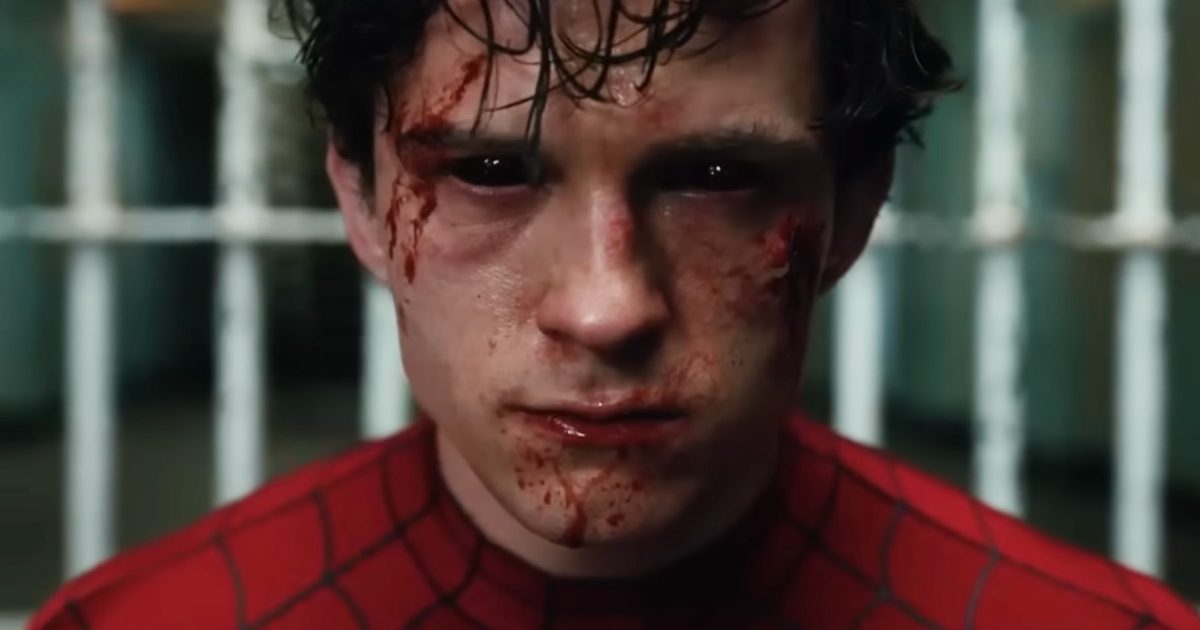
A pivotal narrative advancement in S-M: BND is the introduction of a mysterious, involuntary transformation causing Peter Parker to regress into a more primal, spider-like physiological state. This emergent biological conflict imposes an unprecedented layer of internal risk, severely complicating his dual mission: protecting New York City and preserving his diminishing humanity. The metamorphosis serves as a potent metaphor for his accelerating detachment from his human identity, a direct consequence of his total immersion into the Spider-Man persona.
By shedding critical social ties, the protagonist confronts the literal and figurative existential threat of reducing his identity solely to the mask. Narratively, this internal peril effectively counterbalances external antagonisms, forging a multi-dimensional conflict that directly challenges his corporeal and mental sovereignty. This thematic pivot signals an intentional move towards body-horror and psychological suspense elements, significantly diversifying the franchise’s tonal spectrum as it evolves into a demonstrably more mature phase.
Franchise Nexus: Bridging to Avengers: Doomsday
S-M: BND occupies a singularly pivotal position within the MCU release schedule, designated as the final cinematic entry preceding Avengers: Doomsday. This strategic sequencing strongly implies that the film’s events—particularly Peter Parker’s isolated status and evolving powers—will bear direct, significant implications for the impending ensemble culmination. The carefully orchestrated timing ensures Spider-Man’s sustained prominence in the cultural conversation leading into the next major Avengers arc, underscoring his enduring status as a primary commercial driver for the franchise.
The film’s deliberate focus on a ground-level, localized perspective offers a vital counterpoint to the presumably multiversal and existentially high-stakes conflict anticipated in the battle against Doctor Doom. While S-M: BND emphasizes a solo journey, the foundational connectivity of the MCU guarantees that Peter Parker’s current state of profound isolation represents a temporary strategic alignment. His inevitable transition from a solitary New York vigilante to a pivotal player in a global or multiversal conflict will undoubtedly constitute a central thematic arc for his immediate future, rendering his present struggles a foundational crucible for his subsequent evolution.
Post-Credits Sequence: A Tactical Subversion
S-M: BND’s inclusion of a post-credits scene adheres to established MCU tradition, yet reports of a unique “catch” suggest a deliberate subversion of audience expectations. This tactical choice likely signifies a refined approach in how Marvel leverages these sequences to manage audience anticipation and intricate narrative progression within an increasingly complex cinematic landscape. Should the scene deviate from conventional forward-looking teasers, it could powerfully reinforce the film’s central themes of isolation and narrative reset, rather than merely serving as a preview for the next project. This innovative approach would align with the film’s broader objective of forging a distinct identity for this new era of Spider-Man stories, detached from the immediate exigencies of the larger franchise arc.
The strategic value of the post-credits sequence remains critically high, ensuring sustained audience engagement and fueling extensive digital discourse long after the initial theatrical window. By consciously embedding a “catch,” the studio generates a unique conversational catalyst, effectively differentiating S-M: BND from its predecessors and maintaining the character’s paramount relevance in a saturated market.
Market Position & Commercial Imperatives
Spider-Man: Brand New Day is strategically positioned to be a dominant force at the global box office, with strong potential to emerge as the highest-grossing film of the year prior to Avengers: Doomsday. The enduring potency of the Spider-Man intellectual property, coupled with the proven commercial success of the preceding trilogy, provides an unshakeable foundation for this new chapter’s robust performance. The film’s deliberate focus on a more grounded, adult Peter Parker is designed to broaden its demographic appeal, attracting older audiences who grew up with earlier iterations while the Tom Holland connection retains younger fans.
This calculated multi-generational appeal is a core component of the franchise’s sustained financial viability and its resilience against broader trends within the superhero genre. Fundamentally, S-M: BND transcends a mere sequel; it represents a comprehensive strategic recalibration of one of modern entertainment’s most valuable assets. By stripping the character to his existential core and introducing unprecedented biological and psychological challenges, the film meticulously prepares Spider-Man for a future far more personal and inherently perilous.
Conclusion: Forging a New Paradigm
Spider-Man: Brand New Day decisively establishes a transformative paradigm for the character, one anchored by autonomy, profound isolation, and an intensified connection to his own evolving biological nature. This strategic reset affords the franchise unparalleled flexibility to explore novel narrative trajectories while rigorously preserving the core elements that have solidified Spider-Man as a global icon. The foundational elements meticulously laid in this film will prove indispensable to Peter Parker’s future development and his evolving role within the expansive Marvel narrative.
The transition from a mentored, youthful hero to a solitary, self-reliant adult marks a pivotal milestone in the character’s storied history, ensuring Spider-Man remains a vital, dynamic, and evolving force in the cinematic landscape. The commercial and critical reception of S-M: BND will undoubtedly influence the strategic orientation of subsequent MCU projects, as the studio evaluates audience response to this more focused, character-driven methodology. By deliberately prioritizing psychological depth and narrative consequence over sheer spectacle, this film sets an exceptionally high benchmark for the next chapter of the Spider-Man saga and the broader future of superhero storytelling.