
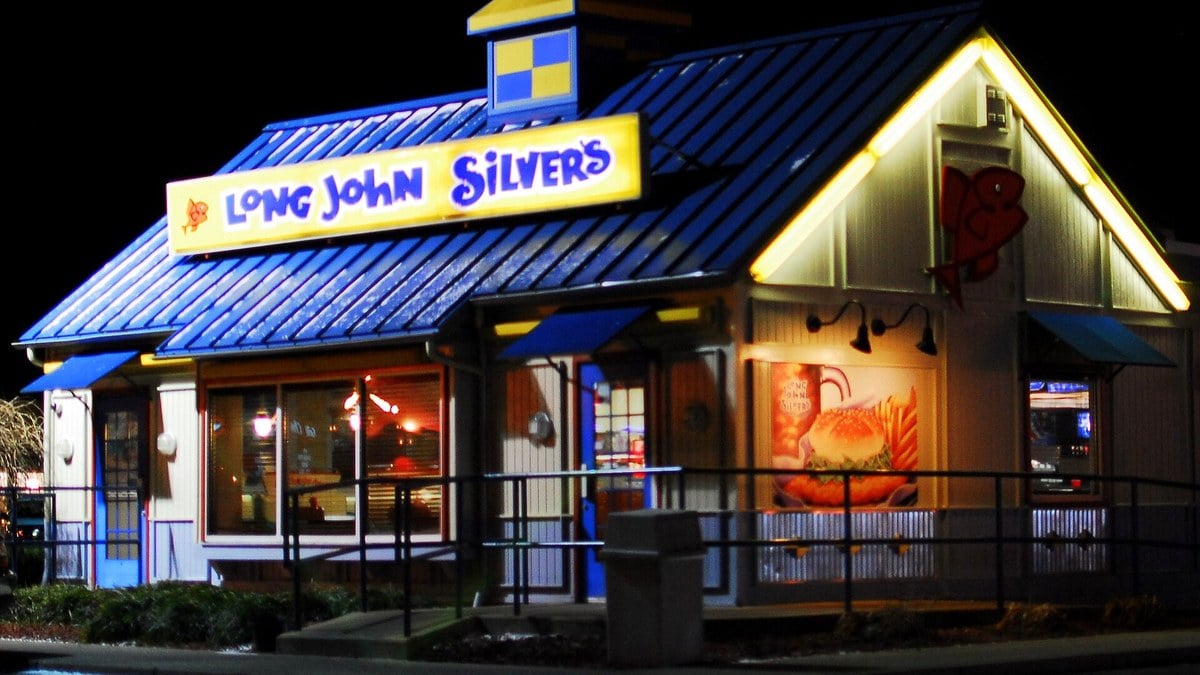
The Shrinking Footprint of a Seafood Chain
Long John Silver’s has experienced a structural contraction, reducing its geographical footprint from over one thousand units to fewer than five hundred nationwide. This physical reduction underscores a broader operational transition driven by targeted corporate portfolio management and shifts in quick-service franchise economics.
Corporate Evolution and Ownership Dynamics
Following a 2022 ownership transition, the brand initiated a strategic reassessment of its asset portfolio, resulting in approximately 110 closures. Corporate leadership characterized these reductions as routine portfolio pruning rather than distress-driven contraction. A major fraction of this unit reduction stemmed from terminating legacy co-branded arrangements with concepts like Taco Bell, KFC, and A&W.
Franchisee Dynamics and Operational Friction
Individual operators have faced distinct financial headwinds, highlighted by the spring bankruptcy of franchisee Uplifted Foods. Franchisee insolvency accelerates regional footprint contraction, directly altering consumer access and market positioning as independent operators navigate tightening capital pressures.
Financial Performance Versus Unit Count
Despite declining store counts, systemwide sales rose from approximately $400 million in 2022 to nearly $430 million by 2025. This divergence indicates a strategic pivot toward eliminating margin-dilutive locations to concentrate capital on higher-performing units, prioritizing average unit volume over sheer ubiquity.
Regional Impacts and Localized Presence
Footprint reduction remains unevenly distributed. In Pennsylvania, the brand maintains roughly two dozen units primarily in the central and western regions, while other markets experienced total brand withdrawal due to co-branding terminations and standalone closures.
Strategic Outlook for the Seafood Segment
Long John Silver’s ongoing adjustments reflect the demands of operating a specialized quick-service concept in a mature market. By pairing unit reduction with revenue growth, the brand aims to stabilize core operations and ensure long-term viability across its sub-500 store network.

Photo by GildAix on Pixabay.