
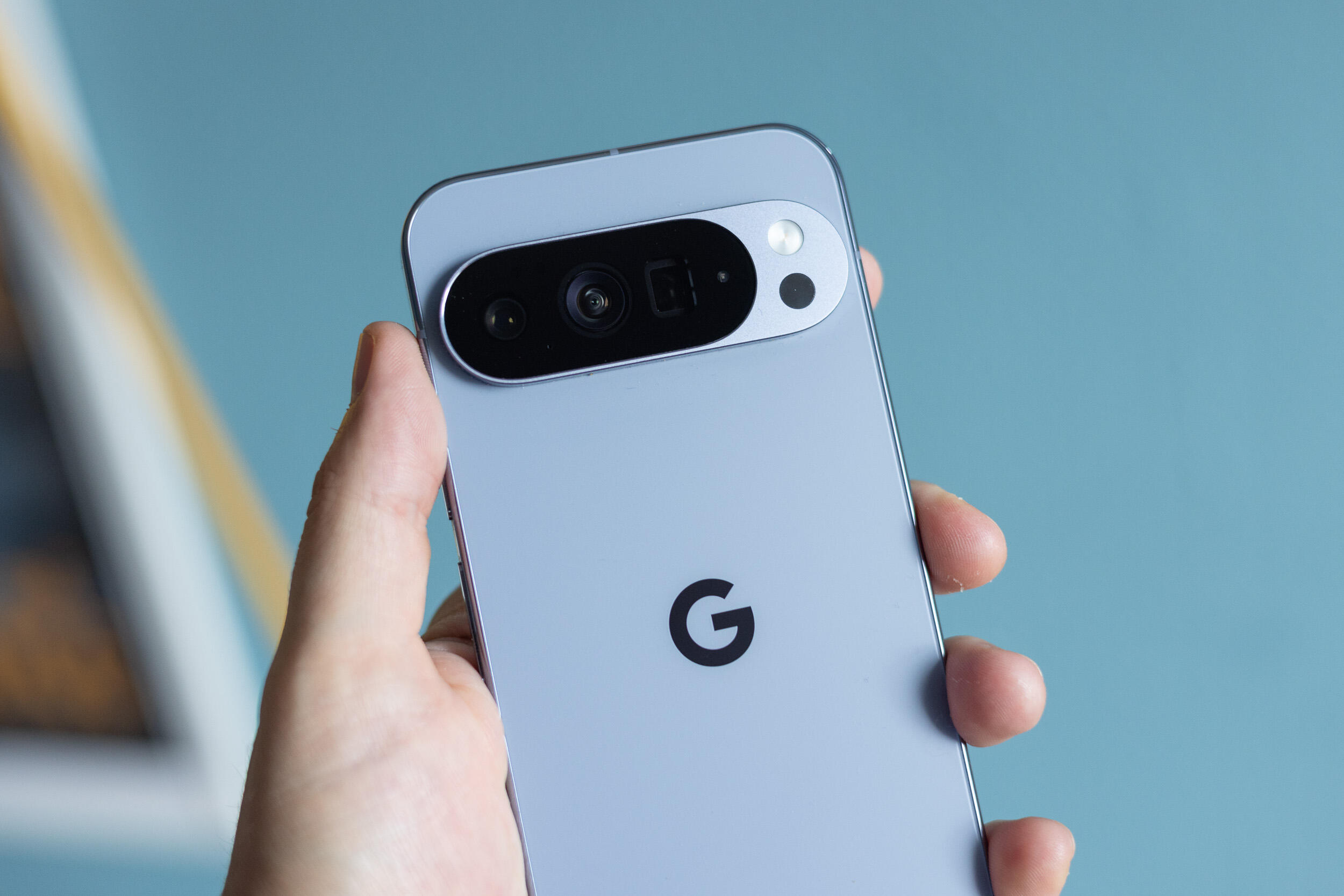
The Google Pixel 11 series debut marks a critical inflection point in the company’s hardware trajectory. Confronted by systemic semiconductor inflation, Google is transitioning from aggressive pricing to a value-density model designed to protect margins without alienating its premium user base.
Supply Chain Macroeconomics: The RAM Catalyst
Google’s executive leadership has attributed impending US price adjustments to the escalating cost of high-bandwidth memory. By citing RAM volatility as a primary driver, Google is signaling a departure from subsidized hardware pricing toward a sustainable, market-responsive MSRP. This transparency functions as a strategic preemptive strike against negative consumer sentiment, framing price hikes as an industrial necessity rather than a discretionary markup.
SKU Rationalization: 256GB as the New Baseline
To neutralize the friction of increased entry prices, Google has standardized 256GB storage across the Pixel 11, 11 Pro, and 11 Pro XL. This doubling of base capacity serves a dual purpose: it provides a tangible value offset for consumers while streamlining supply chain logistics. By eliminating the 128GB tier, Google achieves SKU rationalization, reducing inventory complexity and aligning the entire lineup with the high-performance demands of modern AI processing and high-bitrate media.
Regional Arbitrage and Competitive Positioning
Interestingly, Google is employing a divergent regional pricing strategy. While US prices climb, UK projections suggest a starting point of £879—effectively a price cut relative to the previous generation’s 256GB variant. This suggests a tactical use of currency hedging and regional market-share targets, where Google is willing to absorb tighter margins in the UK to challenge the Apple-Samsung duopoly more aggressively than in its domestic market.
Hardware Pivot: From Thermometry to ‘Pixel Glow’
The Pixel 11 Pro introduces ‘Pixel Glow,’ a visual and functional sensor array replacing the previous generation’s infrared thermometer. This shift indicates a move toward hardware features that emphasize brand identity and interactive feedback over niche biometric sensors. In the new ‘Dune’ colorway, the Pixel Glow serves as a distinct aesthetic signature, differentiating Google’s industrial design from the iterative updates of the iPhone 17 Pro Max and Galaxy S26 Ultra.
Ecosystem Lock-in: ‘The Next Obvious Move’
The marketing narrative for the August 12 launch centers on ‘The Next Obvious Move,’ a campaign that leverages Google’s software dominance to drive hardware adoption. By framing the Pixel 11 as the native environment for its ubiquitous service suite, Google is attempting to minimize platform-switching friction. This ecosystem-first strategy shifts the focus from raw specifications to integrated utility, positioning the hardware as the optimized portal for Google’s evolving AI-driven software stack.

Photo by AS_Photography on Pixabay.