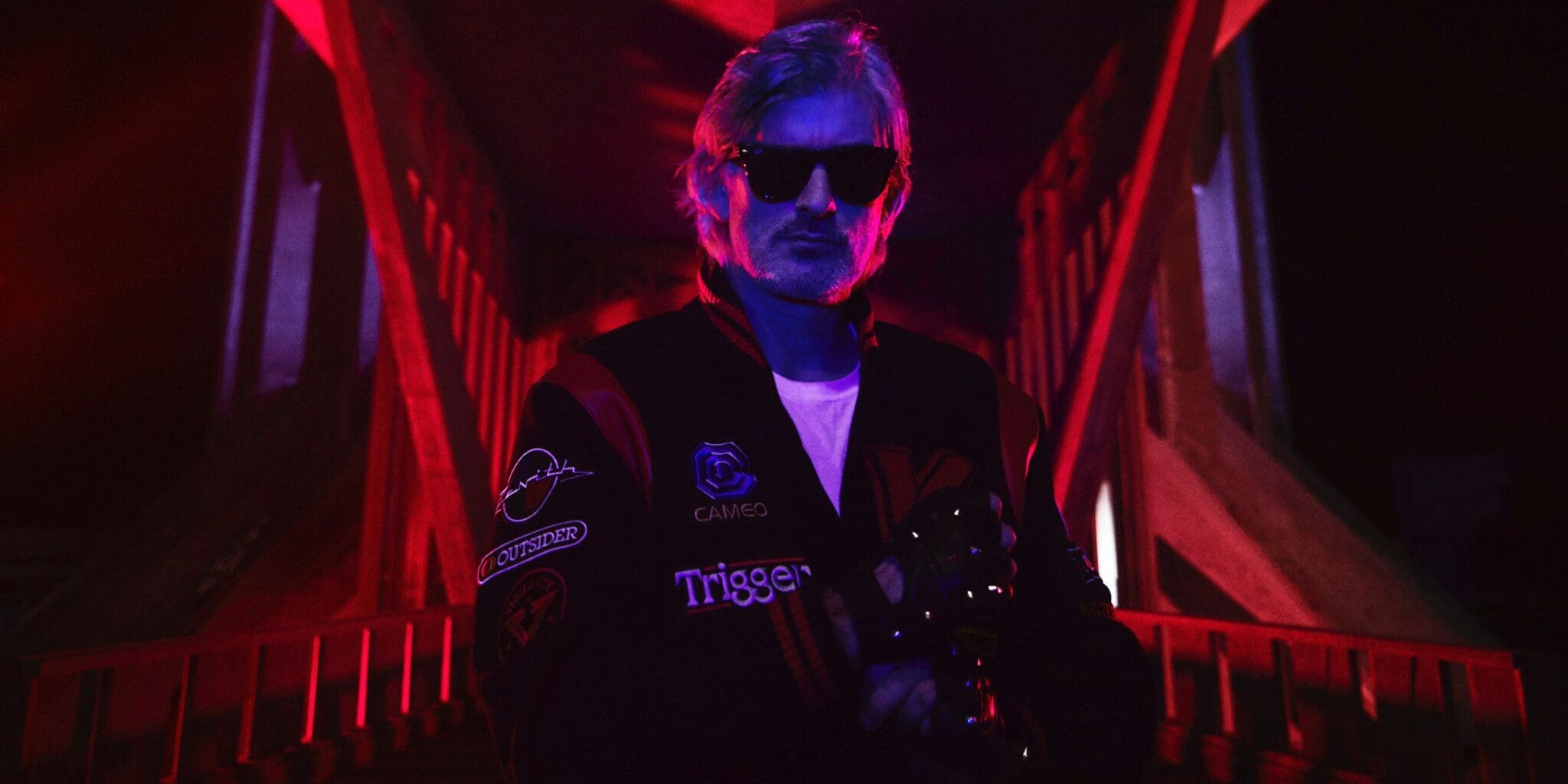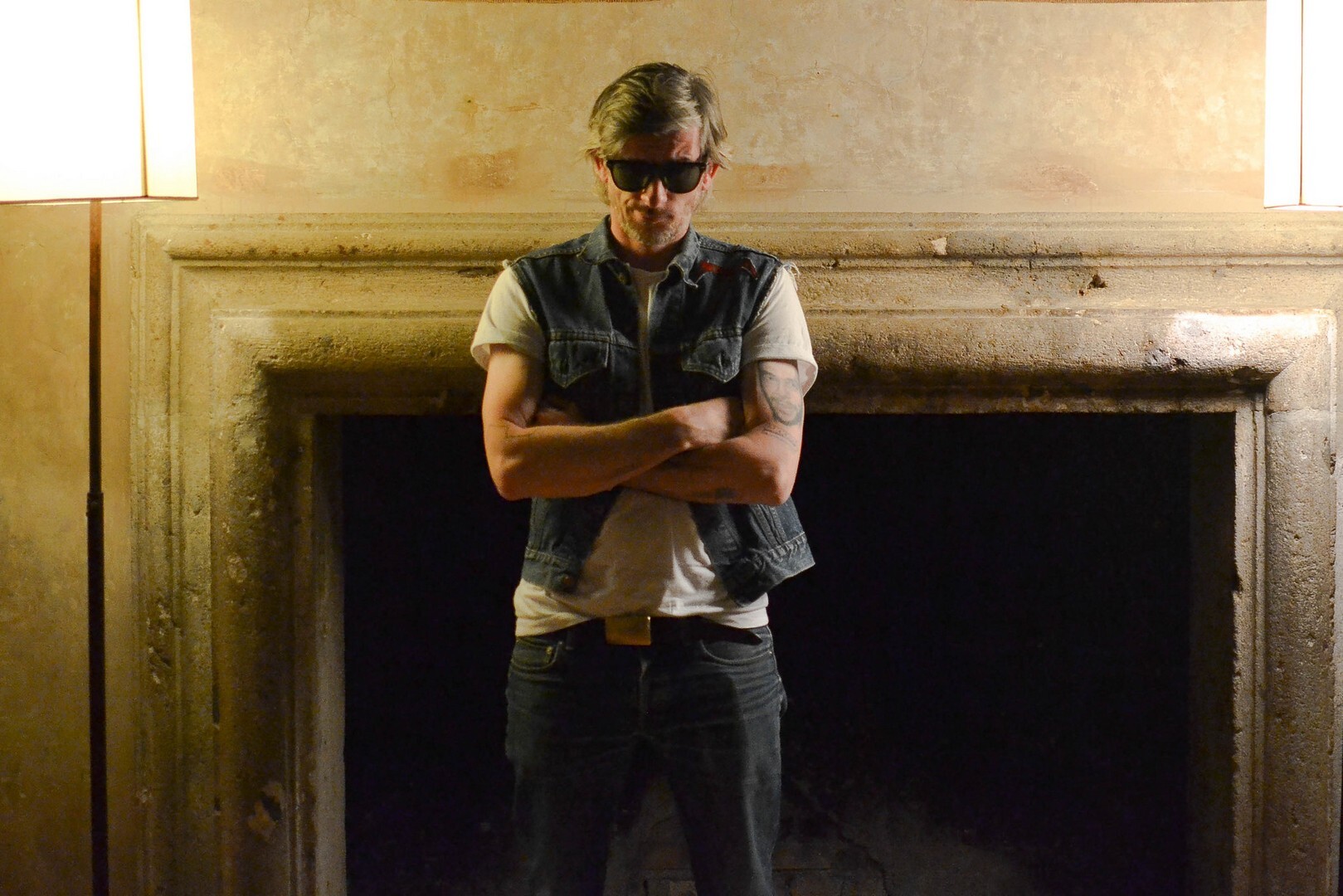
French electronic music producer Vincent Belorgey, widely known by his stage name Kavinsky, has been found dead at his residence in Paris at the age of 50. Outlets including BFM TV, Le Figaro, and Le Parisien reported his death, noting that French prosecutors have opened a formal investigation to determine the cause.
Initial reports from local media indicate that authorities are evaluating the possibility of a stroke, though no official medical examiner’s report has been released. The sudden death of the influential synthwave and electropop artist represents a notable loss for the contemporary European electronic music sector.
The Cinematic Legacy of Nightcall
Kavinsky achieved international prominence through his 2010 electronic track Nightcall, which featured vocals by Lovefoxxx. The track gained global traction after soundtracking the opening credits of Nicolas Winding Refn’s 2011 feature film Drive.
The integration of Nightcall into the film established its status as a modern classic within the synthwave and electropop genres. Its analog-heavy soundscape defined an era of 1980s retro aesthetics, drawing frequent comparisons to contemporaneous French house acts such as Daft Punk.
Conceptual Persona and Discography
Belorgey constructed a distinct narrative identity around the Kavinsky moniker, utilizing a fictional persona of a motorist who supposedly died in a Ferrari Testarossa crash in 1986 and reappeared as a zombie in 2006. This concept dictated the heavy 1980s nostalgia present throughout his catalog.
This thematic framework underpinned his studio outputs, beginning with his 2013 debut album, OutRun. Maintaining a sparse release schedule, he followed this with his second studio album, Reborn, in 2022, which trade publications noted incorporated a slower, more cinematic sonic texture.
Recent Cultural Footprint
Kavinsky’s cultural profile experienced a major resurgence when he performed live with Belgian singer Angèle during the closing ceremony of the 2024 Olympic Games in Paris. The high-profile performance introduced his discography to a broader contemporary audience and drove his catalog back onto commercial sales charts in France and international markets.
As judicial authorities and local media continue to examine the circumstances surrounding his passing, the music industry reflects on an artist who successfully merged traditional French house lineage with retro-futuristic synth-pop.