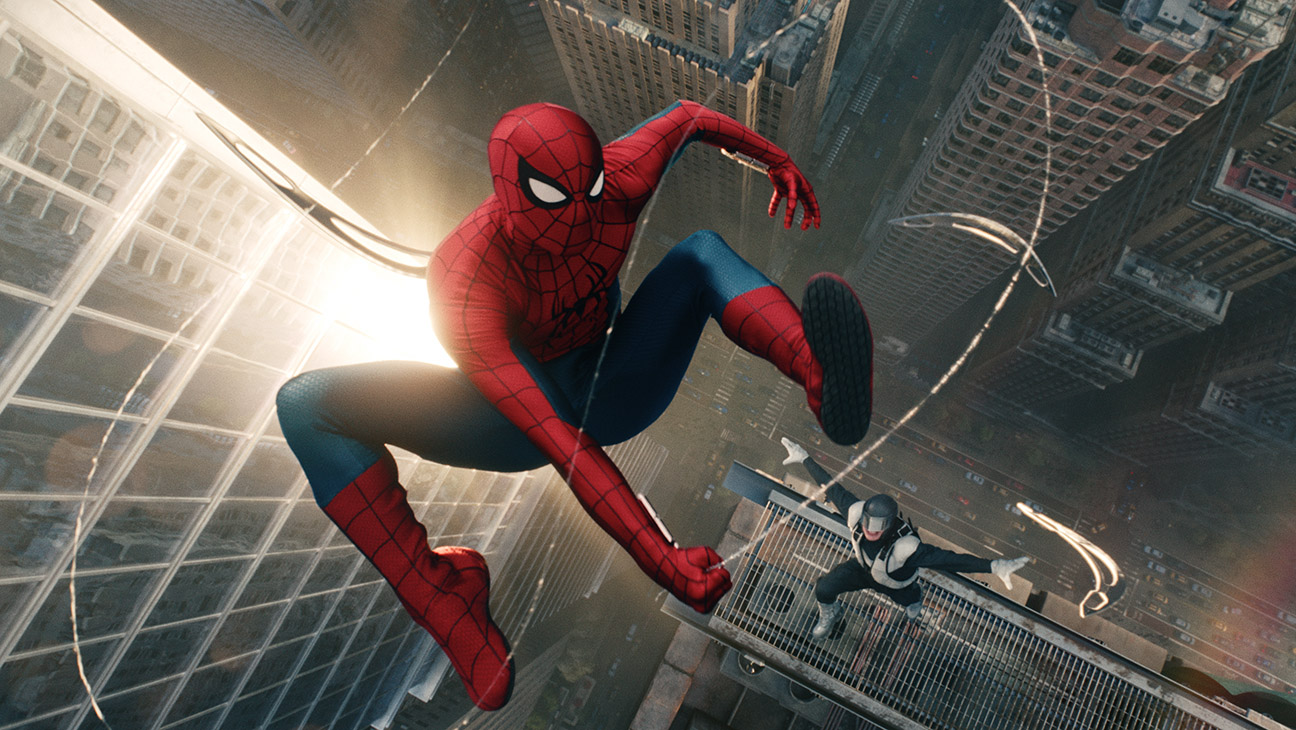
Spider-Man: Brand New Day arrives as the thirty-eighth installment of the Marvel Cinematic Universe, bringing back Tom Holland for a fourth solo outing as Peter Parker. Early critical reception indicates an emotionally resonant narrative departing from conventional formulas. Critics praise the project for maintaining narrative discipline while incorporating a diverse ensemble cast.
The film expands its scope by integrating established characters such as Mark Ruffalo’s Hulk, Jon Bernthal’s The Punisher, and Sadie Sink. This character integration supports a mature tonal shift that elevates psychological stakes, balancing serialized continuity with distinct character arcs.
International Market Performance and Box Office Trajectory
Commercial performance in China has exceeded baseline expectations set by prior superhero releases since 2019. Opening day figures recorded more than $16.5 million by midday, positioning the release ahead of comparable Hollywood comic-book titles. Ticketing platforms Maoyan and Dengta have subsequently adjusted full-run projections upward.
These upward revisions underscore shifting distribution dynamics in key overseas markets. The substantial initial turnout indicates sustained regional demand for specific franchise properties, serving as an important baseline for studio recovery in Asian territories.
Narrative Continuity and Strategic Evolution
The storyline resumes following the existential reset of Spider-Man: No Way Home. Peter Parker navigates profound isolation after a mystical spell erased his identity from the memories of his allies, forcing the protagonist into intense personal vulnerability while maintaining his commitment to New York City.
The thematic focus on sacrifice and systemic duty provides analytical depth. By focusing on the friction between personal loss and public responsibility, the production isolates its protagonist from institutional safety nets, reinforcing the character’s core appeal.
Competitive Implications for Major Studio Franchises
The convergence of critical endorsement and commercial momentum provides a strategic advantage amid industry-wide concerns regarding franchise fatigue. Projects emphasizing character-driven development offer a viable countermeasure, establishing a rare benchmark in contemporary commercial cinema.
Stakeholders rely on high-profile tentpoles to stabilize quarterly revenue streams and drive theater attendance. The commercial trajectory serves as an empirical test of audience appetite for mature superhero narratives, affirming that continuity management remains a powerful lever for global success.