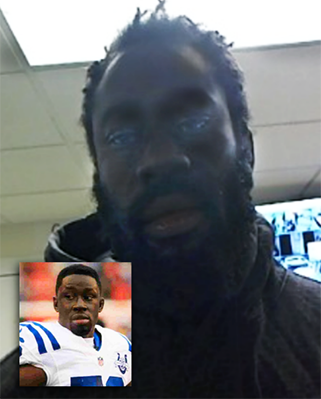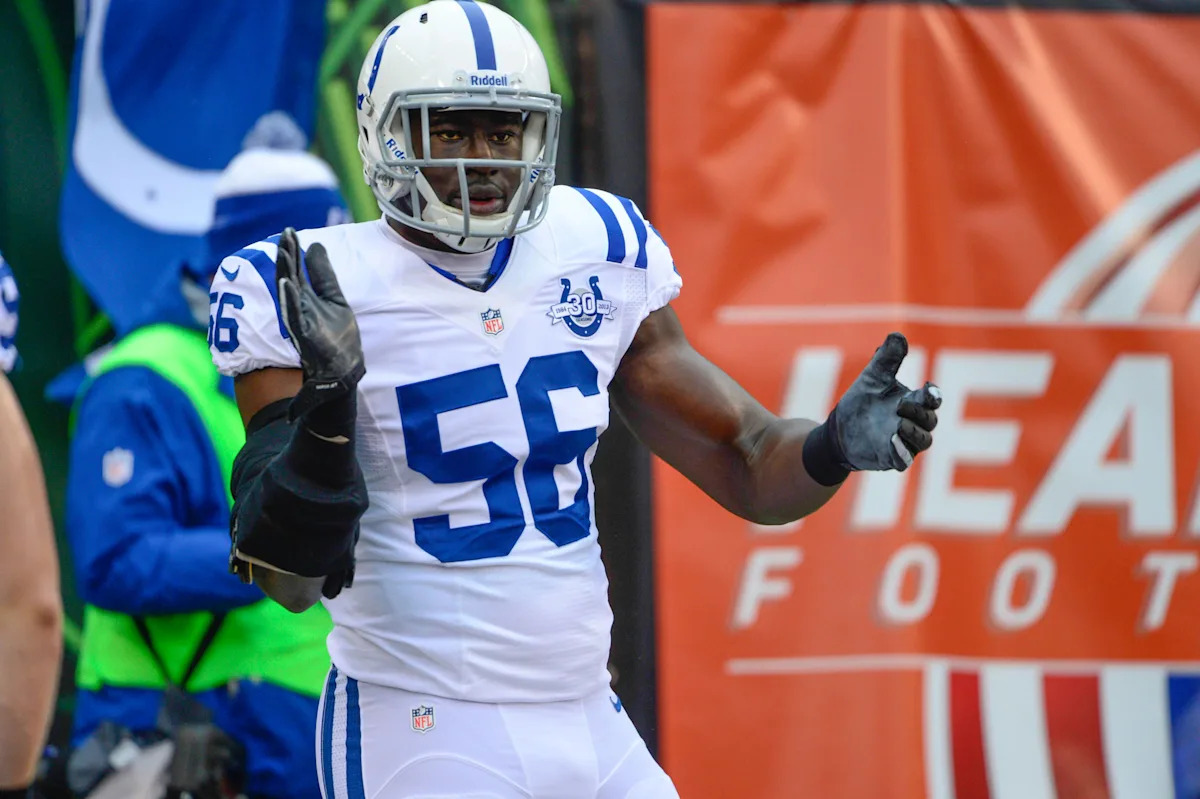
ICE Deports Former NFL Player Daniel Adongo Over Visa Overstay and Criminal Convictions
U.S. Immigration and Customs Enforcement (ICE) Chicago has removed Daniel Ogama Adongo, a former linebacker for the Indianapolis Colts, from the United States. The deportation followed a Department of Justice immigration judge’s order for removal on March 23, 2026, with ICE executing the order on June 20. Adongo, a Kenyan national, had overstayed his visa after his NFL career concluded in 2015.
Adongo’s immigration status was further complicated by a series of arrests and criminal convictions in Indiana over the preceding nine years. These charges included felony intimidation, battery, and disorderly conduct. In 2020, he was convicted of criminal mischief with damage, receiving a 364-day jail sentence, evidencing a pattern of legal infractions prior to his removal.
The Laken Riley Act significantly influenced the legal framework for Adongo’s detention and removal. This federal statute mandates detention, without bond, for individuals unlawfully present in the U.S. who have committed specified crimes. Signed into law on January 29, 2025, the act was enacted in response to cases involving immigrants accused of serious offenses.
The enforcement of the Laken Riley Act signifies a more stringent approach to immigration law, particularly for individuals with criminal records in violation of immigration statutes. This policy shift prioritizes the detention and removal of those deemed public safety risks, irrespective of prior professional standing.
Adongo’s case exemplifies the intersection of professional sports careers, immigration law, and criminal justice. While his NFL tenure was brief—playing five games for the Colts between 2013 and 2015—his subsequent legal entanglements and immigration violations led to his removal. His release from the Colts in 2015 followed a police incident, foreshadowing future legal challenges.
The Department of Justice immigration judge’s decision and ICE’s subsequent action highlight the consequences for individuals who violate visa terms and engage in criminal activity. ICE Chicago’s statement describing Adongo as a “dangerous individual” and asserting the community is “safer since he’s been removed” reflects the agency’s mandate to enforce immigration laws and protect public safety.
This deportation demonstrates that professional athletic status does not confer immunity from immigration enforcement, especially when coupled with criminal convictions. The case underscores ICE’s operational capacity to pursue and remove individuals with complex legal histories, reinforcing the application of immigration statutes to all foreign nationals residing in the U.S.
The Laken Riley Act’s provisions, requiring mandatory detention for those unlawfully present accused of specific offenses, reduce judicial discretion in certain cases, increasing the likelihood of removal proceedings for individuals with qualifying criminal charges.
Adongo’s 2020 conviction for criminal mischief with damage, a crime carrying a substantial jail sentence, placed him within the scope of offenses targeted by the Laken Riley Act. This classification, combined with his visa overstay, led to mandatory detention and a subsequent removal order.
Adongo’s visa overstay in 2016, immediately following his NFL career, suggests a period of precarious legal status. The subsequent nine years of arrests and legal proceedings indicate prolonged non-compliance with both immigration and criminal laws.
The involvement of ICE’s Chicago field office in Adongo’s removal highlights the coordinated nature of federal immigration enforcement. The agency addresses immigration violations across jurisdictions to ensure individuals subject to removal orders are apprehended and processed.
The narrative surrounding Adongo’s deportation emphasizes legal consequences for criminal behavior by non-citizens, framing the removal as a direct result of violating laws, both immigration and criminal. This positions the action as lawful enforcement rather than discretionary policy.
The case implicitly raises questions about vetting processes for foreign athletes on temporary visas. While Adongo’s initial entry was likely due to NFL prospects, subsequent criminal activity and visa overstay highlight potential challenges in long-term monitoring and compliance enforcement.
Adongo faces immediate financial implications: loss of legal status, removal, and potential barriers to future entry. For the NFL, while Adongo was not a prominent player, such cases can inform discussions on player conduct and international recruitment policies, though direct league impact is minimal given his limited playing time.
Media coverage of Adongo’s deportation aligns with a broader political discourse emphasizing border security and immigration law enforcement, aiming to reinforce the perceived efficacy of enforcement actions and justify stricter policies like the Laken Riley Act.
From an institutional perspective, ICE’s successful removal of Adongo demonstrates effectiveness in enforcing immigration laws and addressing public safety concerns, often used to bolster support for immigration enforcement budgets and policies.
Cases falling under the Laken Riley Act contribute to the evolving landscape of immigration law, signaling a lowered threshold for mandatory detention and swift removal for specific criminal offenses committed by those without legal status.
Cases like Adongo’s, involving clear criminal convictions, can become focal points for discussions on due process and the application of immigration laws for advocacy groups.
The operational execution of Adongo’s removal by ICE Chicago likely involved inter-agency coordination with local law enforcement agencies that had previously arrested or prosecuted him, a standard approach for individuals with outstanding warrants or removal orders.
The financial cost associated with Adongo’s legal proceedings, detention, and removal is borne by the U.S. government, representing taxpayer expenditures on immigration enforcement.
The competitive landscape for international athletes in professional sports is indirectly affected by such enforcement actions, potentially creating a more challenging environment for foreign talent seeking U.S. opportunities.
The long-term personal impact on Adongo is profound, involving separation from any established life in the U.S. and potential difficulties in future international travel or immigration attempts due to his criminal record and deportation order.
The reporting of Adongo’s case by media outlets indicates the role of media in disseminating information about immigration enforcement actions, shaping public opinion and influencing political discourse.
Ultimately, Daniel Adongo’s deportation results from a confluence of factors: visa overstay, repeated criminal offenses, and the application of enhanced federal statutes like the Laken Riley Act. It underscores the U.S. government’s commitment to enforcing immigration laws and prioritizing public safety.