
Systemic Failure in the Pacific Marine Corridor
The 2026 ecological cycle has reached a critical tipping point, characterized by a significant surge in whale fatalities across the North American West Coast. Data from the Center for Biological Diversity confirms 60 deaths in the first half of the year, positioning 2026 as a record-breaking period for marine mortality. This surge is not merely a statistical anomaly but a manifestation of converging environmental stressors and anthropogenic pressures reaching a structural threshold.
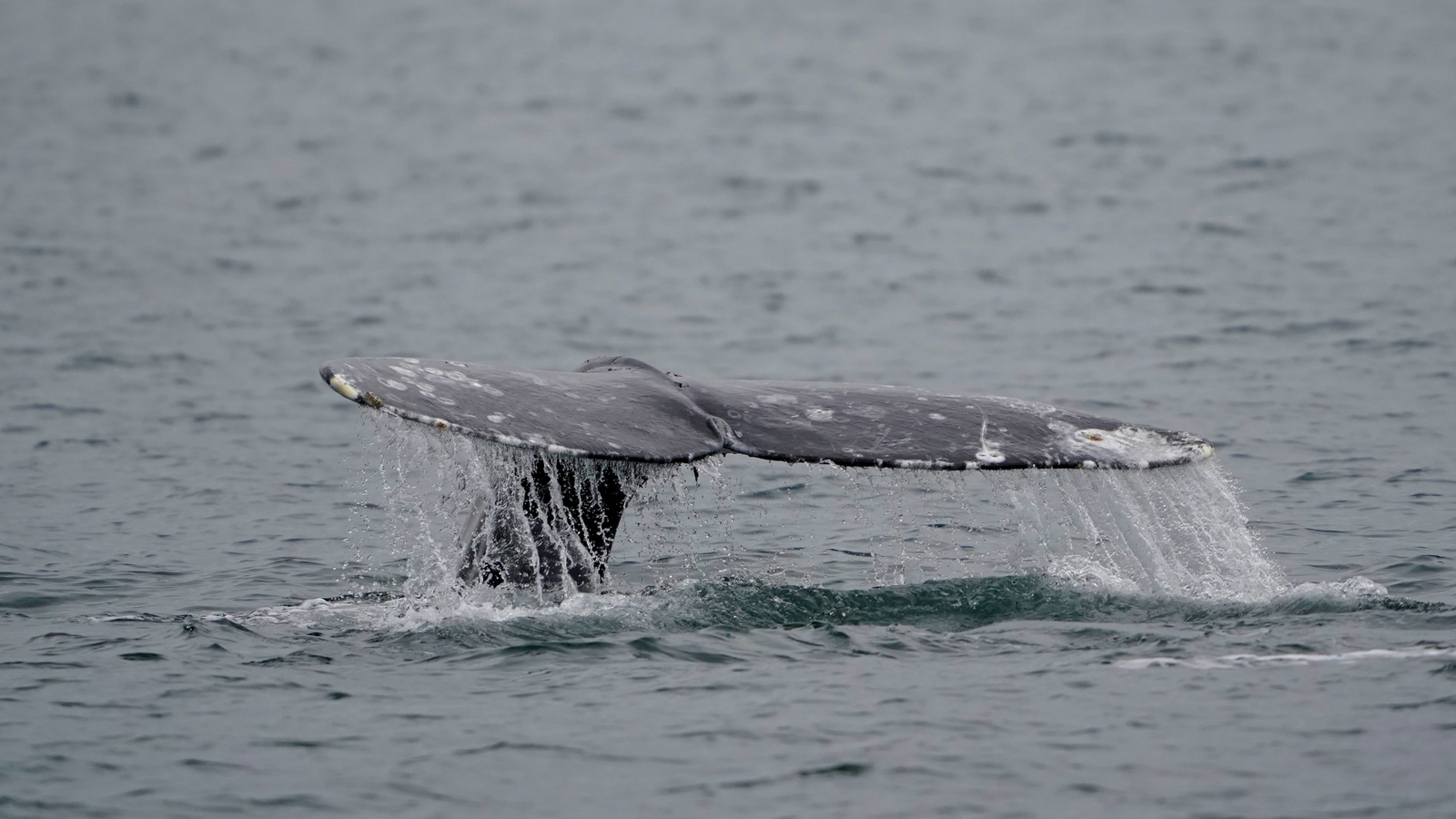
The designation of a catastrophic mortality event—specifically involving 145 gray whales—highlights profound shifts within the Pacific ecosystem. Geographic clusters in Washington, the San Francisco Bay, and Southern California (including a documented 30-foot humpback whale in Newport Beach) serve as high-profile indicators of systemic risk across multiple species.
Nutritional Deficits and Behavioral Shifts
The primary driver of the 2026 crisis is the degradation of Arctic feeding grounds. Rapid thermal increases in the Arctic have disrupted the supply chain of essential prey, forcing gray whales into a metabolic deficit. This nutritional stress compels individuals to prioritize caloric intake over migratory safety, altering their behavior and increasing their proximity to high-traffic maritime zones.
When biological survival necessitates entry into industrial corridors, the risk of ship strikes and fishing gear entanglement escalates. Experts suggest that current figures likely underrepresent the total impact, as many fatalities occurring offshore do not result in documented beaching events.
Maritime Logistics and Regulatory Friction
The intersection of global shipping lanes and migratory paths represents a persistent operational friction point. In the preceding cycle, 24 deaths were attributed to vessel collisions and 33 to gear entanglement. These figures underscore the challenges of managing multi-use marine environments where commercial extraction and logistics overlap with critical habitats.
Institutional stakeholders are now leveraging this data to advocate for structural policy shifts. For the shipping and fishing industries, the 2026 mortality surge signals heightened regulatory risks, including potential speed restrictions and corridor adjustments aimed at mitigating further biological loss. These developments create a new baseline for environmental compliance and operational strategic planning.
Conclusion: The Arctic as a Strategic Variable
The 2026 mortality event demonstrates that Arctic ecosystem health is a direct variable in West Coast maritime stability. As the Arctic fails to support traditional nutritional needs, the resulting search for food creates a more volatile environment for both whales and industrial operators. Stakeholders must transition from historical risk models to dynamic assessments that account for rapid ecological transformation.

Photo by Three-shots on Pixabay.