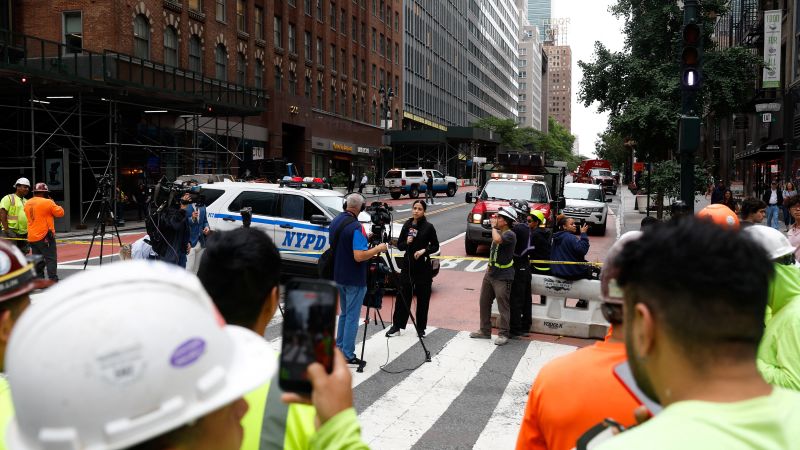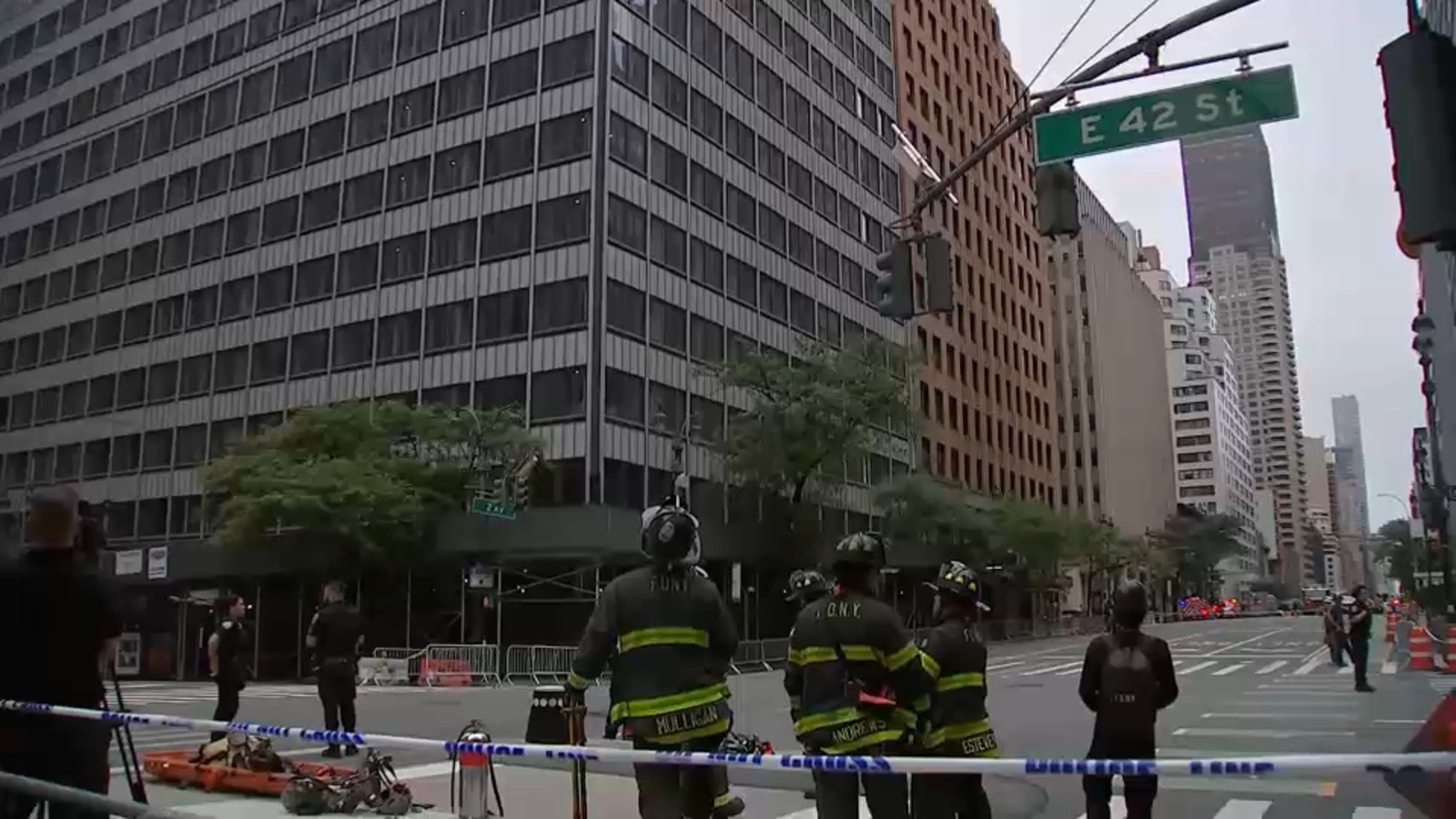
The structural instability at 235 East 42nd Street—the former Pfizer headquarters—serves as a critical case study in the operational risks of large-scale adaptive reuse. The buckling of support columns on the 21st and 22nd floors indicates a failure in vertical load path management during a high-stakes programmatic transition from commercial to residential occupancy. This incident necessitates a technical audit of how legacy steel-frame structures accommodate the redistributed floor loads and core modifications required for high-density residential use.
Engineering Mechanics and Load Path Failure
Preliminary assessments suggest the 21st floor became the epicenter of a load-transfer failure. In high-rise engineering, this mid-section acts as a vital conduit for gravitational forces. The observed sagging and cracking signify that the material thresholds of the existing superstructure were exceeded, likely due to invasive renovations affecting the building’s equilibrium. When columns buckle at this elevation, the remaining 17 stories exert disproportionate pressure, raising the specter of progressive collapse—a scenario where localized failure triggers a catastrophic downward cascade.
The external shedding of debris, including masonry units, confirms that internal structural stress has compromised the building’s envelope. This poses an acute risk to the high-traffic intersection of Second Avenue and 42nd Street. The resulting exclusion zone disrupts Midtown’s logistical network, illustrating how localized engineering deficits translate into broad urban dysfunction.
Institutional Oversight and Municipal Response
The mobilization of Department of Buildings (DOB) forensic engineers and FDNY emergency units reflects the systemic gravity of the breach. Municipal intervention focused on site stabilization and the evacuation of surrounding high-occupancy targets, including a local school and hotel. These safety protocols are calibrated for Manhattan’s density, where the potential collapse radius of a 38-story asset necessitates wide-scale displacement to mitigate mass casualty risks.
While all site personnel were accounted for, the failure exposes a breakdown in the project’s structural monitoring phase. The subsequent stop-work orders and forensic investigations will likely lead to more stringent permitting requirements for the ‘office-to-residential’ pipeline. Developers must now anticipate a more rigorous regulatory environment, characterized by mandatory real-time structural health monitoring and enhanced shoring protocols for aging skyscrapers.
Economic Fallout and Market Repercussions
For the real estate sector, this event recalibrates the cost-benefit analysis of adaptive reuse. While converting vacant office stock is a strategic priority for New York City, the capital intensity of remediating structural failures can jeopardize project solvency. Stakeholders face immediate financial headwinds: prolonged debt service without construction progress, escalating insurance premiums, and potential liability from neighboring commercial entities affected by the street closures.
Furthermore, the ‘stigma of failure’ may impact the long-term marketability of the asset. Restoring tenant confidence in a building that has suffered visible buckling requires transparent engineering remediation. This incident underscores that the path to urban revitalisation through conversion is fraught with technical hurdles that demand a higher standard of structural scrutiny than conventional new-build projects.