Awer Mabil’s World Cup 2026: A Socio-Strategic Analysis Beyond Competition
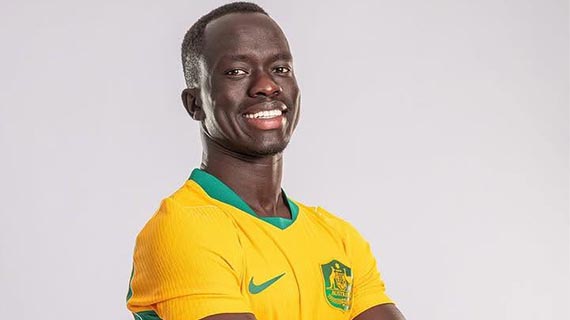
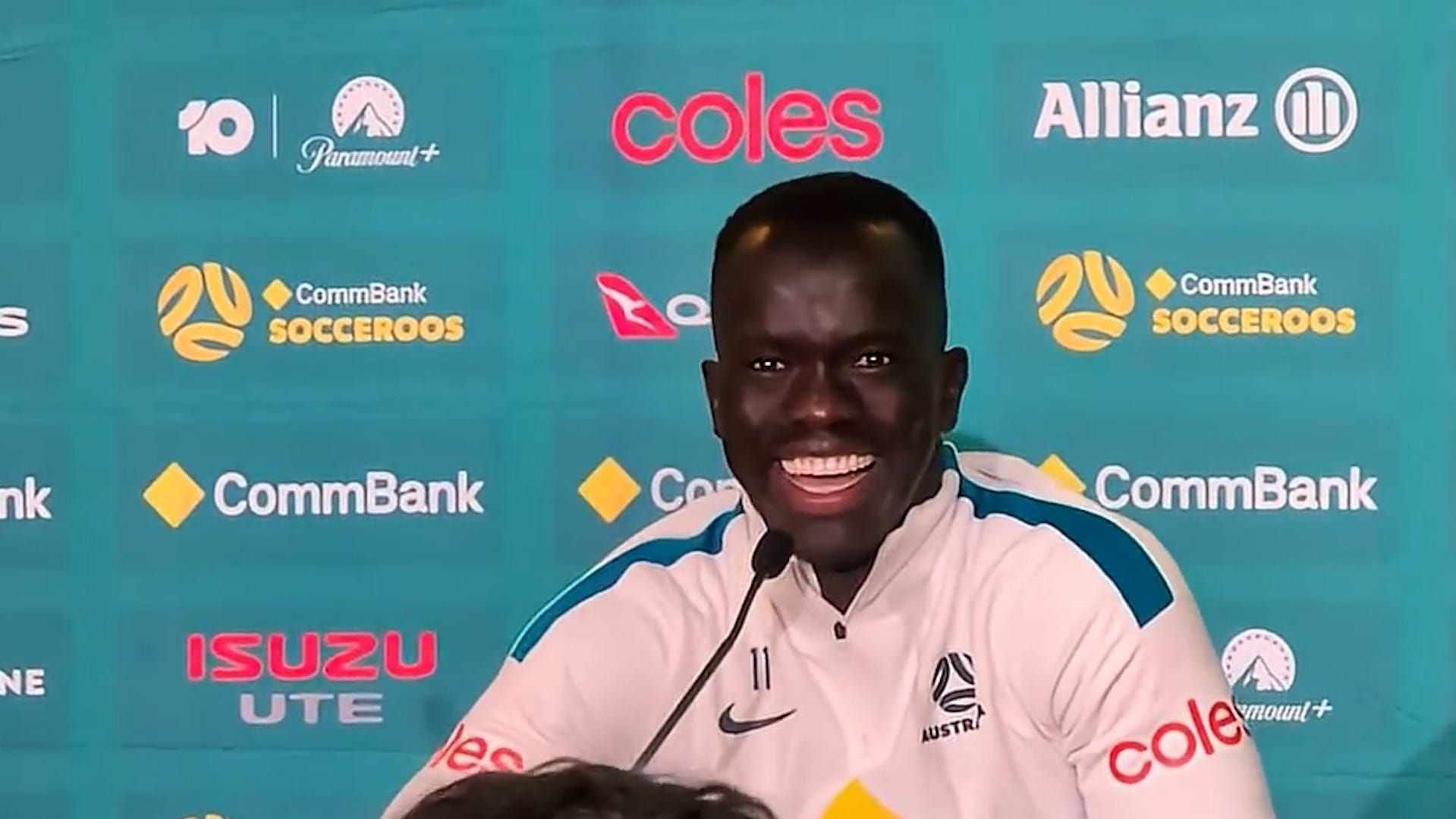
Awer Mabil’s representation of Australia at the 2026 FIFA World Cup transcended mere athletic competition, even as the Socceroos’ campaign concluded after a penalty shootout loss to Egypt. His successful conversion of a penalty in the hard-fought 1-1 draw underscored his individual contribution, yet it was the profound symbolism of his journey that truly resonated, imbuing the tournament with deeper socio-cultural significance for global football. Mabil’s presence served as a potent narrative, affirming sport’s capacity to elevate individual stories into universal beacons of hope and resilience.
From Kakuma Refugee Camp: The Genesis of Resilience and Global Identity
Born in Kenya’s Kakuma Refugee Camp to South Sudanese parents fleeing civil war, Mabil’s formative years were defined by hardship, transforming football from a simple pastime into a vital coping mechanism and a profound source of aspiration. This challenging environment, devoid of formal academies or structured pitches, paradoxically fostered an intrinsic connection to the game. It was here, amidst daily struggles, that raw talent and an unwavering spirit began to manifest, demonstrating football’s organic power as a community builder and an escape that transcended the camp’s immediate limitations.
Now aged 30, Mabil’s trajectory from one of Africa’s largest refugee settlements to the global stage as a Socceroos player exemplifies football’s unique role in identity formation and social integration. His story is a living testament to the sport’s capacity to not only provide a professional pathway but to instill a renewed sense of purpose and belonging, projecting a powerful counter-narrative to prevailing stereotypes about displaced populations.
Strategic Imperatives: Governance, Talent Identification, and Brand Engagement
The prominence of narratives like Mabil’s carries significant strategic weight for international football organizations like FIFA and continental confederations. By amplifying such powerful human-interest stories, these bodies reinforce their commitment to social responsibility and global development, aligning football with broader humanitarian objectives. This strategically positions the sport as a unifying force, capable of addressing complex societal challenges and fostering empathy on a global scale.
Mabil’s success challenges traditional scouting paradigms, highlighting the imperative for re-evaluating investment in grassroots development within underserved communities and non-traditional footballing regions. His journey proves that exceptional talent can emerge from unexpected places, necessitating innovative operational strategies such as mobile scouting programs, strategic partnerships with humanitarian organizations, and support for informal, community-led football initiatives. This shifts the focus towards a more inclusive, less centralized model of player identification and development.
From a brand perspective, Mabil’s narrative offers invaluable leverage for national federations and commercial partners. Its deep emotional resonance with diverse audiences extends beyond typical match-day allegiances, enhancing the sport’s appeal and attracting new demographics. Media outlets like SBS Sportau and the Detroit Free Press, by highlighting Mabil’s background, strategically emphasize the human spirit and cultural exchange inherent in major sporting events, enriching the World Cup experience for all stakeholders and fostering stronger fan loyalty.
Operational Challenges and Enhanced Player Welfare
Mabil’s journey underscores critical operational gaps in global talent development, particularly the oversight of regions lacking conventional football infrastructure. His breakthrough necessitates a re-evaluation of how football organizations identify, nurture, and support prospects from unconventional backgrounds, moving beyond traditional scouting networks that often miss hidden potential.
This operational shift demands comprehensive player welfare systems that extend beyond athletic development to encompass social integration and psychological well-being. The success of athletes like Mabil should serve as a blueprint for developing more inclusive support frameworks, providing early talent identification, adequate resources, and sustained mentorship. Such institutional commitments are vital to ensure that socio-economic or geographical barriers do not constrain the full potential of aspiring athletes from similar backgrounds, promoting a more equitable global football ecosystem.
Sustaining Impact: Financial Ecosystem, Cultural Advocacy, and Enduring Legacy
While Mabil’s story is primarily one of human triumph, its emotional capital significantly strengthens football’s broader financial ecosystem. The increased media engagement, enhanced sponsorship appeal, and positive public goodwill generated by such narratives offer a substantial social return on investment. Corporations increasingly align with socially impactful athletes and organizations, viewing such associations as crucial components of their Corporate Social Responsibility strategies, thereby strengthening the sport’s long-term financial viability and public perception.
Culturally, Mabil’s visibility on the world stage actively challenges refugee stereotypes, providing a powerful platform for advocacy on integration and human rights. His narrative implicitly champions greater support for displaced populations, inspiring governmental bodies, NGOs, and philanthropic initiatives to invest in sport-for-development programs. This cultural impact, amplified by deliberate media framing using terms like ‘KIND ALERT’ and ‘#Sportskind’, enriches public discourse, positioning football as a powerful agent for positive global change.
Beyond the immediate 2026 World Cup, Awer Mabil’s story establishes an enduring legacy, reinforcing football as a universal language of hope. His continued inspiration ensures the human element remains central to professional football’s narrative, influencing future generations from marginalized communities and underscoring the sport’s profound societal relevance.
Conclusion: Football’s Unifying Social Mandate
Awer Mabil’s trajectory epitomizes football’s inherent global nature and its profound social mandate. As a unifying force that transcends national borders, political divides, and socio-economic disparities, the sport carries a significant responsibility. Mabil’s journey from a Kenyan refugee camp to representing Australia on the world stage powerfully reminds governing bodies and stakeholders alike of football’s unique capacity to transform lives and serve as a symbol of collective hope and progress, solidifying its role as a cultural institution with a deep social purpose.